

Rough-In Stage Inspection: what to check before the walls are lined
Before you go (S1). Mark up the plans with every point you expect to see.
Each trade (S2 to S9). Walk room by room. Skip sections you don't have. Tick Fine, Later (not yet) or Issue.
Before linings (S10). Photos of every wall and ceiling, and your list in writing. S11 lists what your builder should be doing: ask to see the records.
The 11 sections
- S1Before you goLatest services plans, spec inclusions highlighted, walk timed before linings, electrician walk-through, fixture set-out sheets7
- S2Holes, noggings and the frameHoles centred and under 25 mm, hole spacing, plates kept whole, no cut structure, nail plates, noggings, grab rail backing8
- S3ElectricalMeter box, switch and power point positions, lights and fans, smoke alarm cables, cables clear of insulation, RCDs12
- S4Exhaust fansFan in every wet area and a rangehood sized for the room, ducted to outside, short sealed ducts, run-on timer4
- S5Data, security and audioData points back to the comms location, power there, security and intercom cables, speaker cables, spare conduit, photos5
- S6PlumbingPlumbing inspection passed, pressure test, mixer heights and depths, tap and WC positions, pipes clipped, vent flashings12
- S7GasGas meter ordered, pipe to every appliance, pipe type and supports, buried depth and marker tape, pressure test, certificate5
- S8SolarPanel positions and framing, flashed penetrations, roof damage along the route, cable run to the inverter, handover pack5
- S9Air conditioning and ductsLayout to design, indoor unit support, sealed duct joints, duct R-value, supported full-length ducts, condensate drains9
- S10Before the linings go onAll rough-in done, wrap and sarking repaired, foil clear of cables, blocking, spare conduits, room-by-room photos, your list7
- S11What your builder should be doingSediment control, signs and toilet, services undamaged, site drainage, rough-in inspections passed, variations signed10
Why Inspect at Rough-In?
The C10 Rough In Stage Inspection Checklist helps homeowners, builders and site supervisors find and fix problems before the external cladding and internal linings go on. Once the walls and ceilings are closed, every fix costs more and takes longer.
Think of it as your last chance to catch mistakes before they’re hidden behind gyprock.
The time to inspect is once every rough-in is in (wall wrap, plumbing, electrical, gas, air conditioning, security and data cabling) but before plasterboard or cladding is fitted. Inspecting now means you:
✅ Catch errors early, when they're easier, faster and cheaper to fix.
✅ Avoid cutting into walls, patching and repainting later.
✅ Keep the job moving instead of stopping for rework.
✅ Confirm the work meets Australian Standards and manufacturer requirements.
You don't need to be an expert. The checklist gives you the confidence to ask the right questions.
What Is the Rough-In Stage and Why Does It Matter?
The rough-in stage is when the plumbing (water and gas), electrical, pliable membranes (wall wrap and roof sarking), solar and air conditioning are run through the walls, floors and ceilings before they're covered with insulation, plasterboard or cladding. Get it wrong here and you're looking at leaks, electrical faults or poor airflow, and pulling the house apart to fix them.
Many homeowners assume their builder has everything covered. A good builder will aim to, but mistakes happen, especially with several trades on site at once. That's why you check before the next stage starts.
C10 - Rough In Stage Inspection Checklist
$59.00 AUD
Last updated 28 Oct 2026 · Revision 3 · Free updates for life
Checklist Type: Minor
Form Factor: Fillable, print-ready PDF (A4, 27 pages)
When to use: Rough-in stage: after services are installed, before cladding and linings go on
An 84-point rough-in checklist. Check plumbing, electrical, gas, solar, air conditioning and data after every trade has finished, before the insulation and linings hide them.
✓ Authorship verified on the blockchain · View certificate
How to Use the Checklist
The checklist is split into sections, one for each area of work. Here's how to use it:
1️⃣ Start at Section 1 (Site Management) and work through the checklist in order.
2️⃣ For each checklist item, verify that the work has been completed correctly.
3️⃣ Take photos of any defects or incomplete work and note reference numbers where applicable.
4️⃣ If an issue is identified, mark the checklist with an ‘X’ and follow up with the responsible contractor.
5️⃣ If an item cannot be assessed due to site conditions (e.g., weather or incomplete work), mark it with an arrow (→) for review at a later date.
6️⃣ If an item is confirmed as correct, tick and mark it as ‘OK.’
Record every defect properly. Site notes get lost, blown away or ignored, so contact the supplier or contractor directly and keep your own record of each issue.
Key Features of the Checklist
- CINS Numbering System: To keep records aligned between physical and digital documents, each identified issue should be assigned a CINS number where applicable.
- Image References: It is recommended to take photos of issues and reference them against checklist items for better documentation.
- Follow-Up Action Items: The checklist includes space to mark whether an issue requires further action, allowing for efficient tracking and resolution before proceeding with internal cladding or fit-out.
 Anthony Painter

What the Checklist Covers
Here are the main sections of the checklist and a sample of what each one checks.
1.1 Site Management Items
A well-run site prevents delays and damage during rough-in.
A sample of checklist items:
- Sediment Fencing (S1.01): Ensure sediment fencing is operational and effective in controlling erosion. Check for any required repairs and take photos of damage.
- Signage (S1.02): Verify that the builder’s sign and safety sign are upright, stable, and visible from the street.
- Neighbouring Properties (S1.04): Inspect for any damage to neighbouring properties, yards, street signs, or kerbs. If damage exists, document it with photos and discuss it with neighbours to plan a remedy.
- Drainage (S1.13): Confirm that surface and subsurface water are diverted away from the structure to prevent pooling under the house. Ensure the ground surface slopes away from the building (subsidence policy compliance item).
 Anthony Painter

 Anthony Painter

1.2 Variations & Colours
Review all variations and colour selections before you start. This is your chance to confirm that anything needed at frame stage is in place before the linings and cladding go on.
Checklist Highlights:
- Check for compliance: Make sure every variation in materials, finishes or locations shows up in the builder's current plans. Raise any discrepancies with the builder or office so all documents match the latest version.
- Visual confirmation: Check that finishes, colour schemes and upgrades on site match what's in your contract documents. Tick each item and write the date you checked it, so you won't be second-guessing yourself later and can always see where you're up to.
 Anthony Painter

1.3 Electrical Rough-In (Inside and Outside)
Electrical rough-in happens after framing and before insulation and plasterboard. The electrician installs the cabling, boxes and switchboard that everything else connects to later.
Key Tasks During Electrical Rough-In:
- Cables and conduits: Cables are run through the walls, ceilings and floors. Conduits (protective tubing) are used where cables are exposed or where the regulations require them.
- Electrical boxes: Boxes for power points, switches, lights and other devices are fixed to the framing.
- Cable runs: Cables go to every planned power point, switch, light, ceiling fan and appliance. Dedicated circuits are run for big loads like ovens, air conditioners and hot water systems.
- Meter box and switchboard: The switchboard, which houses the circuit breakers and safety switches, and the meter box that connects to the street supply are installed.
- Data and communications: Cabling for internet, TV and phone is run where required, including coaxial, Ethernet or empty conduits for later.
- Safety switches (RCDs): Residual current devices are installed to protect circuits, as required by Australian electrical safety standards.
- Compliance: All work must comply with the Wiring Rules (AS/NZS 3000) and local regulations. An inspection may be needed before work continues.
- Future needs: Now is the cheap time to add extra conduits or cables for solar, an EV charger or smart home systems.
A sample of checklist items:
- External Connections (S4): Inspect for proper installation of conduits for external services such as power, networking, or security systems.
- Meterbox installation (S4): Check the meterbox is installed plumb and square in to the wall frame, test the RCD and check circuits have been labelled.
- Internal Wiring (S5): Verify the placement of light switches, power outlets, and circuits. Check for proper labelling and secured wiring.
- Wiring Installation (S5): check holes drilled through timber building elements do not exceed 1/3 timber width or do not impact the structural capacity of the member. If yes, repairs are required.
- Network & Security (S6): Confirm the placement and connections of network and audio systems, ensuring everything aligns with the intended layout.
 Anthony Painter

1.4 Plumbing Rough-Ins
Plumbing rough-in is when the water supply, drainage and vent pipes are installed before the walls, ceilings and floors are closed up.
Key Tasks During Plumbing Rough-In:
- Water supply lines: Hot and cold water pipes are run to the bathrooms, kitchen, laundry and outdoor taps, usually in copper, PEX (cross-linked polyethylene) or another approved material.
- Drainage and waste pipes: Drainage pipes carry wastewater from sinks, showers, toilets and other fixtures. Vent pipes (typically 50mm, connected to a 100/50 reducer and often inside an internal wall) let air into the drainage system and keep sewer gas out of the house.
- Fixture positions: Positions for toilets, basins, showers and baths are set out, and stub-outs (exposed pipe ends) are left where fixtures will connect later.
- Gas lines (if applicable): Gas pipes are run for cooktops, hot water systems or heaters if the home uses natural gas or LPG.
- Hot water system: Pipes are run to and from the hot water system (electric, heat pump, gas or solar).
- Compliance: All plumbing must comply with the Plumbing and Drainage Standard (AS/NZS 3500) and local council requirements. Water lines should be pressure tested and the council plumbing inspection passed before the walls are lined.
A sample of checklist items:
- Hot/Cold Water Reticulation (S7): Ensure water lines are installed correctly and tested for leaks (council plumbing inspection has passed - green sticker). Make sure if lines are run across external walls they are not located where eaves framework will be fixed to the external walls (this doesn't work obviously, but does happen from time to time).
- Vent Pipe (S7): Confirm the vent pipe has been properly flashed to the roof so it doesn't leak during construction.
- Piping Locations (S7): Check all pipes line up with the planned locations for basins, toilets and showers. Make sure WC wastes are centred across the room in small rooms, or within tolerance (60mm).
- Fitting setbacks and alignment (S7): Check all mixer tap bodies are set back to the manufacturer's requirements, plumb and securely fixed to the framing.
1.5 Gas Plumbing Rough-Ins
This section checks that the gas installation is safe and compliant.
Key Tasks During Gas Rough-In:
- Gas pipes: A licensed gas fitter runs pipes for natural gas or LPG to cooktops, ovens, hot water systems and heaters, typically in copper or polyethylene.
- Routing through framing: Gas pipes run through studs, joists or ceiling spaces. Timber frames are drilled; steel frames often come pre-punched. Check drilled holes don't exceed one third of the framing member's width. Even if the wall isn't load bearing (a common argument from trades), oversized holes are non-compliant and need repair, such as a fish plate.
- Gas meter connection: Pipes connect to the gas meter, usually outside. If the meter isn't in yet (often the case), check the pipe tails end at the meter location shown on the plan. Book the meter install early, because gas contractors can take a while to schedule.
- Gas outlets: Stub-outs are installed at each planned appliance location and left accessible for connection at fit-off.
- Compliance: All gas work must comply with AS/NZS 5601 (Gas Installations) and local regulations, including correct sizing, sealing and pressure testing.
Checklist Highlights:
- Gas Line Integrity (S8): Inspect gas lines for proper installation and test for leaks to ensure safety before cladding is installed.
- Shut-Off Valves: Confirm that shut-off valves are in accessible locations as per the design.
- Gas Installation certificate (S8): Ensure you receive the gas installation certificate to certify the installation meets Australian Standards.
1.6 Pliable Membranes
This section checks the pliable membranes (wall wrap, roof sarking and anticon roof blanket) that keep water out of the frame.
A sample of checklist items:
- Wall Membranes (S10): Ensure wall wraps are installed with the correct overlaps and no gaps or tears.
- Roof Sarking (S11): Confirm roof sarking is intact, secured, and free of any damage.
- Penetration Sealing (S12): Check that all penetrations in pliable membranes are properly sealed around pipes, ducts, or vents to prevent air or moisture ingress.
1.7 Air Conditioning & Duct Work
The air conditioning rough-in is when the flexible ducts, return air boxes, insulated refrigerant pipework, power cables and sensor wires are installed before the ceilings and walls are closed up.
Key Tasks During HVAC Rough-In:
- Ductwork: Supply ducts deliver conditioned air and return ducts bring it back to the unit. Correct sizing and routing matter for airflow and running costs.
- Vents and registers: Insulated outlet boxes are positioned in ceilings, walls or bulkheads according to the air conditioning layout or your plans. On highset homes, framed service ducts are needed to hide ductwork running between floors, so check they've been allowed for.
- Equipment: The indoor fan coil unit usually goes in the roof space, and the outdoor unit is set on a pad or bracket.
- Refrigerant lines and power: Refrigerant pipes connect the indoor and outdoor units, and power is run from the switchboard.
- Exhaust fans: Exhaust ducting is run from bathrooms, the kitchen and laundry to remove moist, stale air.
- Compliance: Flexible ductwork must comply with AS 4254.1, and electrical work with AS/NZS 3000. Ducts should be properly sealed and supported.
Checklist Highlights:
- Ducting (S13): Confirm that all ducts are installed in the correct locations and supported properly.
- Ducting (S13): Check flexible ductwork is labelled with manufacturer details in repeating 1000mm intervals in at least 10mm high font.
- Condensate lines (S13): Check condensate lines are directed at least 50mm into a PVC downpipe.
- Duct supports (S13): The saddle or hanger material in contact with the flexible duct must be at least 25mm wide.
Common Issues to Watch For
Some problems turn up far more often than others. Left alone, they mean costly rework, delays or safety hazards.
2.1 Electrical Rough-In Issues
Electrical installations must be checked carefully at this stage. Incorrectly placed outlets, missing conduits, or unsecured wiring can cause major issues later.
What to Check:
✅ Are all electrical boxes secured to studs properly? Loose boxes can move once walls are installed.
✅ Are all circuits labelled? Mislabelling can cause confusion during installation and future maintenance.
✅ Are light switches and power points installed at the correct height? Compare with architectural plans.
✅ Are there any exposed or unprotected cables? All wiring should be secured and protected, especially in wet areas.
✅ Have conduits for external power, security, and networking been installed correctly?
2.2 Plumbing Rough-In Issues
Plumbing rough-ins must match the plans and the manufacturer's installation details. Badly positioned pipes can clash with other trades or stop tapware backplates sitting flush at fit-off. Some tapware has almost no tolerance for error, so the setbacks need careful measuring.
What to Check:
✅ Are all pipe runs secured and protected? Pipes should be properly braced and positioned.
✅ Have hot and cold water lines been pressure-tested? This helps detect any potential leaks before the walls are closed up.
✅ Are drainage pipes positioned at the correct fall for proper water flow?
✅ Have all fixture locations been confirmed? A misaligned pipe could mean your vanity, sink, or toilet doesn’t fit.
✅ Is insulation installed where required? Insulation should be placed on pipes running through unconditioned spaces.
2.3 HVAC & Ventilation Rough-In Issues
If ducts and vents are not properly installed, airflow problems can occur, leading to poor heating or cooling efficiency.
Some Of What to Check:
✅ Are all ducting and vents installed at the correct locations? Compare against the mechanical plans.
✅ Are ducts properly sealed and supported? Loose or improperly sealed ducts (correct duct tape, number of turns and tape overlap) will reduce energy efficiency.
✅ Has insulation been applied to ducts in required areas? This prevents heat loss and condensation issues.
✅ Are exhaust fans and ventilation outlets in place? Kitchen and bathroom exhausts must be correctly vented outside, not into roof cavities.
2.4 Gas Plumbing Rough-In Issues
Gas lines need to be installed and tested properly to ensure safety and avoid costly rework.
What to Check:
✅ Are gas lines installed in compliance with Australian gas standards?
✅ Are shut-off valves installed in the correct locations?
✅ Has a gas pressure test been completed? A test should be performed before cladding is installed.
✅ Is the gas meter location confirmed and accessible? Ensure placement matches approved plans.
2.5 Pliable Membranes & Weatherproofing Issues
The checklist covers the pliable membranes (wall wrap and roof sarking) and insulation in both walls and roof. Together they keep moisture out and the heat where it belongs.
What to Check:
✅ Has pliable membrane been correctly installed with the required overlaps? Gaps can lead to water ingress.
✅ Are wall wrap penetrations sealed properly around pipes and ducts? Ensure all openings are sealed to prevent water or air leakage.
✅ Are roof sarking and wall wraps intact and secured? Tears or missing sections can lead to moisture damage.
✅ Is the insulation placement correct? Some areas require specific R-values—check compliance with energy reports.
 Anthony Painter

2.6 Site Management Issues Affecting Rough-Ins
Before rough-ins are completed, site conditions must be safe and organised. A poorly managed site can lead to damaged materials, misplaced fittings, or incorrect installations.
What to Check:
✅ Is site drainage working? Water pooling under or around the house points to poor grading. The ground should fall at least 50mm over the first metre away from the house (25mm for paved surfaces in low rainfall areas).
✅ Are all service entry points accessible? Power, water, gas and drainage connections shouldn't be blocked.
✅ Is the site free of debris that could damage rough-in work?
✅ Are materials protected from the weather? Pipes and ducts left out in the rain and sun can warp or get damaged.
How to Run the Inspection
Here's how to prepare, record what you find, and follow it up.
3.1 Preparing for the Inspection
Before starting your inspection, ensure you have:
✅ A printed copy of the C10 Rough In Stage Inspection Checklist.
✅ A pen, highlighter, and a camera or phone to document issues.
✅ The latest set of approved construction plans for reference.
✅ Access to the site before any cladding or linings are installed.
✅ Protective gear if required (hard hat, high-vis vest, safety boots).
3.5 Following Up on Issues Identified
Once the inspection is complete, any issues must be addressed before the next stage of construction.
What to Do If Issues Are Found:
1️⃣ Document the issue with photos and checklist references (CINS).
2️⃣ Contact the responsible contractor immediately to discuss rectifications.
3️⃣ Ensure corrections are made before internal linings go up.
4️⃣ Verify the issue has been resolved and update the checklist accordingly.
5️⃣ Sign off only when all defects have been addressed.
FAQs
Do I need a professional, or can I do it myself?
The checklist is written for both. Your builder or supervisor should do their own review, but you can use it to double-check key items and record concerns. If you're not confident with construction standards, a third-party inspector is money well spent.
Who is responsible for fixing rough-in issues?
The builder and their subcontractors fix rough-in defects. Your job is to record issues clearly, make sure they're fixed before the next stage, and check the fix before you sign off.
What if my builder refuses to fix an issue?
1️⃣ Record the defect with photos and checklist references.
2️⃣ Ask for a written explanation of why they won't fix it.
3️⃣ Check the issue against the relevant Australian Standard or manufacturer's instructions.
4️⃣ If it's still not resolved, escalate it. In Queensland that's the QBCC.
How long does a rough-in inspection take?
Don't rush it. Allow roughly:
⏳ 2 to 3 hours for a small home
⏳ 4 to 6 hours for a larger or more complex build
Walk every room and work through each checklist item before the next stage starts.
Further Reading
 A Day in the Life of Bob the Builder: Nonstop WorkExplore a day in the life of Bob the Builder, highlighting the constant challenges and dedication required in the construction industry
 Understanding Variations in Residential ConstructionVariations in residential construction often lead to disputes due to “grey variations”—terms understood by builders but unclear to clients. Common examples include edge protection and rock removal. Builders should transparently incorporate foreseeable costs into contracts.
 Wall Wrap Installation: Adhering to Australian StandardsLearn the right way to install wall wrap according to Australian Standards. This guide explains the proper sequence for installing windows, doors, and wall wrap, highlighting the importance of correct installation for maintaining the building envelope and enhancing your home’s energy efficiency.
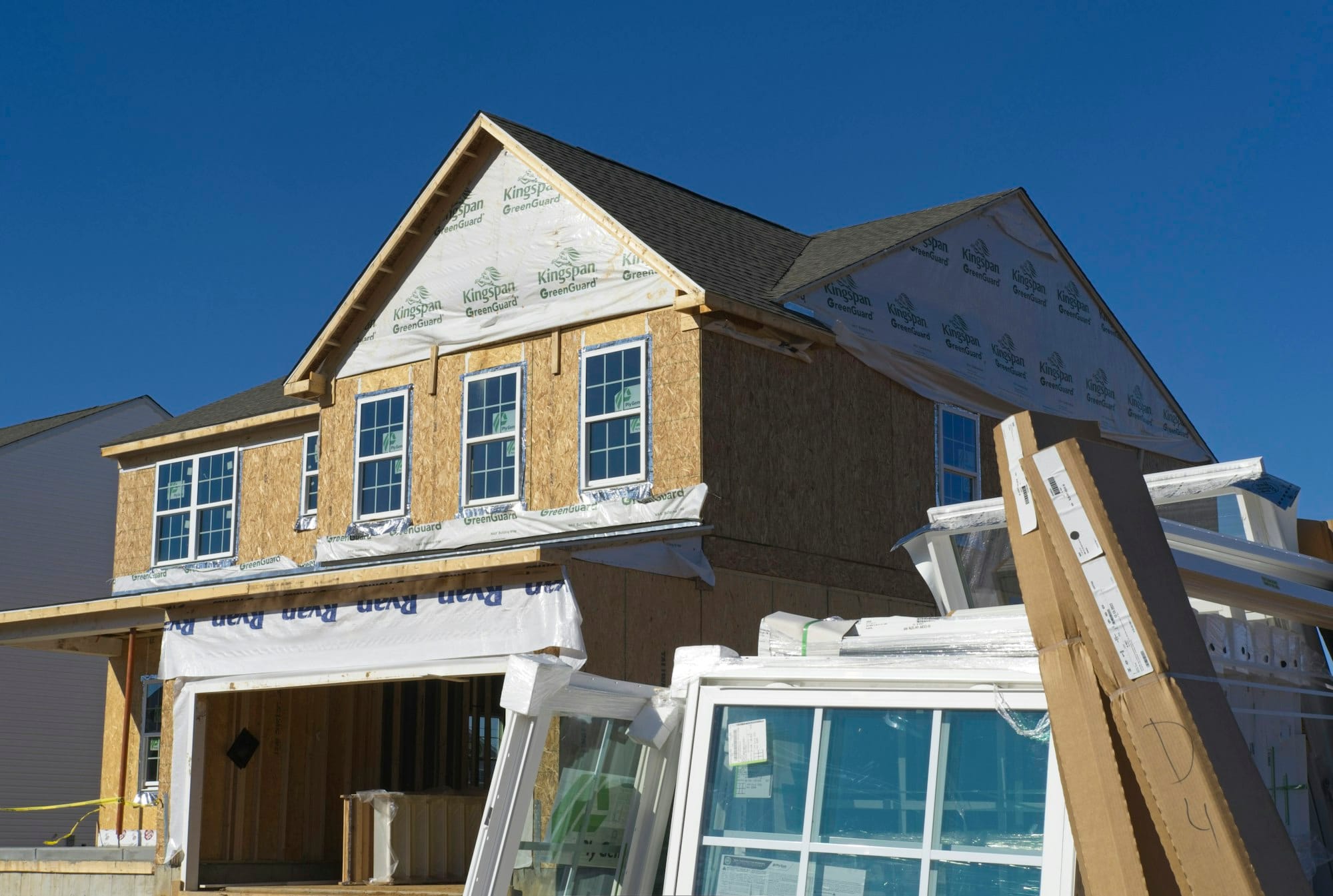 Pro Clima vs Wall Wrap: Airtightness & Moisture ControlNote: this is not sponsored content. We like the Pro Clima system so we wanted to explain to you some of the differences between “reflective wrap” often specified by builders and a proper moisture management system such as the Pro Clima system.
 Construction Supervision & Quality Control GuideDive into the world of construction supervision and quality control. Explore their significance, responsibilities, best practices, and impact on project success.


