

Timber Decks in Tough Climates: Framing, Fixings, Finishes & Maintenance
A good deck can do a lot of heavy lifting on a job. It turns dead yard space into a usable outdoor space for BBQs, family gatherings, boots, tools and general outdoor use.
Done well, a wooden deck, traditional wood decks, composite decking or even aluminum decking can feel like an extension of your living space and add real property value.
But all of that only happens if the deck can actually survive mother nature.
In tough climates—high UV, heavy rain, coastal air, harsh winters, cold weather and freeze–thaw cycles—decks cop a hiding. Sun, water, movement, foot traffic and time all work together to shorten the deck’s life if the framing, fixings, finishes and proper maintenance aren’t up to scratch.
1. When a Timber Deck Makes Sense in Shitty Climates
A deck isn’t automatically the right answer just because the owner wants “something nice out the back.”
In harsh or exposed sites, it gets technical
A well-designed deck is a popular choice when you’re dealing with:
- Sloping or uneven ground where a slab or paving will be painful or expensive
- A need for a defined outdoor space to take outdoor furniture, BBQs and people
- Clients who want a warmer natural look and natural beauty instead of bare concrete
In those situations, wood decking, composite decks or modern systems like aluminum decking can be the most durable and practical way to create a level platform quickly.
The climate, however, has a big say:
- High rainfall and humidity increase the risk of water damage and details that trap moisture.
- Coastal sites bring salt, which attacks fixings and stains timber.
- Strong UV rays dry out natural oils, open every small crack and fade surfaces.
- Harsh winters, winter weather, freezing temperatures and freeze–thaw cycles can damage board edges, coatings and joints.
- Storms and extreme weather conditions keep testing the integrity of your deck.
That doesn’t mean “no decks”; it means climate must drive the design and material options:
- Natural wood decking gives a classic look and is familiar to most deck builders, but it depends on regular maintenance and regular cleaning.
- Composite decking and other composite materials often handle harsh conditions and heavy foot traffic with less re-coating, provided the substructure and proper drainage are done right.
- Aluminum decking and other modern systems can be among the most durable options on very exposed sites, though they don’t suit every budget or aesthetic.
Whatever you choose:
Without consistent maintenance, even the best deck will drift towards structural issues, structural damage and expensive repairs.

2. Framing for Tough Conditions
Once you’ve decided a deck is the right call, the frame is where success or failure starts. If the framing goes wrong, everything else follows.
Picking the right type of wood
The type of wood used for the structure matters a lot in harsh environments:
- Pressure-treated wood / pressure-treated timber is common for framing because the treatment helps protect the wood fibers from decay and insects. It still needs good detailing and a dry environment.
- Tropical hardwoods bring strength, higher natural durability and useful natural oils, but they’re heavier, harder on tools and need appropriate fixings.
- Fully exposed framing in untreated softwood is almost always asking for trouble in harsh conditions, especially where moisture, termites or freeze–thaw cycles are involved.
The frame sets the baseline for structural integrity. If it’s weak, wet or badly detailed, the deck will not enjoy a long deck’s life.
 Anthony Painter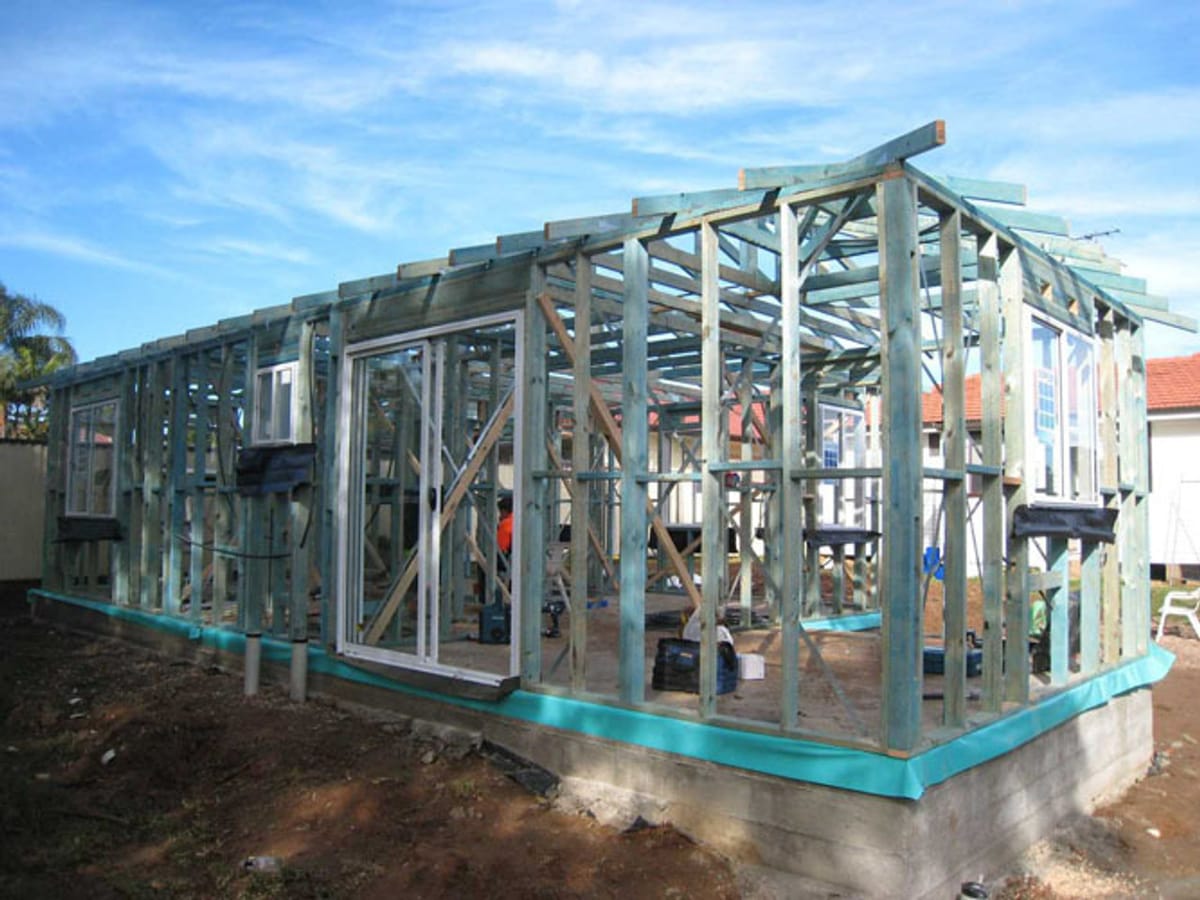
 Anthony Painter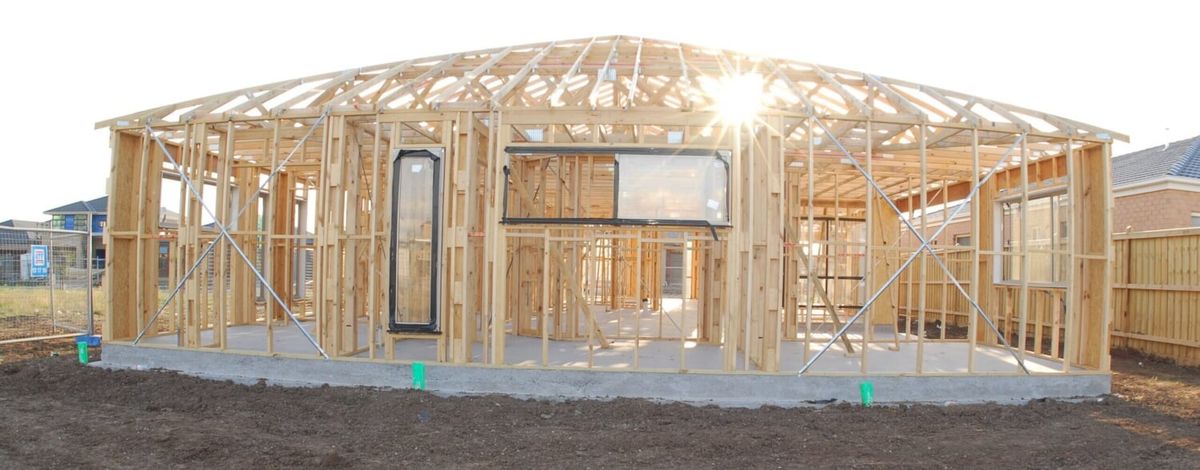
 Anthony Painter
Spans, support and movement
Framing design is about control, not brick shit houses. Posts must be properly founded so the deck doesn’t settle or lean. Bearers and joists should be sized for the span and the foot traffic the deck will see, and bracing needs to handle wind and extreme weather conditions.
Under-designed frames bounce and sag, stressing fixings and joints. Over time, that movement leads to small issues—gaps, squeaks, slight movement—that eventually turn into more serious structural issues.
Moisture, drainage and ventilation
Water is the main enemy. Once it gets in and stays there, you’re on borrowed time.
Good framing practice in tough climates includes:
- Keeping timber clear of soil so it doesn’t trap moisture
- Allowing enough space under the deck for air to move
- Providing proper drainage so water doesn’t sit under the structure
- Falling the deck surface slightly away from the building
Around the deck, drainage systems, garden beds and down pipes should be arranged so they’re not constantly dumping water under the frame. Leaves and pine needles packed into corners or against members keep timber wet, which leads to signs of rot and longer-term potential damage.
Connections and access
Every point where timber touches concrete, steel or more timber deserves close attention. Sitting bearers directly on concrete encourages constant damp; using brackets or packers instead helps members dry out. Tight, boxed-in areas that never see air or daylight are classic fubar points.
Frames that allow some access underneath make regular inspections, routine cleaning and future repair services or professional services much easier. A deck that can be seen and worked on is far more likely to stay in good condition with normal regular maintenance.

3. Fixings & Connectors in Harsh Environments
Even with good framing and quality boards, a deck can become unsafe if the fixings and connectors start to give up. Rusted screws, stained brackets, loose nails and loose boards are not just ugly—they’re a safety hazard.
Why fixings fail faster outside
Fixings on exposed decks deal with:
- Moisture and water damage
- Salt in coastal environments
- Heat and UV rays, which drive expansion and contraction
- Seasonal changes, including cold weather and freezing temperatures
Cheap or mismatched hardware corrodes, works loose and slowly undermines the structure. That’s when you start to see common issues: movement, noise, staining and eventually structural damage.
Choosing suitable hardware
Good deck builders treat fixings as part of the structure, not an afterthought.
In tough climates, that usually means:
- Stainless or hot-dip galvanised screws, bolts and brackets rated for outdoor use
- Hardware compatible with the boards: pre-drilled fixings for tropical hardwoods, proprietary clips and screws for composite decking and modern systems like aluminum decking
- Correct length and gauge so fasteners grip properly without damaging boards
Matching fixings to climate and board type is one of the easiest ways to protect the integrity of your deck and extend the deck’s life.
 Anthony Painter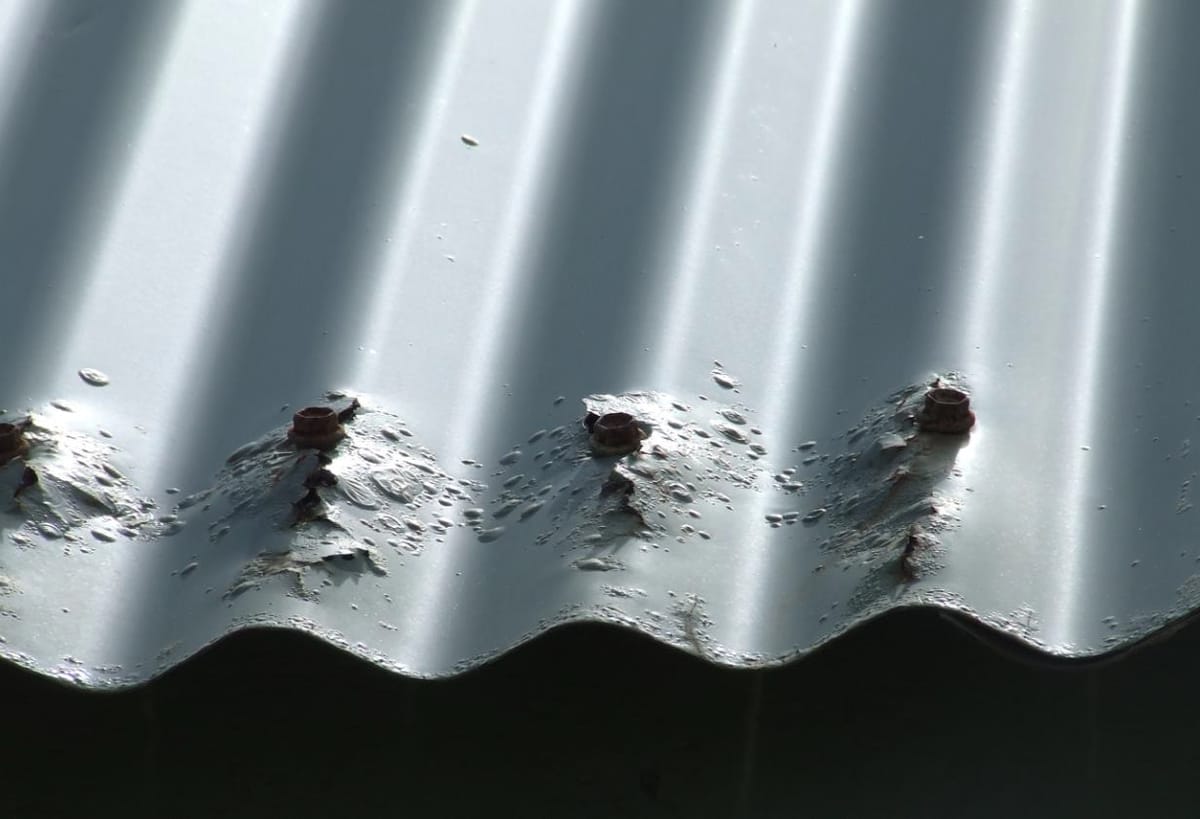
 Anthony Painter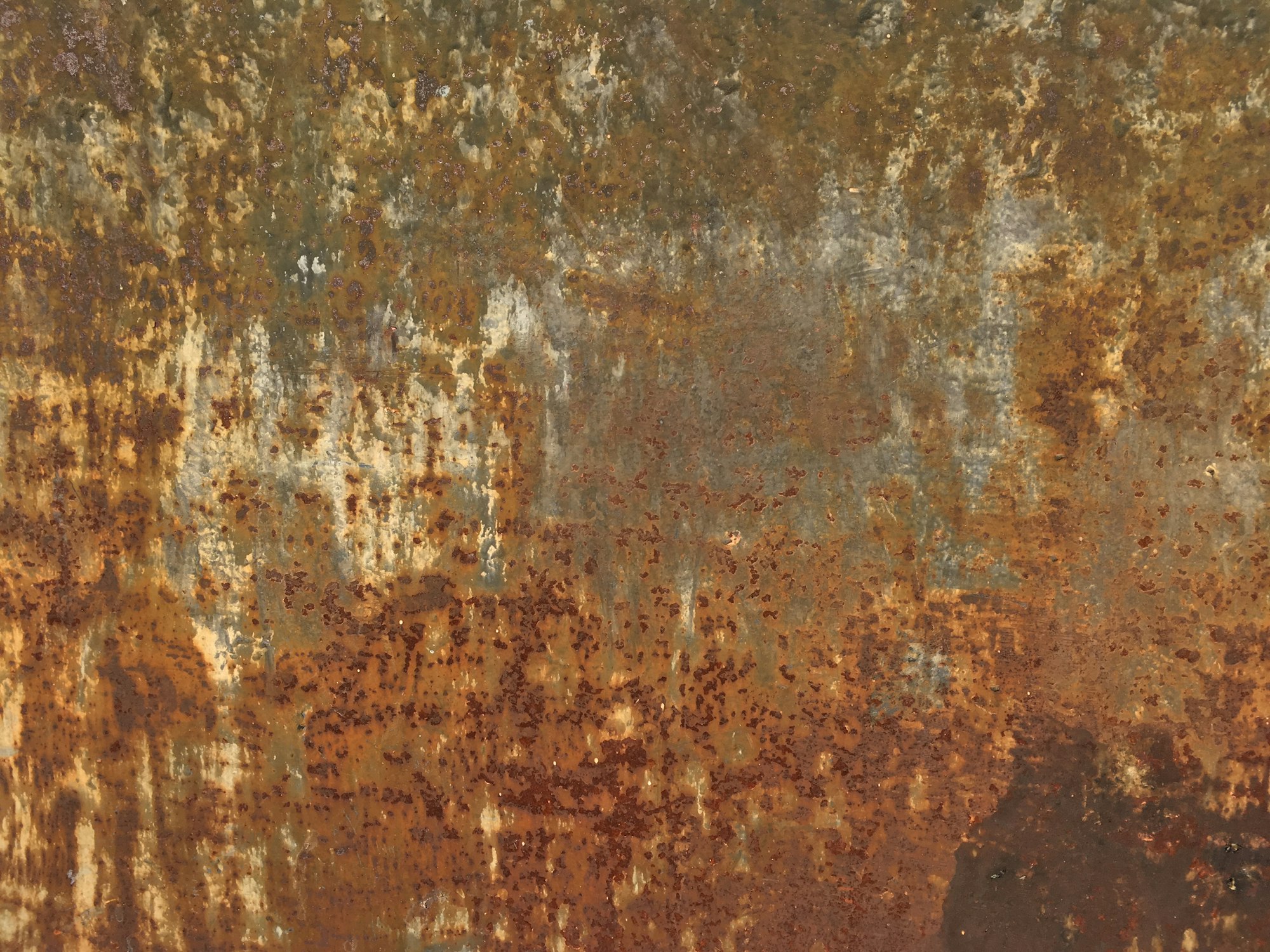
Installation and common problems
Even the best hardware can be let down by bad installation. Screws driven too close to edges and ends encourage splitting, which creates paths for water damage. Undersized fasteners can pull out under heavy foot traffic; oversized or over driven screws can chew up the boards and weaken the joint from day one.
Combine that with harsh conditions and you quickly see small issues: raised heads, stains around fixings, slight movement across the deck surface. Left alone, they grow into more serious structural issues and expensive repairs.
This is where regular inspections matter. Catching small connection problems early—while it’s only a few loose fixings or a localised stain—usually saves time and money. Designing connections so they stay visible and accessible makes life easier for repair services later and helps keep the deck in good condition.
4. Finishes, Coatings & Surface Performance
Finishes and protective coatings are the thin line between a deck that ages well and a deck that looks tired after a couple of seasons.
On wood decking and some composite decking, a good finish slows water damage, shields the boards from UV rays and foot traffic, and makes routine cleaning easier. Ignore this layer in tough climates and you shorten the deck’s life from day one.
Most decks end up with one of three systems:
- Penetrating oils soak into the timber, work with its natural oils and keep a more natural look, but they need more frequent regular maintenance.
- Stains add colour and some UV protection while still showing grain, and they suit high-visibility decks if you’re prepared to recoat when they fade.
- Film-forming coatings can look sharp at first, but in harsh conditions tend to peel and crack when they fail, making repairs hard work.
For many composite materials, manufacturers simply recommend basic cleaning and a compatible deck cleaner rather than extra coatings, so always check the data sheet before you start painting.
Climate should steer you. High sun and heat call for finishes with UV resistance and a realistic recoating schedule. Wet or humid sites benefit from breathable systems that don’t trap moisture. Where cold weather and freeze–thaw cycles are common, brittle films struggle as every small crack opens and closes.
Cleaning is where a lot of decks get wrecked. In most cases, sweeping off leaves and pine needles, then washing with a mild detergent, water and a scrub brush, does most of the job. A pressure washer can help with heavy grime, but used badly it tears at deck boards, raises grain and shortens coating life—especially on softer species and some composites.
Small habits matter. Leaving outdoor rugs down all year, letting waterproof covers sit flat on the deck surface, and allowing debris to build up in corners all trap moisture exactly where you don’t want it. That’s how mould, staining and rot begin, and how you move from simple upkeep to costly repairs and professional attention.
Finishes also affect safety. A glassy coating that turns into a skating rink whenever it rains is useless on a working deck. In tough climates, the best system is the one that balances appearance, grip, durability and the level of regular care the owner is actually willing to do.

5. Maintenance, Inspection & Repair
Once the deck is built, proper care is what keeps it honest. Essential deck maintenance tips aren’t complicated, but they do need to happen.
Routine cleaning and care
Routine maintenance starts with simple jobs done regularly:
- Sweeping dirt, leaves and pine needles so they don’t trap moisture
- Washing with a mild detergent, water and a scrub brush a few times a year
- Using a suitable deck cleaner on stubborn grime or mildew
In colder months, if you’re clearing snow or heavy debris, avoid a metal shovel that can gouge boards—especially on composites and coated systems. Sensible right tools go a long way to avoiding expensive repairs.
Moving outdoor furniture occasionally and lifting outdoor rugs stops permanent marks and helps the deck surface dry between wet periods. It’s simple regular care that makes a big difference.
Regular inspections
Regular inspections give you a chance to spot small issues before they grow.
On the surface, look for:
- Loose boards or loose nails
- Springy patches under foot traffic
- Stains, soft spots or other signs of rot
- Splits and larger small crack lines at board ends and around fixings
Underneath, if you can get access, check whether:
- Framing is staying dry or sitting in damp spots
- Drainage systems are working or dumping water under the deck
- Brackets, bolts and hangers are rusting, moving or showing fatigue
A quick visual check a few times a year, plus a more thorough look annually, usually keeps you ahead of serious structural issues and potential damage.
Fixing problems early
The difference between a quick fix and major structural damage is often just time. Re-fixing a handful of boards, swapping out some tired screws or improving a small drainage detail is cheap and simple. Leaving those jobs until boards are rotten and connections have failed is neither.
The same applies to finishes. Touching up worn high-traffic paths or re coating before a system fully fails is easier than stripping back a wrecked coating. That’s how you keep a well-maintained deck looking decent through another great year of heat, rain and routine outdoor use.
When damage is widespread—major movement, big rotten areas, heavily corroded fixings—it’s time for professional services or repair services. At that point, guessing your way through repairs risks both further damage and injury.
Conclusion
A deck in a tough climate is a small structure doing a big job. When it’s designed and built well, it turns awkward ground into a practical outdoor space that feels like an extension of your living space and adds property value. When design, construction or maintenance are ignored, it turns into a slow-burn safety hazard and a magnet for expensive repairs.
The difference usually comes down to a handful of decisions: sensible material options, framing that stays dry and doesn’t trap moisture, fixings that suit the climate and boards, finishes that protect the deck surface, and a realistic plan for regular cleaning, regular inspections and early repairs.
Frequently Asked Questions
1. Are timber decks a bad idea in harsh climates?
Not automatically. A deck can still be a great outdoor space in tough conditions if you choose sensible material options, design for proper drainage, use suitable fixings and commit to regular maintenance. Problems usually come from poor detailing and no follow-up care, not the climate alone.
2. Is composite decking better than wood decking in tough conditions?
It depends on the site and the owner. Wood decking gives a classic natural look and natural beauty, but needs more regular care and recoating. Composite decking and other composite materials often handle harsh conditions and heavy foot traffic with less finishing work, but still rely on good framing and drainage. Neither is always “best”—it’s about picking what suits the climate, budget and maintenance appetite.
3. How often should I clean my deck?
Most decks benefit from routine cleaning a few times a year. A sweep to clear leaves and pine needles, then a wash with a mild detergent, water and a scrub brush is usually enough. In dirtier or wetter environments, more frequent regular cleaning helps stop grime and debris from starting water damage or mould.
4. Can I just use a pressure washer for deck maintenance?
A pressure washer can help, but it’s easy to overdo it. If you get too close or use the wrong nozzle, you can tear at wood fibers, roughen deck boards and shorten the deck’s life, especially on softer timbers and some composite decks. Start with gentle cleaning and only use a washer carefully and sparingly.
5. What are the early warning signs I should watch for?
Key red flags are loose boards, loose nails, springy patches underfoot, staining around fixings, soft spots, and obvious signs of rot. Underneath, look for wet framing that never seems to dry, rusted brackets and poor drainage systems that trap moisture. These small issues are easier and cheaper to fix if you act early.
6. How often should a timber deck be recoated?
Recoating depends on product, exposure and use, but many oils and stains in full sun and wet weather need attention every 1–3 years. When colour has faded, the surface looks dry or patchy, or water stops beading, it’s time to clean down and recoat. Staying ahead of that point helps avoid expensive repairs later.
7. Do I really need regular inspections if the deck looks fine?
Yes. Regular inspections—even quick visual checks—are part of proper maintenance. A deck can look OK from above while connections or framing are starting to fail beneath. Catching movement, structural issues or potential damage early usually means simple fixes rather than major rebuilds.
8. Are aluminium and other modern systems worth the extra cost?
On very exposed sites or where low upkeep is a priority, modern systems like aluminum decking can make sense. They’re often among the most durable options and can cope well with extreme weather conditions, provided they’re installed correctly. They don’t suit every project, but they’re worth considering where harsh conditions are a big factor.
9. When should I call professional repair services?
Call professional services or repair services if you see widespread rot, serious movement, major rust on key fixings, sagging, or damage around posts and connections. Those are signs the structural integrity may be compromised. At that point, guessing your way through repairs isn’t safe.
Further Reading
 Anthony Painter
 Anthony Painter
 Anthony Painter
 Anthony Painter
 Anthony Painter
 Lissy Alvaran
Video instructions: A quick video walkthrough showing the exact same start/stop steps — featuring a leg and a bodybuilder-grade calf muscle for demonstration purposes (purely educational… definitely not the highlight of the production)


Member discussion