You've just spent a small fortune on a new metal roof. It should last decades, but there are thousands of small screws holding it down, and if the wrong ones go in, they can rust and stain the sheets long before the roof itself is worn out.
The good news is that picking the right screw isn't complicated once you know how the ratings work.
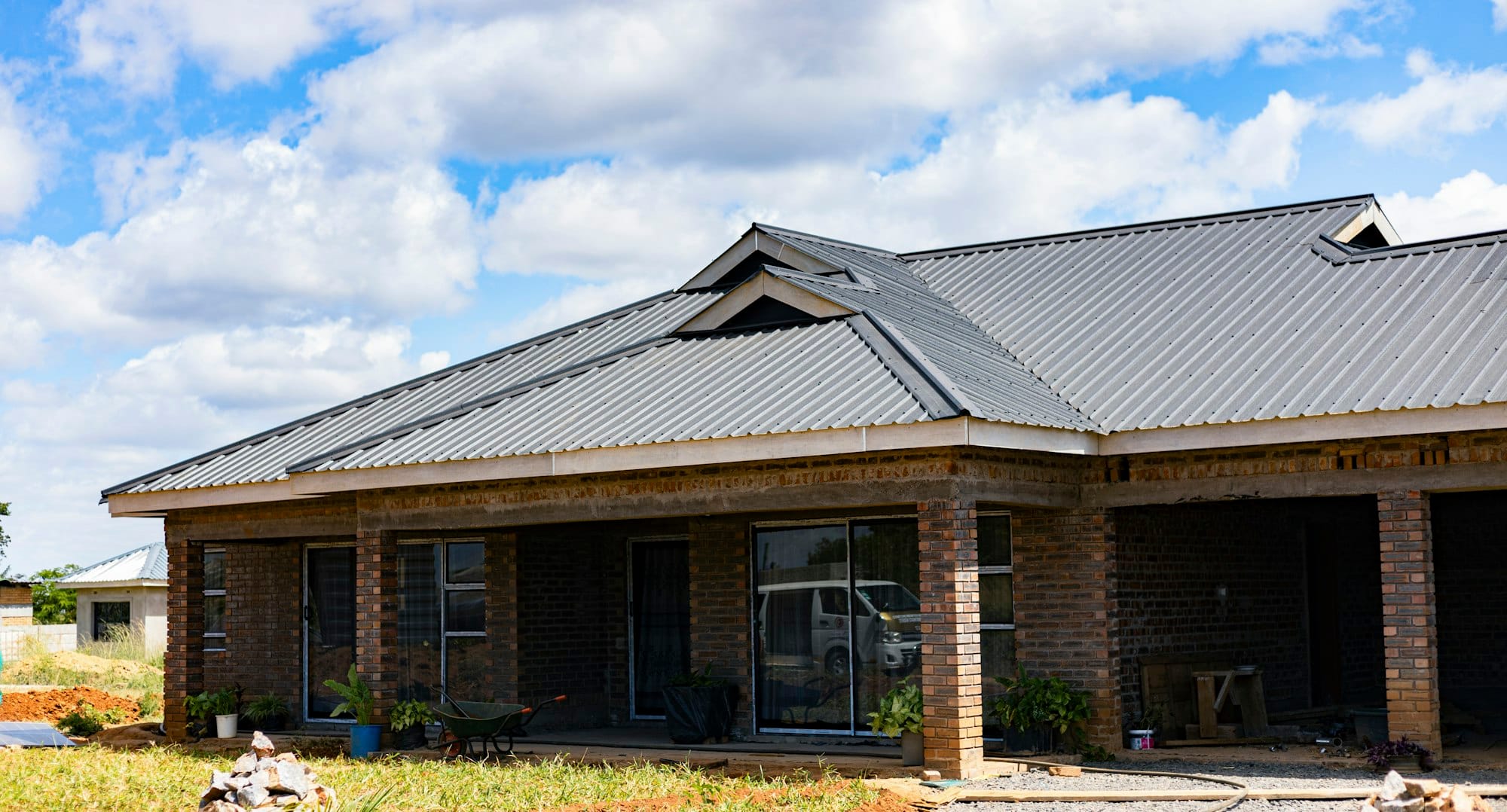
How roofing screw corrosion classes work
Self-drilling roofing screws in Australia are rated for corrosion resistance under AS 3566.2. The classes run from Class 1 to Class 4, and Class 4 is the highest.
- Class 1 and 2 are for internal or dry, sheltered work. They don't belong on a roof.
- Class 3 is the standard for most residential roofs in typical suburban and rural areas. It's what roofing manufacturers specify for ordinary conditions.
- Class 4 is for severe environments, such as homes close to breaking surf or near heavy industry.
You might see "C5" mentioned online. That's not a screw class. It's an atmospheric corrosivity category (from ISO 9223) describing how harsh a site is, and it's easy to confuse the two.
Match the screw to your site
The right class depends on where you're building, not on how much you're prepared to spend. Your roofing manufacturer (Lysaght, Stramit, Metroll and so on) publishes fastener recommendations based on how far the site is from the coast and other exposure conditions. The screw needs to suit the sheet's own coating too, so follow that advice rather than a general rule of thumb.
If you're within a few hundred metres of breaking surf, ask your builder which class they're using and check it against the manufacturer's guide for your exposure.
Be careful with stainless steel
Stainless sounds like the obvious upgrade for a coastal home, but it isn't always. Stainless fasteners in contact with ZINCALUME or some COLORBOND sheet can cause galvanic corrosion, where the sheet around the screw corrodes faster than it otherwise would.
Don't switch to stainless without checking the roofing manufacturer's compatibility advice. The wrong metal combination can damage the very sheet you're trying to protect.
What actually causes early screw rust
In my experience, most rusty roof screws aren't caused by the screw class at all. They come down to installation:
- Swarf left on the roof. The tiny metal filings from cutting and drilling rust within days and stain the sheet. Roofers should sweep or blow the roof clean at the end of each day.
- The wrong class for the site. A Class 3 screw on a beachfront roof will struggle.
- Dissimilar metals. Copper, lead or stainless in contact with zinc-aluminium coated sheet, or water draining from one onto the other.
- Over-tightened screws. Crushing the sealing washer lets water in around the shank and damages the coating on the screw head. The washer should be snug, not squashed flat.
- Damaged heads. A worn driver or a slipping screw gun can strip the coating off the head before it's even in.
What to check on your roof
When the roof goes on, or at your frame and roof inspection, check:
- The screw class matches the manufacturer's recommendation for your site.
- The screws are the correct type and length for the sheet profile and the battens.
- The washers are seated evenly, not crushed or tilted.
- The roof has been cleaned of swarf, offcuts and old screws.
- No dissimilar metals are touching the sheet or draining onto it.
My C8 Metal Roof checklist walks you through these checks and the rest of the roof installation, so you can raise problems while the roofer is still on site.
The bottom line
Use Class 3 screws for most homes and Class 4 for severe coastal or industrial sites, and always follow the roofing manufacturer's fastener advice. Then make sure the roof is installed and cleaned properly. A cheap screw put in well usually outlasts an expensive one put in badly.