

Landscaping isn't just about making the place look nice once the builder leaves. Done well, it shades your walls and windows, cuts your power and water bills, handles stormwater, and gives local wildlife somewhere to live. Done badly, it can crack your slab, invite termites and funnel water into your house. This guide covers the decisions that matter for a new home in Australia's climate, from tree placement and water use to bushfire safety and approvals.
Why Landscaping Matters for Australian Homes
Thermal Performance and Energy Savings
Strategic Shading and Cooling
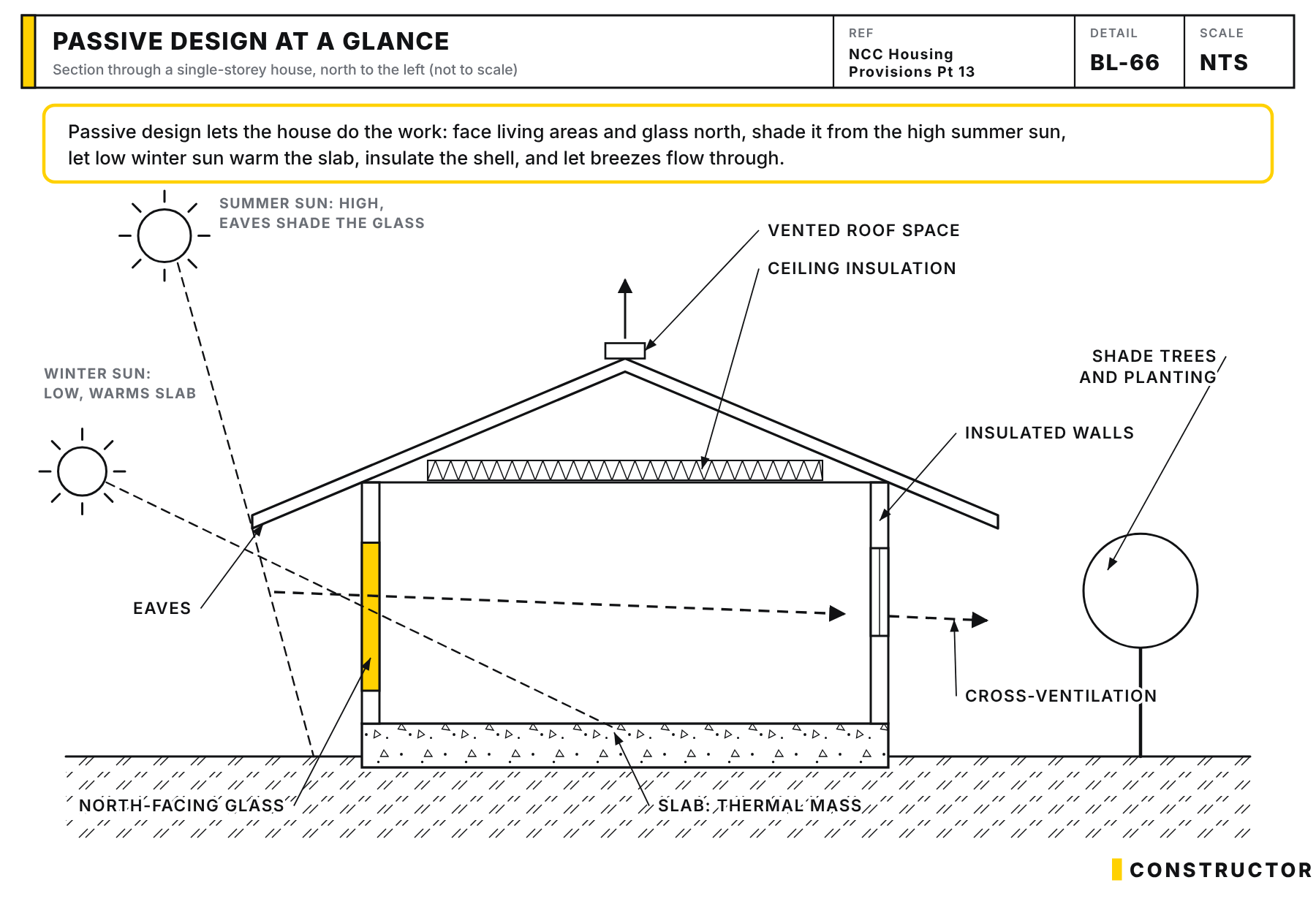
Shade trees, shrubs and pergolas near windows and outdoor living areas cut summer heat gain and the need for air conditioning. Get the orientation right: in Australia the low, hot afternoon sun comes from the west, so that's where dense evergreen planting earns its keep (the east too, for morning sun). On the north side, use deciduous trees or a pergola with climbers, so you get shade in summer but the winter sun still gets into your living areas. A big evergreen tree on the north will happily block the free winter heating you designed the house around.
Windbreaks
In colder or wind-prone areas, dense rows of shrubs or hedges on the side of the prevailing winter winds reduce draughts and heat loss. Combined with decent insulation and sealing, they make a noticeable difference to comfort and heating bills.
Deciduous vs. Evergreen
Deciduous trees drop their leaves in winter, letting the sun in, then shade the house in summer. Most Australian natives are evergreen, so a few carefully chosen deciduous exotics, paired with drought-tolerant local plants, can give you seasonal shading where you need it.
Environmental Footprint
Biodiversity and Habitat
Indigenous and native plants provide food and shelter for birds, insects and other wildlife. In suburbs where natural habitat is broken up, even a small garden helps. Trees also store carbon and trap dust, which is a bonus.
Stormwater Management
The more concrete and roof you have, the more water rushes off your block in a storm. Permeable surfaces (gravel, mulch, permeable pavers, turf cells) let rain soak into the soil, which reduces erosion and takes pressure off the stormwater system during downpours.
Rules and Approvals
Local Council Guidelines
Many councils have rules for new homes on tree removal, minimum landscaped area, stormwater, and sometimes plant species. Check your council's planning scheme and any estate covenants before you finalise the plan, to avoid fines or delays.
Heritage and Environmental Overlays
In heritage areas, or where an environmental overlay applies, your plant choices, garden style and any clearing of native vegetation or wetlands may be restricted. Talk to council or a landscape designer who knows the local rules.
The Main Principles of Sustainable Landscaping
Working with the Site
Site Analysis
Before anything goes in the ground, look at your soil, sun, slope, drainage and existing vegetation. Wet spots suit moisture-loving plants or need a drainage fix. Hot, exposed areas need tough plants or shade. Base the design on what's actually there, not on a magazine photo.
Keep Existing Trees Where You Can
Mature trees take decades to grow and give instant shade, wind protection and habitat. Get an arborist to assess which ones can safely stay before any clearing, and check whether your council needs a permit for removal or major pruning.
Minimising Hard Surfaces
Impact on Runoff and Heat
Concrete driveways, patios and paving shed water fast and soak up heat, then re-radiate it into the evening. That means more runoff, more erosion and a hotter yard.
Permeable Alternatives
Where you can, use gravel, permeable pavers or porous concrete. Where a solid surface is needed, like a driveway, consider strip or partly permeable designs, or add drainage channels along the edges.
Mulch and Groundcovers
Mulch and groundcover plants are the easiest way to replace hard surfaces. Mulch holds moisture, improves the soil over time and suppresses weeds. Groundcovers like native violets or creeping herbs keep the soil healthy and permeable.
Keep Gardens Clear of the Slab Edge
This is the one new homeowners get wrong most often. Keep garden beds, mulch, soil and paving below the slab edge and well below the weep holes in your brickwork. On most new homes the exposed slab edge is part of the termite management system: it's the inspection zone where termites have to come out in the open (AS 3660.1). Bury it with a garden bed and termites can sneak in unseen. Soil against the walls also wicks moisture into the brickwork and can void your termite warranty. Keep the ground falling away from the house so water drains away from the slab, not towards it.
Water Conservation Strategies
Smart Plant Choices
Native and indigenous plants are adapted to local rainfall and soil, so they need less water, fertiliser and fuss. Examples include drought-tolerant wattles (Acacia) and saltbush (Atriplex), depending on your region.
Rainwater Harvesting
A rainwater tank under your downpipes is the simplest way to water the garden for free. Some councils and water authorities offer rebates, so check before you buy. With the right filtration and plumbing, tank water can also supply toilets and the laundry.
Greywater Recycling
Greywater systems reuse water from showers, basins and the washing machine for the garden. They must be installed to meet health and plumbing rules, and greywater is best kept to ornamental plants rather than food crops. Check your council and state requirements before installing one.
Mulching and Irrigation
Top up mulch regularly. Drip irrigation and soaker hoses deliver water to the roots and waste far less than sprinklers. Add a timer or smart controller so it only runs early morning or evening and skips rainy days.
Selecting Plants: Native, Indigenous, and Complementary Exotics
Native vs. Indigenous vs. Exotic
- Native: Refers to any plant species originating in Australia.
- Indigenous: Plants that occur naturally in a specific local region or ecosystem within Australia.
- Exotic: Species introduced from other parts of the world.
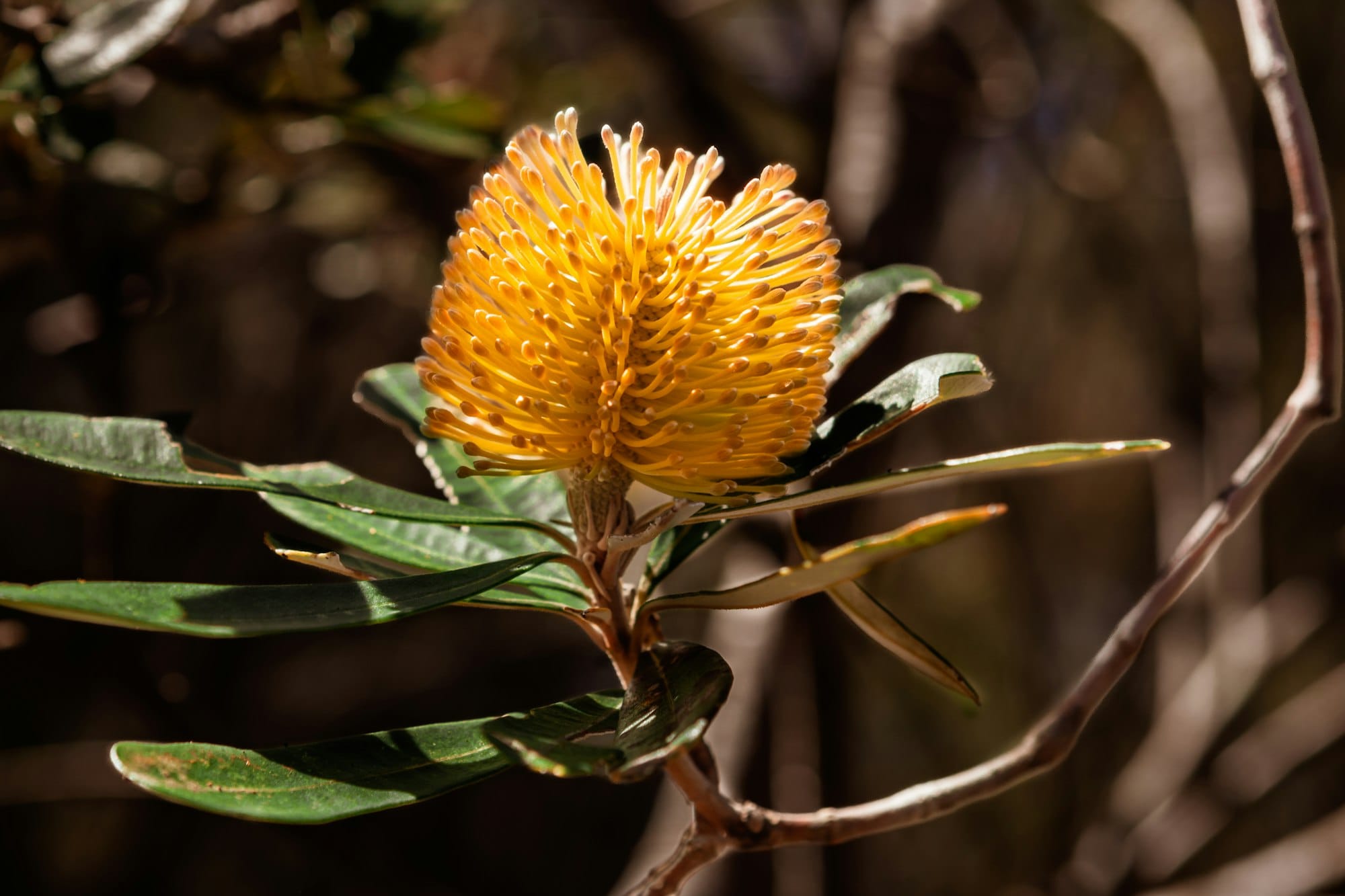
Start with indigenous plants, since they suit local conditions best. Natives from similar climates elsewhere in Australia also do well, as long as they aren't invasive in your area. Choose exotics carefully and make sure they aren't declared weeds.
Biodiversity Support
Mix trees, shrubs, grasses and flowering plants to create layers of habitat for bees, butterflies, birds and lizards.
Choosing Sustainable Landscaping Materials
Recycled and Local Products
For paths, walls and edging, use recycled aggregates (crushed concrete or brick) or reclaimed timber. If recycled isn't available, buy local to cut transport.
Responsibly Sourced Timber
For new timber, look for FSC or PEFC certification. Plantation hardwoods are a good alternative to imported rainforest timbers.
Go Easy on Plastics
Avoid synthetic mulches and decorative plastics that break down into microplastics. If you use geotextiles or plastic edging, buy commercial-grade so it lasts.
Food Production and Edible Gardens
Vegetable Beds and Orchards
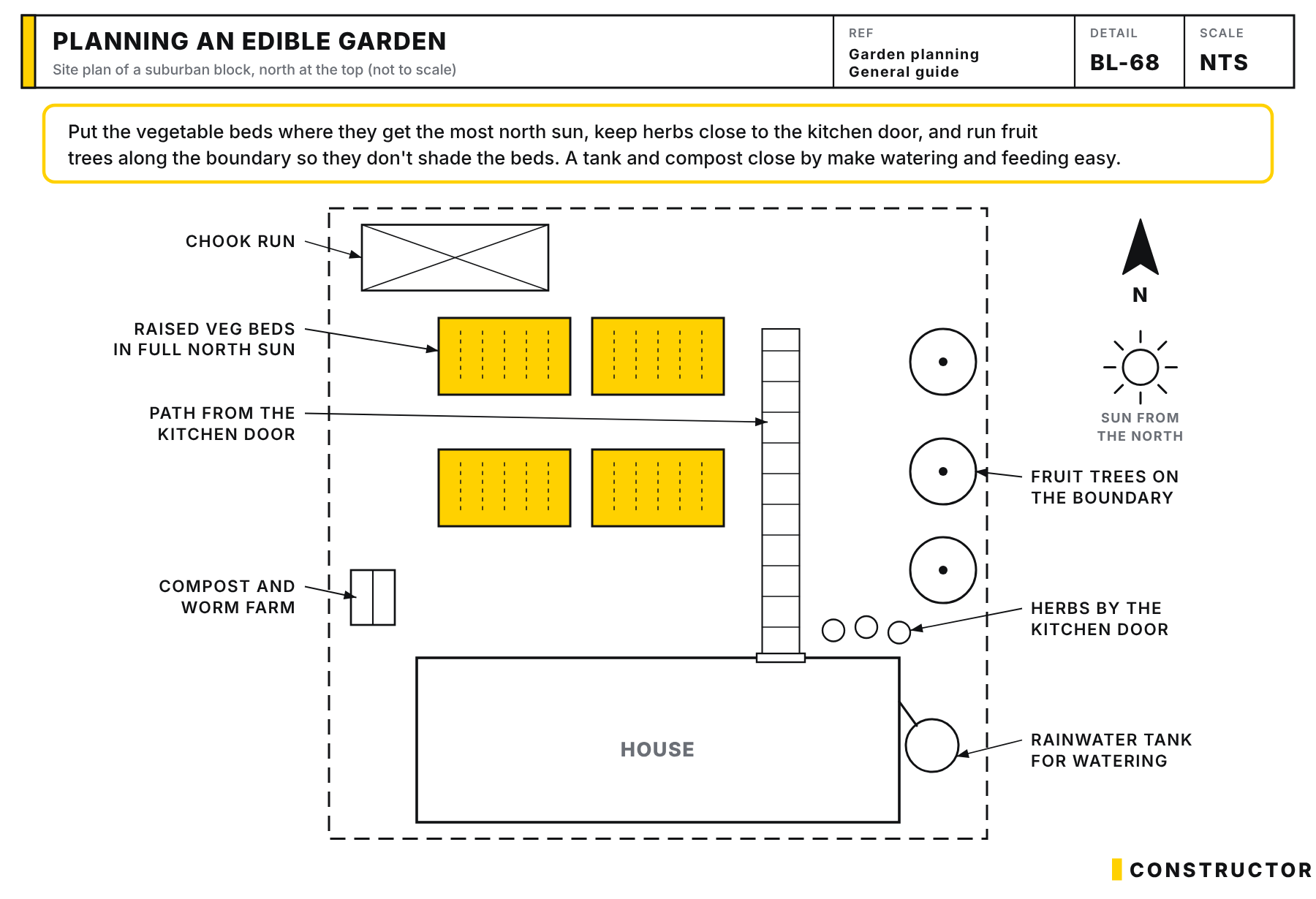
Even a courtyard can fit raised vegetable beds. Pick a spot with at least six hours of sun a day and build up the soil with compost.
Permaculture Principles
Permaculture uses companion planting, crop rotation, mulch and compost to build a garden that needs less water, fertiliser and pesticide over time.
Chickens and Bees
Chickens give you eggs, eat bugs and fertilise the soil. Bees pollinate your fruit and veg. Check your council's rules on poultry and beehives first.
Designing for Climate and Safety
Bushfire-Prone Areas
In bushfire-prone areas, the garden is your first line of defence. Done right, it slows the fire, reduces ember attack and keeps your escape route clear.
Plant Selection and Placement
- Low-Flammability Species
Opt for plants with high moisture content in their leaves, low levels of volatile oils, and minimal leaf litter. Some indigenous and native Australian species (e.g., certain saltbushes and lilly pillies) have lower flammability compared to eucalypts or ornamental conifers. - Spacing and Clustering
Break up continuous vegetation with paths or clearings to slow the spread of fire. A recommended approach is to leave at least a few metres of clear space—or install low-growing, fire-retardant groundcovers—between clusters of shrubs and trees. - No Plants Near Windows
Keep larger, denser plantings away from windows, decks, and walls. Burning plants and intense radiant heat can crack or break glazing, increasing the risk of fire spreading indoors. - Mulch Choices
While organic mulches (e.g., wood chips, bark) are great for water retention, they can be highly flammable in bushfire conditions. In high-risk areas, consider gravel, scoria, or other non-combustible mulches.
Fuel Reduction and Defendable Space
- Prune and Maintain
Remove any dead or dry vegetation that could act as tinder. Prune lower branches on trees to at least two metres above the ground, preventing a surface fire from climbing into the canopy. Regularly clear leaves, twigs, and debris from gutters and roof valleys. - Defendable Space
The concept of defendable space involves clearing combustible materials within a specific radius of your home. This buffer zone allows firefighters safer access to the property and reduces the intensity of flames reaching the building. The recommended distance often depends on your site’s Bushfire Attack Level (BAL) but typically ranges from 10 to 30 metres around the home. - Non-Combustible Features
Opt for metal or masonry fencing, and situate sheds, cubby houses, or outdoor furniture well away from the main dwelling. Anything flammable in close proximity could transfer heat or embers to the house.
Compliance with Australian Standards
- AS 3959
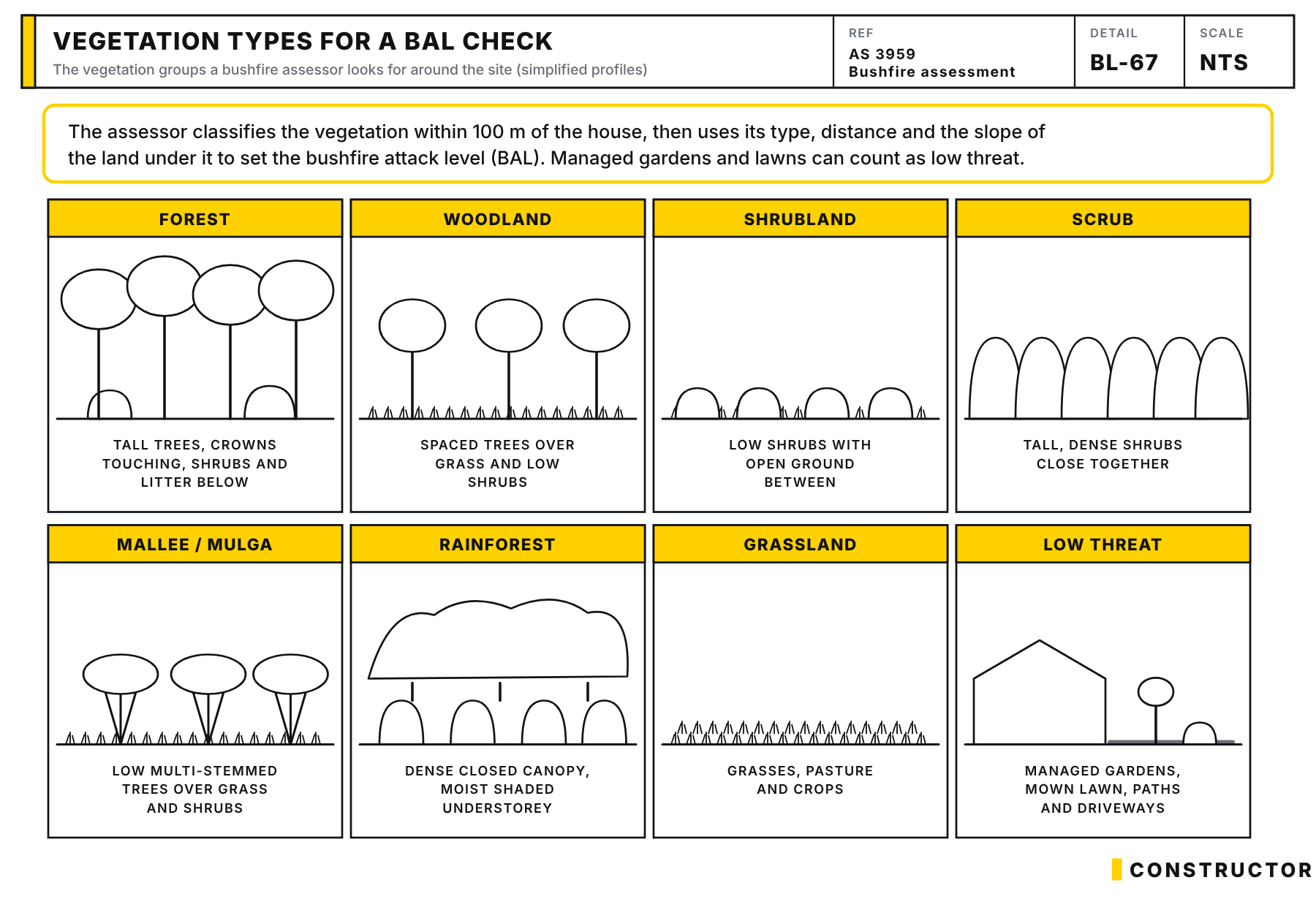
AS 3959 sets construction requirements for homes in bushfire-prone areas based on the site's Bushfire Attack Level (BAL). Your BAL is assessed from the vegetation around the block, so keep your landscaping consistent with the assessment your home was designed for. - Local Council Regulations
Many state and territory governments publish additional resources and plant selection guides for bushfire mitigation. These may vary significantly between regions, so always consult local advice and, if necessary, hire a bushfire consultant or landscape professional familiar with your area’s requirements.
Designing for Future Climate Change
Adapting to Rising Temperatures
- Increased Shading
Expect heatwaves to become longer and more intense. Planting large shade trees, installing pergolas, or using shade sails in key areas can help protect people, pets, and sensitive plants from scorching summer sun. - Heat-Tolerant Plants
Choose species—particularly indigenous or drought-resistant natives—that can handle fluctuating rainfall and higher temperatures. Supplement with groundcovers and mulch to keep root zones cooler and reduce soil evaporation.
Designing Microclimates
- Cool Zones
Create a shaded 'mini-oasis' with moisture-loving plants, positioned to catch the prevailing breeze. It can cool the air flowing into your living areas. - Green Walls and Roofs
Green roofs and living walls reduce heat gain and suit small blocks where ground space is tight.
Extreme Weather Preparedness
- Cyclones and High Winds
In cyclone and storm-prone areas, choose wind-resistant species, keep tall trees well away from the house, and check tree health regularly. - Flood Prone Zones
If your property is near a floodplain or experiences seasonal flooding, elevate garden beds or use raised planters to protect roots from prolonged waterlogging. Also consider selecting wetland-adapted or moisture-tolerant plants in low-lying areas. - Soil Erosion Control
Heavy downpours or strong winds can lead to soil erosion on sloped sites. Strategies like terracing, retaining walls, and groundcovers with robust root systems (e.g., certain native grasses) can stabilise soil and prevent nutrient loss.
Step-by-Step: Creating Your Garden
Planning and Design
Define Your Goals
Decide what the garden needs to do: cut energy costs, manage stormwater, attract wildlife, grow food, or give the kids somewhere to burn off energy. That drives every other decision.
Establish a Budget and Timeline
Set a budget for money and time. On a tight budget, stage it: do the essentials first (drainage, erosion control, water-saving measures) and add the decorative stuff later. Allow for planting seasons and any council approvals.
Decide on DIY vs. Professional Assistance
Groundcovers and mulch are easy DIY. Greywater systems, retaining walls and bushfire compliance need a licensed professional. Getting advice early is cheaper than fixing mistakes.
Draw a Rough Site Plan
Sketch your block showing the house, existing trees, slopes, boundaries and outbuildings. Mark the sun path, prevailing winds and any drainage problems. Then place your garden beds, shade trees, utility areas and entertaining spaces.
Plan for the tree's mature size, not the size in the pot. On reactive clay sites, trees dry out the soil as they grow, and roots near your footings can cause the slab to move and crack.
CSIRO's guide BTF 18 Foundation Maintenance and Footing Performance: A Homeowner's Guide explains how trees and garden watering affect your footings. A common rule of thumb on reactive clay is to keep a tree at least its mature height away from the house, and further for groups or rows of trees.
Site Preparation
Soil Testing and Improvements
Test your soil with a home pH kit, or send a sample to a NATA-accredited soil lab for pH, nutrients and structure. Then add compost or well-rotted manure, or adjust the pH, as needed.
Clearing and Protecting Vegetation
Remove only what you have to. Protect the root zones of trees you're keeping with temporary fencing so machinery doesn't damage them.
Grading and Drainage
Sort out drainage before you plant. Grading, swales or subsoil (French) drains can move water away from the house and into the garden. Keep the finished ground falling away from the house, and don't redirect water onto your neighbours.
Infrastructure Installation
While the ground is bare, put in irrigation lines, tanks, greywater systems and conduit for outdoor lighting. Build retaining walls, paths and decks now too, so machinery doesn't wreck new plantings.
Implementation
Staged Planting
Plant the functional stuff first (shade trees, windbreaks, erosion control), then ornamental beds, groundcovers and the veggie patch. It spreads the cost and lets you see what thrives.
Soil Conditioning and Mulching
After planting, mulch around each plant to hold moisture and suppress weeds. Organic mulches (wood chips, straw, lucerne) break down and feed the soil. In bushfire-prone areas, use gravel or scoria near the house and organic mulch further out. Keep all of it below the slab edge and weep holes.
Irrigation System Setup
Install drip lines as you plant and adjust emitters so each plant gets enough. A smart controller with weather data or soil moisture sensors saves water and effort.
Basic Hardscaping
Put paths or stepping stones in high-traffic areas so you don't compact the soil. In Queensland, retaining walls over 1 m high, or within 1.5 m of a building or another wall, generally need building approval and an engineer's design, so check before you build.
Ongoing Maintenance
Seasonal Tasks
- Spring: Plant new seedlings, apply fresh mulch, prune certain shrubs.
- Summer: Keep an eye on irrigation during heatwaves, remove weeds promptly, ensure mulch is topped up.
- Autumn: Collect fallen leaves for compost, prune back frost-sensitive plants.
- Winter: Install frost protection (if applicable), undertake structural pruning, and plan for spring planting.
Weed and Pest Management
Check regularly for weeds and pests. Healthy soil grows healthier plants, so try manual removal or beneficial insects before reaching for chemicals.
Pruning and Plant Health
Prune annually to keep shrubs and trees in shape and improve airflow. Use clean, sharp tools so you don't spread disease.
Irrigation and Water Use Check
Check irrigation for leaks and blocked emitters, clear sediment from tanks and clean greywater filters as the manufacturer recommends.
Monitoring and Adjusting
Gardens change. Plants outgrow their spot and shade patterns shift. Move what's struggling, adjust the watering, and add variety over time.
Quality Checklists
Correct Plant Spacing and Positioning
- Spacing: Ensure plants have sufficient room for root and canopy growth. Overcrowding can lead to competition for nutrients and higher vulnerability to pests or disease.
- Sunlight Needs: Verify that sun-loving species are placed in areas with adequate light, and shade-tolerant plants aren’t exposed to direct, harsh sunlight.
- Soil Preparation: Confirm that soil is appropriately amended with compost or other organic matter prior to planting. Poor soil preparation can stunt growth and raise maintenance requirements.
Drainage and Soil Health
- Surface Runoff: Assess whether water is pooling around plants or near structures. Adjust grading or install French drains if necessary.
- Soil Compaction: Check for areas compacted by heavy machinery. Aerate if needed to allow water and oxygen to reach plant roots.
- pH and Nutrients: Periodically retest soil pH and nutrient levels, particularly in vegetable beds and around newly established trees.
Irrigation and Water Systems
- Installation Integrity: Inspect drip lines, soaker hoses, or irrigation heads for leaks or blockages.
- Water Pressure: Adjust system pressure to match plant needs. Too high and you may waste water; too low and plants won’t receive adequate moisture.
- Controller Settings: If using an automated or smart controller, review the programming seasonally to align with weather changes and plant growth cycles.
Hardscape Construction
- Foundations and Footings: For retaining walls, pergolas, or decking, confirm that footings comply with local building codes and are structurally sound.
- Materials: Verify that pavers are level and secure, with adequate jointing material. Check that non-slip surfaces are used where required for safety (e.g., near water features or on slopes).
- Drainage Integration: Confirm that hardscape installations don’t create new drainage problems. Pathways and patios should incorporate slopes or permeable materials to allow water runoff.
Materials and Plant Stock Inspection
Plant Health and Supplier Credentials
- Inspection for Pests or Disease: Visually inspect plants before purchase and at planting. Look for discoloured leaves, fungal spots, or signs of infestation.
- Supplier Reputation: Source plant stock from reputable nurseries or suppliers known for quality and biosecurity measures. Request disease-free certifications when available.
- Local Provenance: For native or indigenous species, confirm that the supplier grows plants suited to your specific region’s conditions, increasing resilience and reducing transplant shock.
Sustainable and Ethical Sourcing
- Timber Certification: If you’re using new timber for structures, check for labels such as FSC (Forest Stewardship Council) or PEFC (Programme for the Endorsement of Forest Certification).
- Recycled Content: Where possible, choose recycled aggregates (e.g., crushed concrete, reclaimed bricks) for paths or walls. Inspect these materials for structural integrity—cracks, weak spots, or significant contamination.
- Low-Volatile Organic Compound (VOC) Products: If using paints, stains, or adhesives on outdoor surfaces, opt for low-VOC or water-based products to minimise environmental impact and potential health risks.
Post-Completion Review
Monitoring Plant Establishment
- Watering Schedule: Evaluate whether newly planted areas are receiving enough moisture, especially through the first growing season. Adjust as weather conditions fluctuate.
- Growth Rates: Track plant growth. If certain species are failing to thrive, investigate underlying issues such as soil pH, root damage, or pest infestation.
- Mulch Levels: Ensure mulch remains at an optimal thickness (about 5–7cm) to retain soil moisture and suppress weeds. Replace or replenish as needed.
Structural Integrity of Hardscapes
- Annual Inspection: Schedule a yearly review of retaining walls, fences, and raised beds. Check for cracking, settling, or rotting—address small issues before they become major repairs.
- Safety Features: Revisit any railings, deck boards, and stairs to confirm they remain sturdy, especially after heavy rainfall or extreme weather events.
Frequently Asked Questions
Which native Australian plants are best for low-maintenance gardens?
Answer:
Many Australian natives thrive in local conditions without excessive watering or fertiliser. Popular low-maintenance choices include:
- Kangaroo Paw (Anigozanthos spp.) for bright, bird-attracting flowers.
- Lilly Pilly (Syzygium spp.) for hedges and screening.
- Grevilleas for nectar-rich blooms that attract birds.
- Wattles (Acacia spp.) for soil improvement and drought tolerance.
It’s always best to consult with local nurseries or council resources to find indigenous species suited to your specific region.
Is it more expensive to invest in sustainable landscaping from the start?
Answer:
While some eco-friendly materials or systems (e.g., rainwater tanks, drip irrigation) may have higher upfront costs, they often lead to savings in the long run through lower water bills, reduced heating/cooling expenses, and less maintenance. Additionally, features like permeable paving or recycled materials can sometimes be comparable in cost—or even cheaper—than conventional alternatives, especially when you factor in life-cycle benefits and potential council rebates.
Can I still have a lawn if I want a low-water-use garden?
Answer:
Yes, but you’ll need to be strategic:
- Choose Drought-Tolerant Varieties: Buffalo or native grass blends require less water and fertiliser.
- Reduce Lawn Area: Minimise turf to only the essential zones, like play or entertainment areas.
- Efficient Irrigation: Use drip lines or soaker hoses where possible, and water in the early morning or late evening to reduce evaporation.
What are the basic steps to start a vegetable and herb garden?
Answer:
- Choose a Sunny Spot: Most vegetables and herbs need at least 6 hours of direct sunlight daily.
- Prepare Soil: Test pH and add compost or well-rotted manure to improve fertility.
- Plan Layout: Group plants with similar water and nutrient needs.
- Install Irrigation (Optional): A drip system conserves water and delivers moisture directly to roots.
- Maintain: Regularly weed, mulch, and feed your plants with organic fertiliser or compost tea.
Do I need council approval for certain landscaping features or structures?
Answer:
It depends on local regulations. Many councils require approvals for:
- Retaining walls over 1 m high, or within 1.5 m of a building or another retaining wall, or with a load such as a driveway above them. In Queensland these generally need building approval and a design from a registered (RPEQ) engineer. Check with your certifier.
- Fences over 2 m high in Queensland, plus pool fences and some fence materials or styles under local planning rules or estate covenants. Some councils, for example, don't like brush fencing.
- Structures like decks, roofed pergolas and sheds, which may need building approval and must have their roof water connected to your stormwater drainage.
Always check with your council or certifier before starting major landscape work.
Test yourself
Five quick questions on this topic. Click a question to see the answer.
Why is it recommended to break up continuous vegetation with paths or clearings in bushfire-prone areas?
To slow the spread of fire.
What is the purpose of having non-combustible features like metal or masonry fencing in bushfire-prone areas?
To reduce the risk of fire spreading to the house.
What is one of the benefits of using native and indigenous plant species in landscaping?
They conserve water and reduce maintenance needs.
Why is it important to periodically test your irrigation system for leaks or blocked emitters?
To ensure efficient water use in your garden.
Why is soil preparation important before planting?
It ensures healthy plant growth and reduces maintenance needs.
Further Reading
 Top 10 Budget-Friendly, Low-Maintenance Landscaping TipsTransform your garden into a low-maintenance oasis with our top 10 budget-friendly landscaping tips. From using native plants that require minimal upkeep to implementing mulch for weed control and setting up a DIY drip irrigation system, these strategies are both cost-effective and time-saving.
 Understanding Construction Firewalls: Fire SafetyBuilding a new home? Learn about construction firewalls and fire barriers—essential for protecting your property and loved ones. Discover the types, materials, and regulations that ensure fire safety in residential construction. Stay safe with these critical fire protection measures.
 Protect Your Home: The Power of Site PhotosUncover how taking site photos during construction can be a game-changer for homeowners. Learn about the subsidence policy and how documenting your build can save you from costly repairs and legal headaches.
 Termite Barriers: Types, Pros & ApplicationsThis comprehensive guide explores the different types of termite barrier systems, including physical and chemical options, their advantages, and where they are best applied. Learn how to choose the right system for your new home or renovation.
 Complete Guide to Building a Timber Retaining WallThinking of building a timber retaining wall? Constructor’s comprehensive guide covers everything from choosing the right timber to design considerations and maintenance tips. Learn how to ensure your wall’s longevity and effectiveness. Don’t miss out on expert advice!
 Ultimate Guide to Treated Pine for Your ProjectsThis comprehensive guide covers everything about treated pine, from its advantages and applications to selecting the right type and maintenance tips, ensuring your next project is a success.
 Greywater Systems: Australia’s Answer to Water ScarcityGreywater systems offer a sustainable solution to water scarcity. By recycling water from laundry, bathroom, and kitchen use, these systems contribute significantly to conservation efforts. This guide explores their benefits, types, and best practices for responsible use.
 Shading Your Home: Design Tips for Comfort & Energy SavingsShading plays an important role in improving comfort and reducing energy costs in your new home. In this post we cover the best shading options, climate-specific strategies, and design considerations to enhance your home’s liveability year-round.
 Thermal Mass Explained: Energy Efficiency in New Homesin this article we explain how materials like concrete and brick help absorb, store, and release heat, reducing heating and cooling costs while increasing comfort. Learn how to use thermal mass effectively through smart design, material selection with other passive energy strategies.
 Glazing for Your Home: Comfort, Energy, and Cost InsightsGlazing greatly impacts your home’s comfort, energy efficiency, and costs. Understanding glass types, frame materials, and installation can help you optimise thermal performance, lower energy expenses, and improve sustainability in your new home.


