
Checklist
Pre Pour Slab Inspection
A 95-point pre-pour slab checklist. Check set-out, levels, reinforcement, services and formwork after the slab is prepped and before concrete is poured, while fixes are still simple.
From earthworks to the pour: what to check before the slab covers it.
Read them in order: what happens, what to look for, what to ask, the checklist in use, and the money.
See inside each one first. Buy only when it fits your build.
A 95-point pre-pour slab checklist. Check set-out, levels, reinforcement, services and formwork after the slab is prepped and before concrete is poured, while fixes are still simple.
A 61-point checklist to inspect your slab after the pour: finish, penetrations, termite protection, curing and site clean-up, while repairs are still easy to arrange.
The C25 Build Money Ledger Toolkit checks every progress claim against its schedule and tells you at each stage whether you still have enough to finish.
Check your inbox to confirm.
That didn’t work. Check the email address and try again.
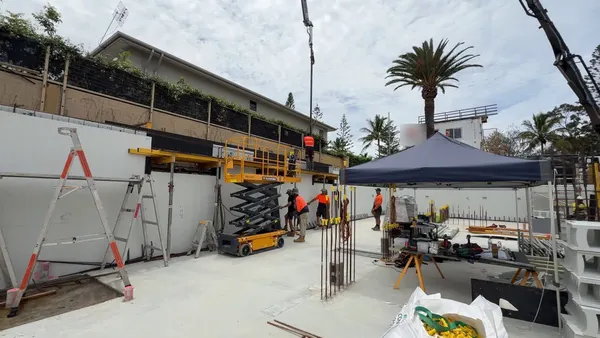 Post 58: Pour Day for the Rediwall Core Fill
Pour day for the Rediwall basement walls. A 47 m boom pump, three lifts all the way round, vibrating with hammer drills on timber blocks, tapping the walls, conduits taped and marked, L bars set to height, and a pump parked on the neighbour's lawn.
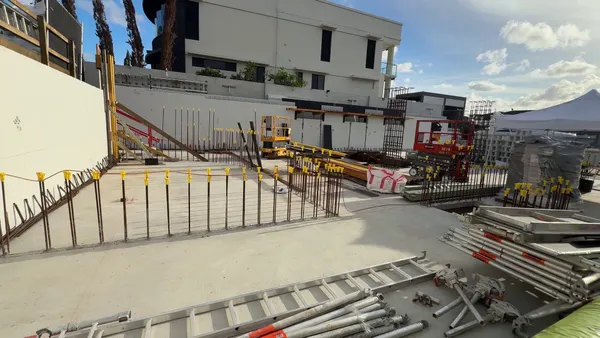 Post 57: Ready for the Core Fill in the Rediwall Basement Walls
The day before the Rediwall basement walls are filled with concrete. Back-propping and bracing, a lintel waiting on steel, a boatload of L bars to tie the walls to the ground floor slab, conduits cast in for power and data, the column cages, the special core fill mix, and what happens next.
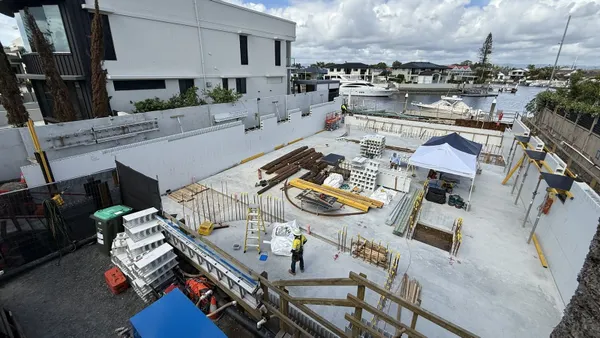 Post 56: Getting the Steel into the Rediwall Basement Walls
A quick look at how the steel goes into the Rediwall basement walls. Cutting the walls to height, dropping N16 verticals from a scissor lift, the hooked bars that tie each corner together, the lintels over the ventilation windows, conduits cast in for EV charging, and the bracing before the pour.
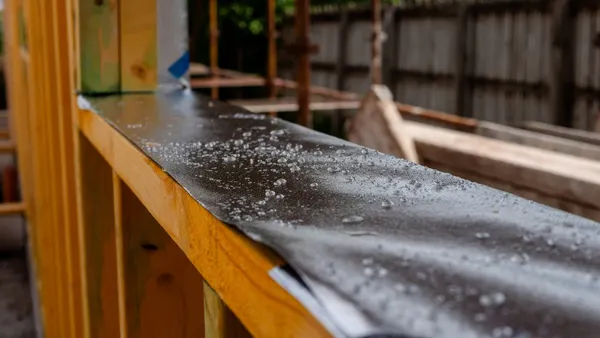 Extension of Time and Building Delays: What Homeowners Need to Know
When a build runs late, an extension of time claim usually lands in your inbox. Here's what Queensland law requires of your builder, how to check each claim, and how to keep the record that protects you.
Take them on site, tick off each check before you pay, and keep a record if something goes wrong later.