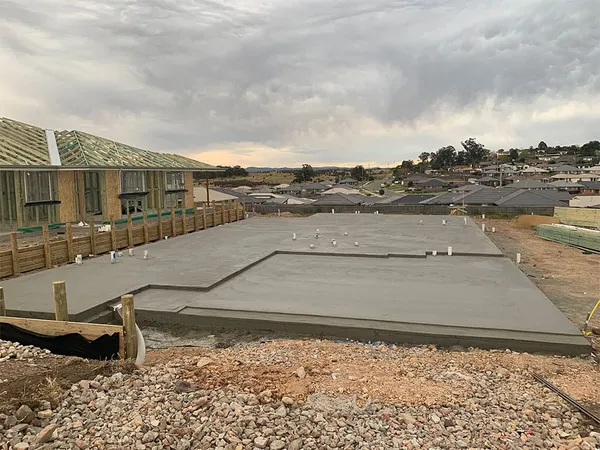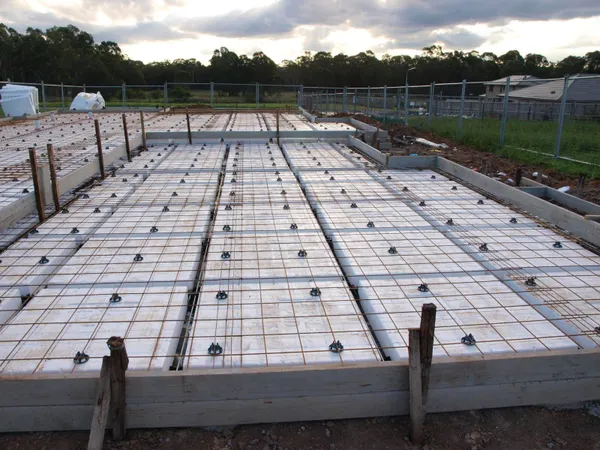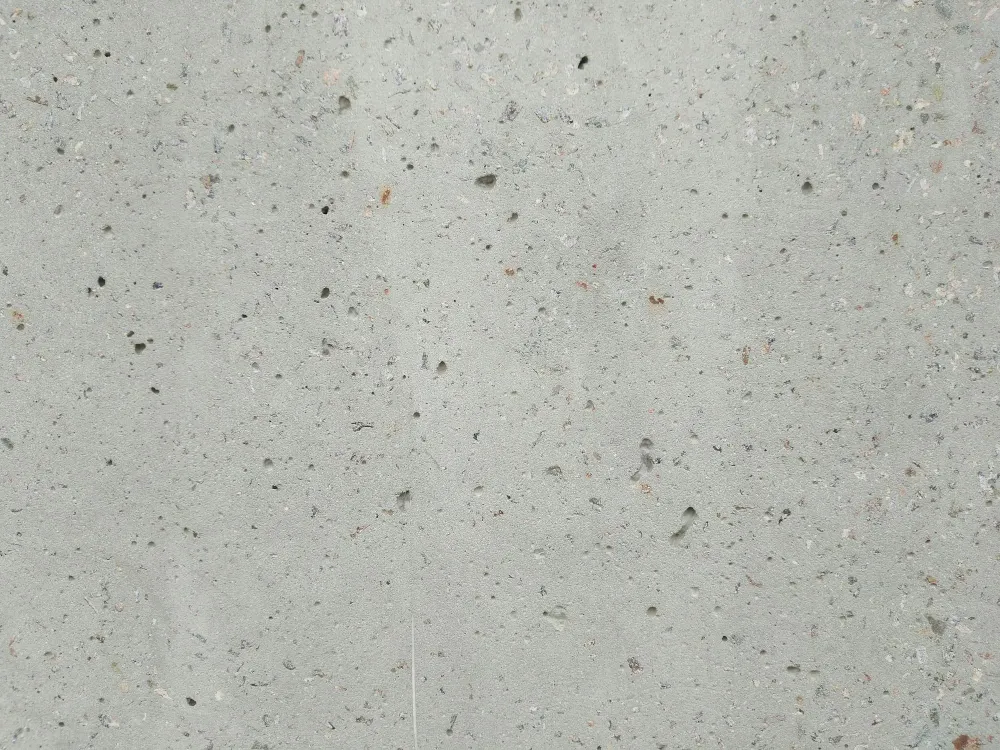
Laitance is the weak, chalky skin that can form on the surface of new concrete. If it isn't removed, coatings, sealers and tile adhesives won't stick. (definition)
Glossary: friable means crumbly, easily broken into small pieces by rubbing. Laitance is friable. (source)
C6 - Post Pour Slab Inspection Checklist
$59.00 AUD
Last updated 5 Oct 2026 · Revision 1 · Free updates for life
Checklist Type: Minor
Form Factor: Fillable, print-ready PDF (A4, 10 pages)
When to use: After the concrete pour, before the frame goes up
A 62-point checklist to inspect your slab after the pour: finish, penetrations, termite protection, curing and site clean-up, while repairs are still easy to arrange.
What is laitance, and what causes it?
Laitance is a thin layer of weak, milky material made up of cement dust, lime and sand fines. It forms when excess water carries fine particles up to the surface of fresh concrete. Adding too much water to the mix, or poor curing, will cause it.
The fines rise to the surface of concrete that was over-watered or allowed to dry out too fast without proper curing. Over-trowelling can also cause it.
Good curing means keeping the moisture in for longer, slowing evaporation so the cement fully hydrates and the concrete reaches its full strength.
Good curing practice means covering the freshly finished concrete with wet hessian, wet sand or a curing membrane (such as a sprayed-on wax emulsion), or at least plastic sheeting weighed down at the edges so the wind can't lift it. Australian Standards set minimum curing periods, typically 3 to 7 days for house slabs. Ask your builder how your slab will be cured; our C6 Post Pour Slab Inspection checklist covers what to look for.
Why remove laitance?
Laitance is a weak surface layer that wears quickly and stops coatings, sealers and adhesives bonding to sound concrete. If you epoxy your garage floor, seal your driveway or tile straight onto the slab without removing laitance, the coating or adhesive can lift, taking the weak layer with it. It doesn't affect the slab's structural strength, but it can ruin whatever you put on top.
Can laitance be painted over?
The short answer? No! Laitance creates a weak, flaky surface that coatings just won’t stick to properly. But once it’s removed—using diamond grinding, shot blasting, or another mechanical method—you’re left with solid concrete you can paint with confidence.
What is the best way to remove laitance?
Use mechanical methods. Diamond grinding and shot blasting are the most reliable. They remove the weak, powdery layer completely and expose sound concrete, so coatings and treatments stick and last.
What is the difference between bleeding and laitance?
Bleeding is water in the fresh concrete mix rising to the surface. It's a natural part of concrete setting. Laitance is the layer of fine particles, cement dust and sand left at the surface, often from excessive bleeding and poor curing. Bleeding is normal; laitance is the problem it can leave behind.
What is the difference between efflorescence and laitance?
Efflorescence is a white, powdery deposit of salts that crystallise on the surface as water in the concrete evaporates. Laitance is a weak, milky layer of cement dust and fines. Efflorescence is mostly cosmetic. Laitance is a weak surface layer that causes coatings, sealers and tile adhesives to fail, but it doesn't affect the slab's structural strength.
Further Reading
 Concrete Crazing Explained: A Homeowners Comprehensive GuideDespite the durability of concrete, it’s common to notice small cracks or patterns on its surface over time. In this post, we’ll dive into what causes concrete crazing and how home owners can identify, prevent and fix this issue before it becomes a bigger problem.
 Understanding Concrete Cracks: Foundation InsightsConcrete cracking is a common issue, often due to shrinkage, structural movement, and environmental factors. While minor cracks are normal, larger ones may signal serious foundation problems.
 Concrete’s Composition: Ingredients, Curing, ProcessThis article discusses what concrete is made of, including its basic ingredients like cement, sand, gravel, & the hydration process it undergoes to harden and gain strength. It covers the role of each component, the mixing process, and factors influencing concrete’s curing & final properties.
 Understanding Concrete Joints: Types, Purposes & PracticesEver wondered why concrete pavements have grooved lines? They’re not just for show; they’re concrete joints designed to control cracking & improve the structure’s longevity. This guide dives deep into the different types of concrete joints & their role in construction.
 Efflorescence on Concrete & Brick: Prevention & TreatmentEfflorescence, the white powdery substance on concrete and brick surfaces, can be a homeowner’s nightmare. Caused by water seeping through and evaporating, it’s not just unsightly but can indicate deeper issues. Dive into understanding its causes, prevention, and effective treatments.