Six months in, your new home has been through a season or two. The frame has settled, the cornices may have cracked, and a door might be sticking. It's the right time to look closely, while your builder is still on the hook. This post walks through our new C18 6 Month Maintenance Checklist: what it is, what it does, when to use it, and what you get out of it.
What it is
C18 is a fillable, 19-page checklist with 110 checks across 13 sections, plus a maintenance calendar and a log. It covers the whole home, from the roof space and gutters to hot water, wet areas, electrical and fire safety, termites and storm preparation.
Every check has Fine, Later and Issue boxes. "Later" means "not due yet, put it in the calendar", so the checklist turns straight into a plan you can repeat each year. A defects register at the back lets you record anything the builder needs to fix.
C18 follows C17 (Handover) and is the last of the build-stage checklists. After that, C19 Periodic Safety covers the ongoing safety checks.
What it does
Most home problems start small: a cracked tile, a dry sealant joint, a blocked downpipe. Fixed early, they're cheap. Left alone, they turn into leaks, rot and termite damage.
C18 gives you:
- A 6-month walk-through of every part of the home, so you can list defects for your builder.
- A maintenance calendar that shows what's due and when, with reminders you set once.
- A log for every job, date, tradesperson and cost, which helps with warranty claims and when you sell.
When to use it
- About 6 months after practical completion, before your builder's maintenance inspection. Walk the home with C18 and send your list in writing.
- Then on the calendar, season by season, so preventative maintenance becomes routine.
- After storms, using the seasonal and storm checks.
Why use it
Because the 6-month visit is where most small defects get fixed, and you only get out of it what you put on the list.
It also helps to know how the time frames fit together:
- The 6-month maintenance inspection is a routine most builders follow. You give them a written list and they come back once to fix it.
- The 12-month obligation is what the contract says. Under Queensland's standard contracts (QBCC New Home Construction Contract GC 29.1, Master Builders Level 2 cl 19), the builder must fix defects that appear within 12 months of practical completion. Anything you find after the 6-month visit can still be reported in writing.
- Home warranty insurance has its own deadlines: non-structural defects must appear within 6 months of completion, and you must lodge with the QBCC within 7 months. Structural defects are covered for 6 years and 6 months.
What's in it for you
- A shorter, cheaper repair list, because problems are caught early.
- Warranties you can rely on. Many manufacturers require regular servicing, and your log proves it was done.
- A home that holds its value, with a maintenance record to show the next buyer.
- Peace and quiet: a calendar that tells you what's due, instead of a nagging feeling you've forgotten something.
What's inside: the 13 sections
| Section | Checks |
|---|---|
| S1Set up your maintenance plan | 9 |
| S2Roof and roof space | 7 |
| S3Gutters and stormwater | 8 |
| S4Plumbing and drains | 10 |
| S5Hot water, tanks and solar | 8 |
| S6External walls, ground and landscaping | 12 |
| S7Doors, windows, locks and garage | 7 |
| S8Internal linings, floors and wet areas | 9 |
| S9Electrical, lights and fire safety | 10 |
| S10Heating, cooling and appliances | 9 |
| S11Termites and pests | 6 |
| S12Seasonal and storm checks | 7 |
| S13Warranties and inspections | 8 |
| Total | 110 |
Plus the maintenance calendar, the log and defects register, and a result page.
C18 is also in the Fixing to Handover bundle, with C13A to C17.
A few honest caveats
- C18 is a guide, not a substitute for licensed trades. Never walk on the roof or work on electrical or gas yourself.
- Where a manufacturer's maintenance instructions differ from the checklist, follow the manufacturer's.
- Report serious defects, like leaks and anything structural, in writing as soon as you see them. Don't wait for the 6-month visit.
Related reading
 Home Maintenance Calendars: Proactive & Reactive StrategiesIn this article, we emphasise the importance of having a maintenance calendar for residential homes, blending preventative and reactive strategies. Be on top of maintenace and reduce long term costs.
 Top 10 Gutter Cleaning Tools for Multi-Story HomesDiscover the top 10 gutter cleaning tools for multi-story homes in Australia. This guide covers innovative gadgets and extendable tools, from telescopic wands to gutter cleaning robots, ensuring safe, efficient gutter maintenance and protecting your home from water damage.”
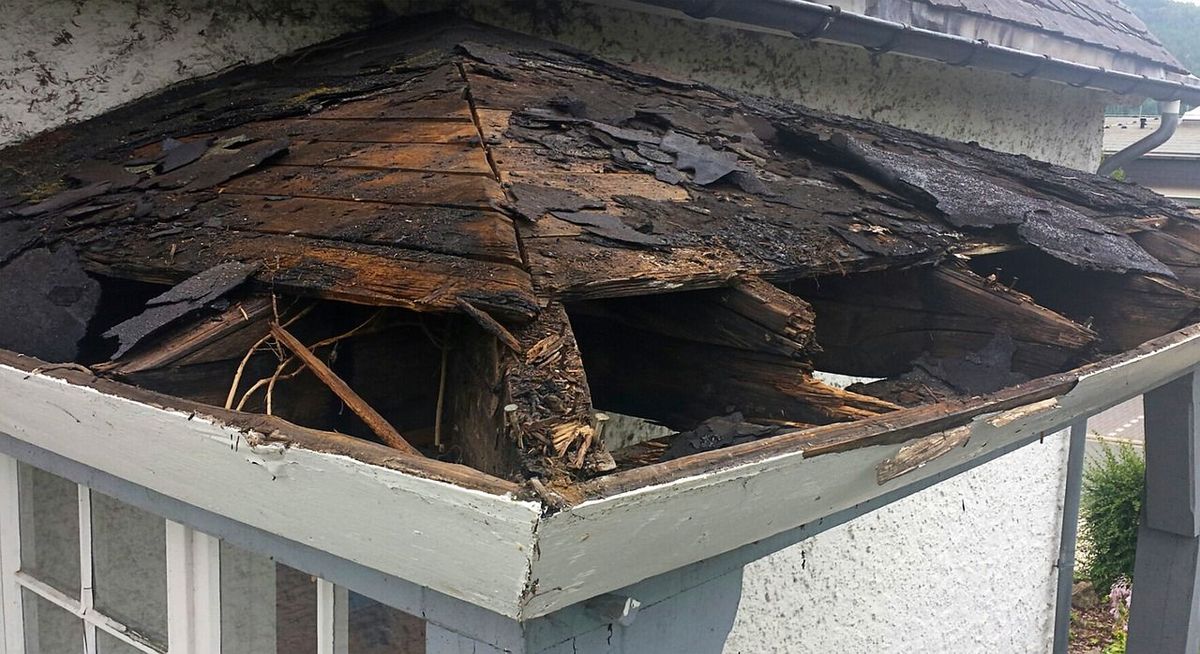 What is defective building work in residential house construction?The QBCC Act describes defective building work to include work that is faulty or unsatisfactory.