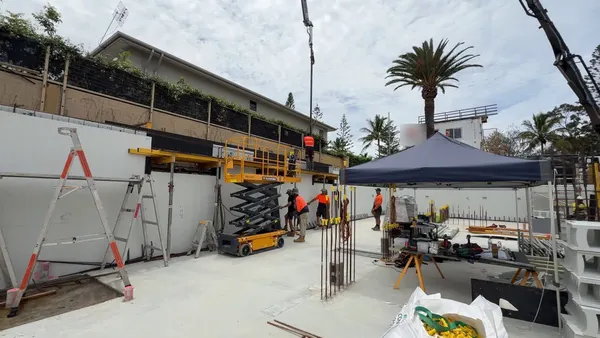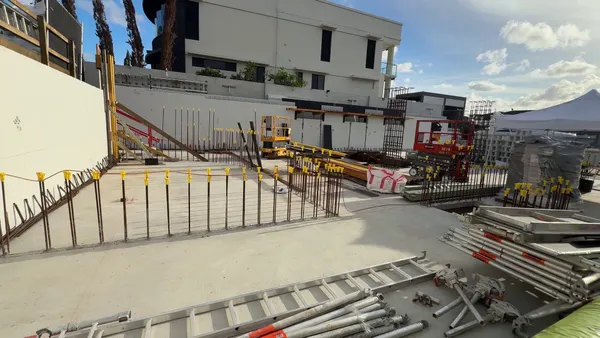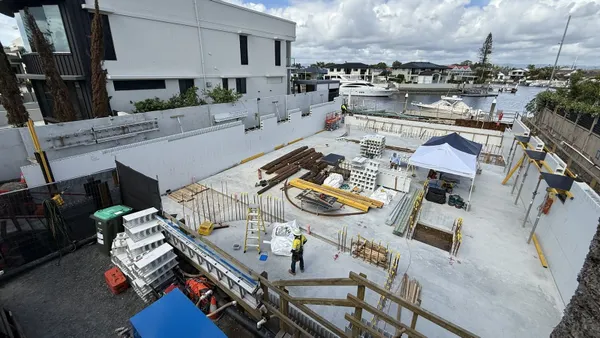
Once the slab is down, most homeowners want to see their house every chance they get. That's natural. It's your money and your home. But from site start, your block is a construction workplace, and the builder decides who walks onto it and when.
Visiting your building site well is a skill. Do it right and you catch problems early, build a good working relationship with your supervisor and keep yourself safe. Do it badly and you annoy the people building your house, put yourself at risk and possibly breach your contract.
Here's how I'd approach visiting your building site, after 26 years in residential construction.
C2 - Before Site Start Checklist
$59.00 AUD
Last updated 28 Oct 2026 · Revision 3 · Free updates for life
Checklist Type: Minor
Form Factor: Fillable, print-ready PDF (A4, 22 pages)
When to use: Pre-construction (after contract, before the builder starts)
A 70-point site readiness checklist. Find access, approval, level, service, tree and retaining issues before work begins, so you can plan time and cost before the builder starts.
Visiting your building site: who's in charge
Under Queensland's work health and safety laws, the builder you engage is generally the principal contractor for a residential job. That's the business that manages and controls the workplace and is responsible for safety on it.
Three things are true at once:
- The builder runs the site. The trades, the program and the safety rules all sit with the builder.
- You're still the customer. You have every right to see your house, ask questions and expect it built to the contract.
- Your leverage is highest before work is covered and before a stage is paid. That's when visiting your building site matters most.
Your right to visit: check your contract
Most building contracts say you can't enter the site without the builder's permission, or only at agreed times. Read the access clause in yours before your first visit, so you know where you stand.
In practice, good builders want you visiting your building site at the right moments. What they don't want is an unannounced visit during a concrete pour.
My rule: visit at each construction stage and before each progress claim is paid, by appointment. Meet your supervisor on site about once a fortnight, or at whatever interval you agreed before site start.
Drive-bys from the street are fine at any time. Walking onto the site is a different matter.
This is general information, not legal advice. If your contract restricts access in a way that worries you, talk to a solicitor before you sign.
When to visit your building site
Not every day is a good day for visiting your building site. The site visits that earn their keep are:
- Stage visits. Base, frame, enclosed, fixing and practical completion. These are your checks before you pay, with or without an independent inspector.
- Hold points. Before the slab pour, before plasterboard and before tiling. Once these are covered, problems get expensive.
- Fortnightly supervisor meetings. Bring a written list of questions, and send it the day before if you can.
Stay away when high-risk work is under way. Concrete pours, crane lifts, roofing and work at height are not the time for a walk-through.
Agree how site visits will work before site start. Our C2 Before Site Start checklist covers the conversations to have with your builder before the first trade arrives, including how site visits will work.
Safety when visiting your building site
A house under construction has open trenches, starter bars, nails, unfinished stairs and unguarded edges. When visiting your building site, take these seriously:
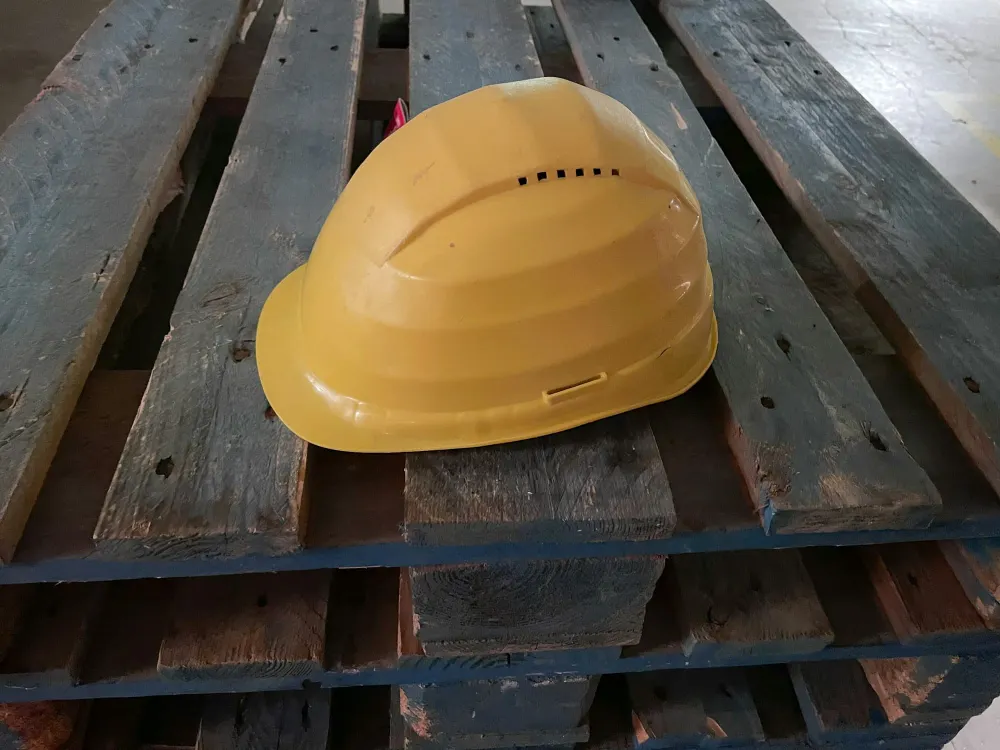
- Wear fully enclosed, sturdy shoes. That's the minimum. Ask whether the builder wants you in a hard hat and high-vis at particular stages. Some builders supply them.
- Follow the site rules. Ask what they are. You may need to sign in or be accompanied by the supervisor.
- Leave the kids and pets at home, or keep them in the car.
- Stay off ladders, scaffolds and roofs. Inspect the roof from the ground, from a window or through your inspector's photos. No checklist item is worth a fall.
- Check the weather. Rain makes slabs and frames slippery and hides detail.
- Watch for machinery. Excavators, bobcats and delivery trucks have big blind spots.
One more point: if you're hurt on a site you entered without permission, you may struggle to claim against anyone.
Site etiquette that keeps your builder onside
When visiting your building site, a good relationship with your supervisor gets problems fixed faster than any clause in the contract. A few habits help:
- Don't instruct the trades. Anything you tell a tradesperson is, at best, an unrecorded variation. Go through the supervisor.
- Don't touch, move or "fix" anything. Not the sediment fence, not the temporary downpipes, not the materials. Photograph it and report it.
- Respect their hours. A Friday-night call about something minor rarely helps.
- Bundle your questions. One email with everything in it beats five texts in an hour.
- Save "urgent" for real urgency. Safety, water getting in, or a problem about to be covered.
- Don't bring gifts as leverage. A box of cold drinks for the crew is a kind gesture. Expecting favours for it isn't.
Supervisors on project homes often run many houses at once. Demanding more of their time than your job needs doesn't buy a better house.
What to bring
You don't need a ute full of gear when visiting your building site. The basics:
- your phone with the plans, specification, signed variations and the stage checklist loaded
- a torch, a tape measure and a small spirit level
- painters' tape and a marker for tagging issues
- a notebook and pen
I go through the full kit in The Homeowner's Site Inspection Toolkit.
Record what you see
Every site visit should leave a record. Dated photos and short notes are your evidence if something goes wrong later.
- Take a wide shot and a close-up of anything that concerns you, with a tag or tape measure in frame.
- Write down who you spoke to and what was agreed.
- Keep it in one place, whether that's an app, a spreadsheet or a notebook.
The Site Diary Done Right explains what to record and how to make your photos useful.
Raising what you find
Don't argue on site. Note it, photograph it and move on.
Then, the same day, email your supervisor a short summary: each issue, where it is, the photos and what you're asking for. Ask for a written response by a set date, and before the work is covered.
Builders act faster when the paperwork arrives before they've finished for the day. A calm, factual email gets results. An angry one gets put to the bottom of the pile.
The short version
Visiting your building site is your right as the customer, but it happens on the builder's terms. Agree the rules before site start, visit by appointment at each stage and hold point, and stay safe while you're there. Record what you see and raise issues in writing the same day.
Turn up prepared, keep it professional, and your site visits will do more for your house than any number of drive-bys.
FAQs
Can my builder stop me visiting my own site?
Your contract usually sets the access rules, and most require you to visit by arrangement. A builder shouldn't refuse reasonable stage visits, but turning up unannounced can breach your contract. Check the access clause in yours.
How often should I visit my building site?
At each construction stage and before each progress payment, plus hold points like pre-pour and pre-plasterboard. A fortnightly meeting with your supervisor keeps things moving.
Can I bring my own building inspector?
Yes, but arrange it with the builder first, just as you would your own site visit. Book inspections at the hold points so problems are found before they're covered.
Should I talk to the trades on site?
Say hello, by all means. But direct any instructions or concerns through your supervisor, in writing, so there's a record and nothing becomes an unpriced variation.