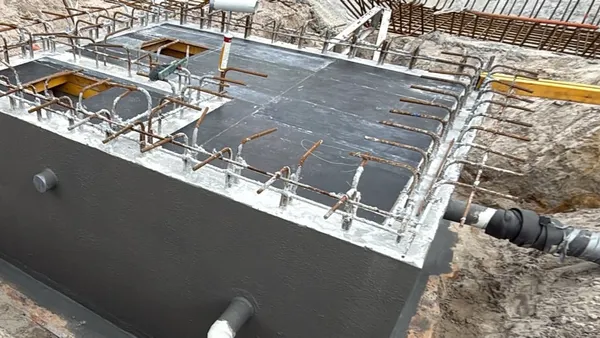
A house and land package is sold as one neat price: a block, a design that suits it, and a builder ready to go. It saves you a long land search, and for a lot of first-home buyers it's the easiest way into a new home.
But the neat price hides a few things. Most packages are two separate contracts, the land often isn't titled yet, and the advertised number rarely includes everything you'll pay. Here's what I'd check before signing.
C1 - Before Buying Land Checklist
Free
Last updated 15 Oct 2026 · Revision 2 · Free updates for life
Checklist Type: Minor
Form Factor: Fillable, print-ready PDF (A4, 10 pages)
When to use: Pre-purchase (before you sign)
A 42-point checklist to compare blocks before you buy. Check zoning, services, soil, overlays and noise so you know what to plan and budget for before you sign.
A house and land package is usually two contracts
In most cases you sign:
- A land contract with the developer, or the developer's agent.
- A building contract with the builder.
They're marketed together, but legally they're different deals. They have different sellers, different deposits, different conditions and different ways to get out.
Ask two questions in writing:
- What happens to the building contract if the land contract falls over?
- What happens to the land contract if finance or the building contract falls over?
If nobody can answer clearly, get your solicitor to review both contracts together before you sign either one.
Check the land as if you were buying it alone
The package does the matching for you, but don't skip the land checks. The builder chose the design for the lot. You still own whatever the lot throws at you.
- Slope and fill. How much cut, fill and retaining will the house need?
- Soil. Has a soil test been done for this lot, or is the price based on an assumption?
- Easements and services. What's on the title, and where do the sewer, stormwater and power run?
- Overlays. Flood, bushfire and other overlays can add cost and change the design.
- Orientation. Does the design suit the block's aspect, or will your living areas face the wrong way?
Our free C1 Before Buying Land checklist walks through these. There's more in 21 checks before you buy land.
Land that isn't titled yet
Most estate land is sold off the plan, as a proposed lot. It doesn't legally exist until the developer finishes the civil works, council endorses the plan and the survey plan is registered. Only then can you settle.
Under the Land Sales Act 1984, the seller must give you a disclosure plan and a signed disclosure statement before you sign, and must settle within 18 months. Money you pay towards a proposed lot must be held in a trust account until settlement.
Since 22 November 2023, a seller of a proposed lot can't use a sunset clause to end the contract unless you consent in writing after proper notice, or the Supreme Court orders it. If your package is structured differently, ask your solicitor how these rules apply to your contracts.
Why this matters to your build: you can't start building until the land is titled and settled. Ask the agent what stage the civil works are at and whether council has endorsed the plan. Those answers tell you more than the brochure date.
What the package price may not include
Advertised package prices usually assume a particular lot, design, façade and inclusion level. Check each of these:
- Site costs. Is there a site cost allowance with limits, fixed site costs, or provisional sums? Anything over the limits is extra.
- Estate covenants. Many estates require a set façade, roof, garage, driveway, fencing or front landscaping. These can add thousands if the base design doesn't comply.
- Connections. Water, sewer, power and NBN connections and meters.
- The usual exclusions. Driveway, fencing, landscaping, floor and window coverings, flyscreens and air-conditioning.
- Upgrades in the marketing photos. The image is not the specification.
Get the estate design guidelines before you sign the land contract. Ask the builder to confirm in writing that the price includes everything needed to comply with them.
Line up the dates
This is where packages go wrong most often. Put every date on one page:
- Expected land registration and settlement
- Finance approval date
- Building contract price-hold expiry, and what triggers a re-price
- Cooling-off end date
- Selections cut-off
- Expected site start
A price hold that runs out before the land is titled can mean a re-price to the builder's current base price. Ask when the hold starts, what it covers and what ends it, and get the answer in the contract.
The builder also won't allocate a site start until you can show proof of land ownership and your lender confirms the funds. Slow land plus slow finance means a later start and more months of rent.
Deposits, cooling-off and the grant
On the building contract, Queensland law caps the deposit at 5% for contracts of $20,000 or more, with a narrow exception for mostly off-site work. Never pay more than the legal maximum.
You can usually withdraw from a building contract within five business days of receiving the full signed contract and the QBCC Consumer Building Guide. The catch: if you got formal legal advice on the contract before signing, you lose that right. The land contract has its own rules, so ask your conveyancer about those.
If you're relying on the $30,000 First Home Owner Grant, the total value of land plus home must be under $750,000, and that includes variations after signing. Upgrades can push you over the cap and cost you the grant. Check the current rules with the Queensland Revenue Office.
Check the builder behind the house and land package
The package is still a building contract with a builder you'll deal with for months. Do the same homework you'd do if you'd found the land yourself.
- Search the builder's licence and record on the QBCC website.
- Ask to see homes under construction, not just the display.
- Compare the inclusions list against a second builder's.
Our C4 Asking the Right Questions checklist covers this, and builder or land first explains the trade-offs of each path.
The short version
A house and land package is usually two contracts, sold together, with separate rules. Check the land as carefully as if you'd found it yourself, price everything the package leaves out, and make sure the land, finance and price-hold dates actually line up. Then check the builder.
Have a solicitor review both contracts together, and talk to your lender early, before you sign anything.
FAQs
Is a house and land package one contract or two?
Usually two: a land contract with the developer and a building contract with the builder. Ask what happens to one if the other falls over.
Can I start building before the land is titled?
No. The land has to be registered and settled first, and your lender will want the title before it funds the build.
Does the package price include site costs?
Sometimes only up to set limits. Ask for the soil test, survey and a written list of what's fixed, what's provisional and what's excluded.
Can the developer cancel my contract if registration is late?
For proposed lots in Queensland, a seller can't use a sunset clause to terminate without your written consent or a Supreme Court order. Ask your solicitor how this applies to your contract.