

If you've caught any news lately, you'll have heard plenty about the Productivity Commission's housing construction report. There's another report I think matters more, and it's had far less attention.
Released in September 2024, A National Roadmap for Improving the Building Quality of Australian Housing Stock (AHURI Final Report No. 426) comes from AHURI, the Australian Housing and Urban Research Institute: an independent, not-for-profit research network of Australian universities. Here's what it says and what it means for your build, so you don't have to read the whole thing.
Our goal is to help you understand what this roadmap means for everyday homeowners, prospective buyers, and anyone involved in the construction world, without forcing you to wade through hundreds of pages of report detail.
Why building quality matters
Why does building quality need a roadmap? A well-built home doesn't just look nice. It costs less to run, reduces health risks like mould and poor air quality, and holds its value.
Here are a few reasons building quality matters so much:
- Energy Efficiency: When a house is well-insulated and designed to make the most of natural light and ventilation, you’ll see a difference in your power bills—and in your carbon footprint.
- Health & Well-being: Things like proper ventilation, reduced dampness, and balanced indoor temperatures can cut down on issues that impact your physical and mental health.
- Financial Security: High-quality construction can spare you from expensive repairs down the line and protect your home’s value in the long run.
- Regulatory Compliance: Knowing what standards and codes your builder should meet helps you ask the right questions—and hold them accountable if something’s not right.
Background and context
About AHURI and the report
AHURI does research to help shape housing policy, working with universities, industry and government. Rather than just listing problems, this roadmap sets out practical strategies to make sure the homes we build, and the ones we already have, meet solid quality standards.
The question is, is anybody listening to reports like this one?
Current Housing Challenges
There's no single cause. It's a mix of factors:
- Design Shortcomings:
Not all Australian homes are designed with climate, comfort, or future adaptability in mind. Poorly insulated or badly oriented houses can be a nightmare in both summer and winter. Plus, if a home isn’t designed for longevity, renovations later can become costly. - Inconsistent Regulations:
While there is a National Construction Code (NCC), each state or territory can apply it differently. This patchwork approach leads to uneven outcomes. Builders working across regions might find themselves juggling different rules and compliance standards. - Workmanship and Quality Control:
It’s a sad fact, but not every builder follows best practices or stays current with the latest standards. Mistakes can slip through the cracks—especially under tight timelines—leading to costly defects like leaks, structural cracks, or poor energy efficiency. - Ageing Housing Stock:
Many existing Australian homes were built decades ago, before current environmental and health considerations were common practice. Upgrading these older properties can be expensive, so owners often postpone or avoid crucial improvements. - Knowledge Gaps:
Many homeowners are unaware of building regulations, Australian Standards or the warning signs of poor construction. Problems often show up only after major damage or discomfort occurs—and by then, fixing them can be expensive.
 Anthony Painter

Not having easy access, pay walled access makes education a difficult proposition
Key themes and findings
After reviewing the AHURI roadmap, a few major themes emerge as crucial for improving housing quality across Australia:
Regulation and compliance
The report argues that consistent, well-enforced rules would drastically improve housing quality.
- Why It Matters: Properly enforced codes ensure safer, more durable homes. They also create a level playing field for builders, as everyone must meet the same requirements.
- Challenges: Varying interpretations and enforcement of the National Construction Code (NCC) across different states and territories lead to inconsistent outcomes.
- Proposed Fixes: The roadmap calls for better alignment nationwide and stronger checks to ensure builders actually follow the rules.
Design and construction quality
Ever lived in a house that was roasting in summer and freezing in winter—despite relatively mild weather outside? That’s a sign of poor design. The AHURI report highlights how design and construction methods massively affect comfort and performance.
- Design Pitfalls: Common mistakes include poor insulation, inadequate ventilation, and not leveraging natural sunlight. These issues can spike energy bills and make living spaces uncomfortable.
- Materials and Craftsmanship: Even the best designs fall flat if builders cut corners or use low-quality materials. Strong regulations help, but selecting reputable professionals is also key.
- Encouraging Innovation: Adopting cutting-edge materials and methods—like modular or prefab construction—can improve consistency, speed, and quality.
Sustainability and energy efficiency
- Environmental Imperatives: Extreme weather events underscore the need for homes that handle fluctuating climates. Lowering emissions and using resources wisely help both the planet and your wallet.
- Government Incentives: Federal and state programs often offer rebates or financial support for things like solar panels, insulation upgrades, or energy-efficient appliances.
- Retrofits and Upgrades: You don’t need a brand-new home to go green. Smaller changes—like better insulation or switching to LED lighting—can noticeably cut energy usage.
Occupant health and wellbeing
Since we spend so much time at home, poor housing conditions can directly impact health—both physical and mental.
- Common Health Hazards: Dampness, mould, and poor ventilation contribute to respiratory problems and other chronic issues.
- Design for Comfort: The report pushes for a holistic approach, ensuring that homes are not just code-compliant but actually comfortable and nurturing environments.
- Ongoing Maintenance: Even a well-built home needs routine checks and repairs—like cleaning air filters or repairing minor leaks—to maintain a healthy environment.
Economic and social implications
Housing quality doesn’t just affect individuals—it has a ripple effect on communities and the broader economy.
- Property Values: Homes that meet modern standards tend to keep their value better and can be easier to sell.
- Insurance and Liability: Subpar construction leads to problems like structural failures or water damage, which can spike insurance premiums for everyone.
- Community Resilience: When homes are built to higher standards, entire neighbourhoods become more resilient, reducing public health issues and strengthening local economies.
 Anthony Painter

 Anthony Painter

The proposed roadmap
So what does AHURI actually recommend? Coordinated steps across policy, industry practice and the community, rather than scattered efforts.
Goals
The roadmap aims for homes that are:
It says that homes should be:
- Safe and Healthy: Minimising hazards and promoting well-being.
- Sustainable and Energy-Efficient: Future-proofed against rising costs and environmental pressures.
- Accessible and Inclusive: Catering to various household sizes, ages, and mobility needs.
- Consistently Regulated: Clear, enforceable guidelines so that anywhere you build, you can expect high standards.
Strategic recommendations
- Harmonise Building Codes and Standards:
Streamline regulations across states to reduce confusion and encourage consistency. - Strengthen Compliance and Enforcement:
More rigorous inspections and better-trained inspectors catch problems before they become major headaches. - Incentivise Quality and Innovation:
Builders who exceed minimum standards could get tax breaks or quicker approvals, encouraging new building methods. - Promote Continuous Professional Development:
Ongoing training for builders and trades ensures they’re updated on the latest techniques and materials. - Engage Homeowners and Communities:
Making easy-to-read guides and official checklists accessible empowers everyday Aussies to make well-informed decisions.
 Anthony Painter

We’re pretty fired up about construction quality—and we’re not alone! This report backs up our concerns and shows that better building standards are a must.
Implementation
Putting these ideas into practice involves short-term actions—like pilot programs for sustainable materials—and a long-term vision, including nationwide retrofitting strategies for aging homes. The report also emphasises regular reporting on progress, so we know what’s working and what’s not.
What it means for your build
Building regulations can feel like someone else's problem, but if you're building, they affect you every day, from your power bill to how safe your home is.
- Comfort and Livability: Proper insulation and smart design can keep your house comfortable year-round without breaking the bank on heating and cooling.
- Long-Term Savings: High-quality materials and construction mean fewer repairs and longer-lasting components, saving you money in the long run.
- Boosting Property Value: Homes built or renovated to high standards can sell faster and often fetch better prices, reflecting the added value of solid construction.
 Anthony Painter

In this post we review and discuss housing livability and solutions
Practical steps
- Ask the Right Questions: Grill your builder on materials, insulation, and whether they exceed minimum code requirements.
- Do your research: the Australian Government's YourHome guide and energy.gov.au have good advice on building efficiently. In Queensland, the QBCC website is the key reference for homeowners.
- Hire Qualified Professionals: Seek licensed builders and tradespeople who stay current with the latest building codes.
- Engage consultants: yes, they cost money, but they're worth it. Energy assessors, building scientists and independent project managers can lift your home's quality. Many residential builders skip them to save time and cost, and it shows.
- Inspections and Checklists: Consider independent inspections at key stages to catch any issues early on.
Shameless plug: our stage checklists (C1 to C23) are more detailed than most inspection reports. Preview any of them free on our Checklists page, then buy the ones you need.
Who to contact
In Queensland, a private building certifier usually issues your building approval and carries out the mandatory stage inspections. Your council handles planning matters, and the QBCC licenses builders and handles complaints about defective work.
- Reporting concerns: suspect something's wrong in your build? Speak up. Raise it with your builder in writing first; if it isn't resolved, the QBCC is your first port of call in Queensland.
- Leverage Free Information: Many councils host free workshops or webinars on sustainable design or renovation planning. These can be a goldmine of useful tips.
Check out our glossary, one of the largest construction glossaries around, and our AI tools that make it easy to get answers to your questions.
The hurdles
Better building isn't free, and the report doesn't pretend it is. The main obstacles:
- Cost: better insulation (higher R-values), better materials and best-practice construction cost more upfront, though lower energy bills and fewer repairs usually pay it back.
- Skills: not every builder or trade keeps up with current standards, and many homeowners don't know which corners shouldn't be cut. The report calls for ongoing training and better guides for consumers.
- Patchy enforcement: states and territories apply the NCC differently, and inspections are limited by time and staff. Regulations mean little if they aren't enforced, so the roadmap pushes for clearer penalties and consistent standards.
 Anthony Painter

Yep, we've talked about builder training before too.
 Anthony Painter

In this post we get down and detailed on insulation.
Looking ahead
The report expects more prefabricated and modular construction, homes designed for their climate and for extreme weather, and more focus on ventilation, natural light and noise. None of that replaces getting the basics right.
 Anthony Painter

 Anthony Painter

The bottom line
When our houses are built (or renovated) to a high standard, we enjoy greater comfort, lower energy bills, fewer health risks, and a stronger sense of security about our most significant financial investment.
You don't have to be an expert to influence the quality of your home. Ask the right questions, invest in energy efficiency where it counts, and get independent eyes on the key stages. It won't happen overnight, but better homes start with owners who expect them.
FAQS
- What is the National Construction Code (NCC), and why is it important?
The NCC sets the minimum requirements for safety, health, and sustainability in Australian buildings. It’s basically the rulebook that guides builders and architects on everything from structural integrity to fire safety. If you’re building or renovating, you’ll want to make sure your project meets or exceeds these standards—doing so can save you money and hassle down the track. - How can I ensure my builder follows the latest quality standards?
A good first step is to hire a licensed builder with a strong track record and up-to-date accreditations. Don’t be shy about asking questions: What materials will they use? How often do they attend training or professional development? Independent inspections at key stages of construction (like slab pour, framing, and finishing) can also catch issues early. - Is there a central body regulating building quality in Australia?
While the Australian Building Codes Board develops the NCC, each state or territory enforces it differently. There isn’t a single, all-powerful body that enforces building standards; instead, you’ll find a network of government agencies, local councils, and professional associations overseeing different aspects of compliance. - Who checks building work in Queensland?
In Queensland, a private building certifier usually issues your building approval and does the mandatory stage inspections, while councils handle planning. If you think work is defective, raise it with your builder in writing, then go to the QBCC.
Further Reading
 Questions to Ask When Choosing a BuilderHiring the right builder is essential for a successful project. In this post, we discuss our “Qualify Your Builder” checklist. These questions will help you assess a builder’s experience, quality practices, & project management skills, so you can make an informed decision before signing a contract.
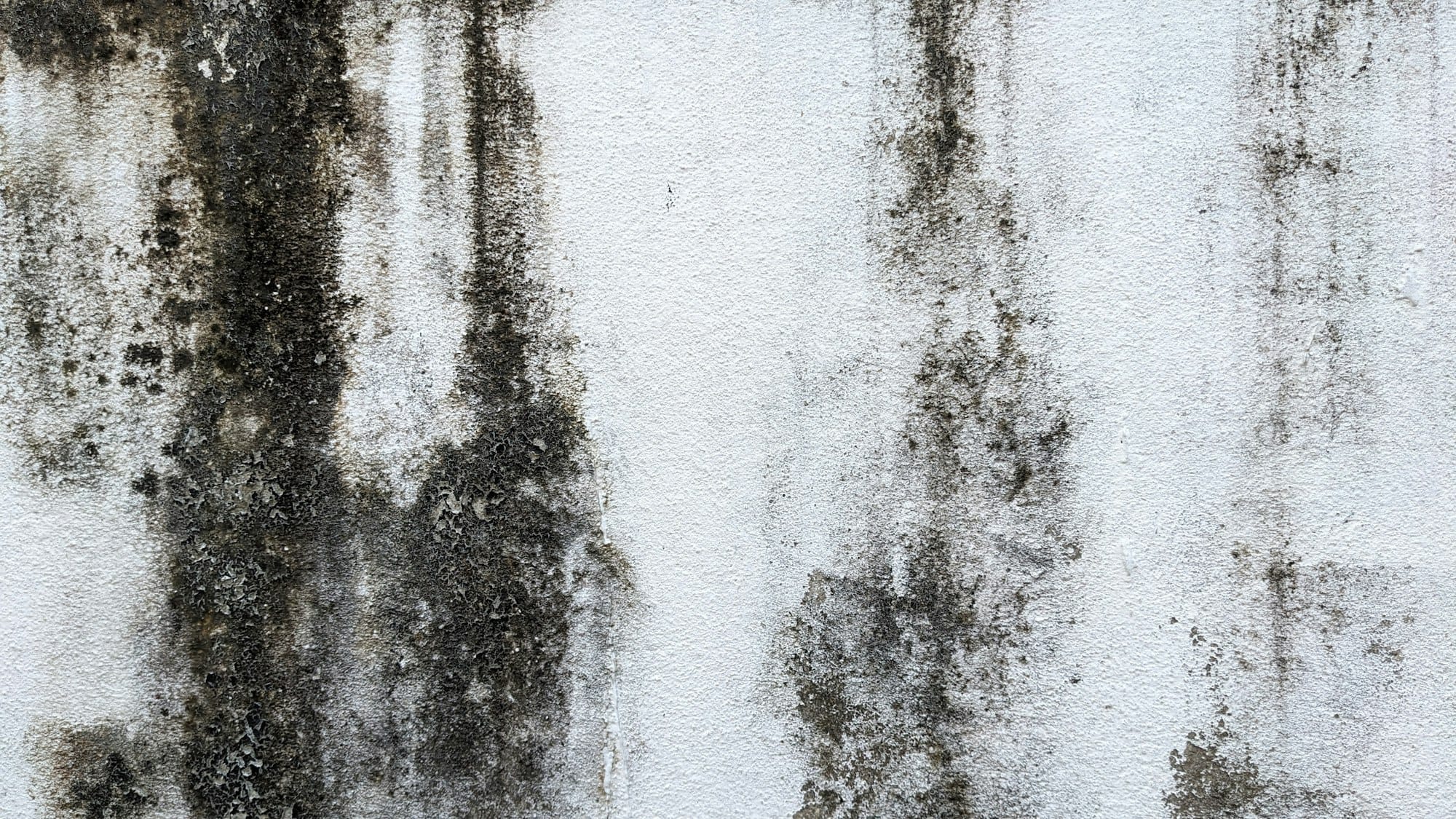 Mould Crisis in Oz Homes: Understanding a Condensation IssueExplore the growing mould issue in Australian homes caused by condensation. This article discusses the lack of regulatory oversight, the science behind condensation, its impact on health and homes, and the urgent need for improved building practices and standards.
 Mastering Energy Efficiency: Air Sealing & Insulation TipsBuilding an energy-efficient home is more than just a trend; it’s a responsibility. Dive into the intricacies of air sealing, insulation, and the importance of thermal mass. Discover how these elements can drastically reduce energy consumption and promote sustainability.
 Optimizing the 4 Control Layers for High-Performance HomesBuilding an energy-efficient home requires a good understanding of the four control layers: water, air, vapour, and thermal. In this post we look into how project builders can optimise these layers, ensuring homes are comfortable, sustainable, and cost-effective.
 Building Smarter in the Heat: Lessons Australia Can Learn from TexasDiscover how Australia can build smarter, more energy-efficient homes by learning from Texas. From thermal mass to ventilation, this article explores advanced techniques that regulate indoor temperatures and slash energy costs.


