
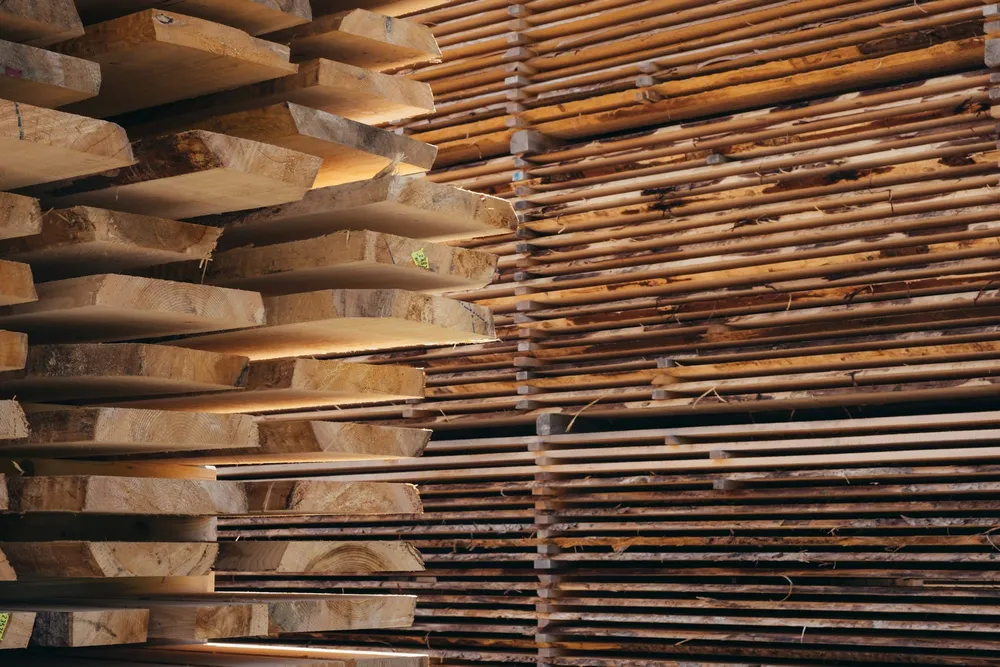
Treated pine is the go-to timber for frames, decks, pergolas, retaining walls and garden beds, because it resists rot and termites where untreated pine would fail. Here's how it's treated, which hazard class to use where, and how to work with it safely.

C7 - Frame Stage Inspection Checklist
$119.00 AUD
Last updated 12 Oct 2026 · Revision 2 · Free updates for life
Checklist Type: Major (Frame Stage)
Form Factor: Fillable, print-ready PDF (A4, 20 pages)
When to use: Frame stage: after the frame and trusses are up, before linings go in
A 136-point frame stage checklist. Check walls, trusses, bracing, tie-downs and plan features against your drawings before the linings go in, while changes are still simple.
What is Treated Pine?
Preservative treated pine is pine that's been impregnated with chemicals to fight off fungi, termites and borers. It isn't just a surface coating: the preservative penetrates into the timber, which is why treated pine lasts far longer outdoors than untreated pine. It's used for everything from pergolas and decks to cladding, retaining walls, posts and poles.
Why Treated Pine?
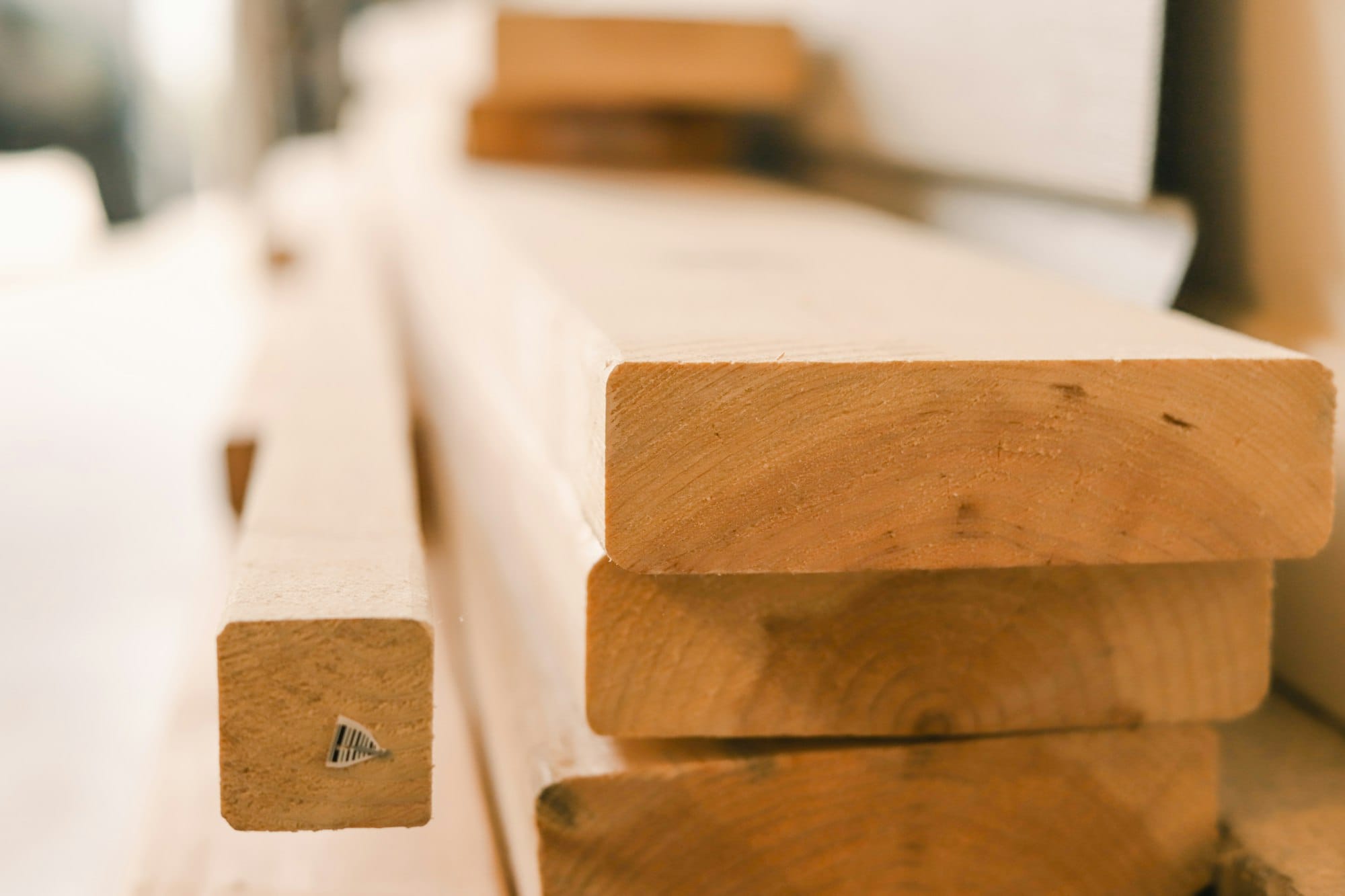
Understanding the importance of treated pine involves recognizing the weaknesses of its untreated form. Pine, especially its sapwood, is naturally susceptible to insects and fungi when it's left outdoors or in damp areas. Because of its structure, full of moisture and starch, it's prone to decay, which weakens its strength and lifespan.
Treatment impregnates the timber with fungicides and insecticides, so it can handle conditions that would otherwise rot or eat it out in a few years.
Stay tuned as we dive deeper into making informed decisions for your construction and landscaping endeavors with treated pine.
Types of Preservatives Used in Treated Pine
Not all treatments for pine are the same in defending against nature and pests. The type of preservative used is crucial for ensuring the wood lasts in different situations. Generally, preservatives come in three types: water-based, solvent-based, and oil-based, each with unique traits and recommended uses.
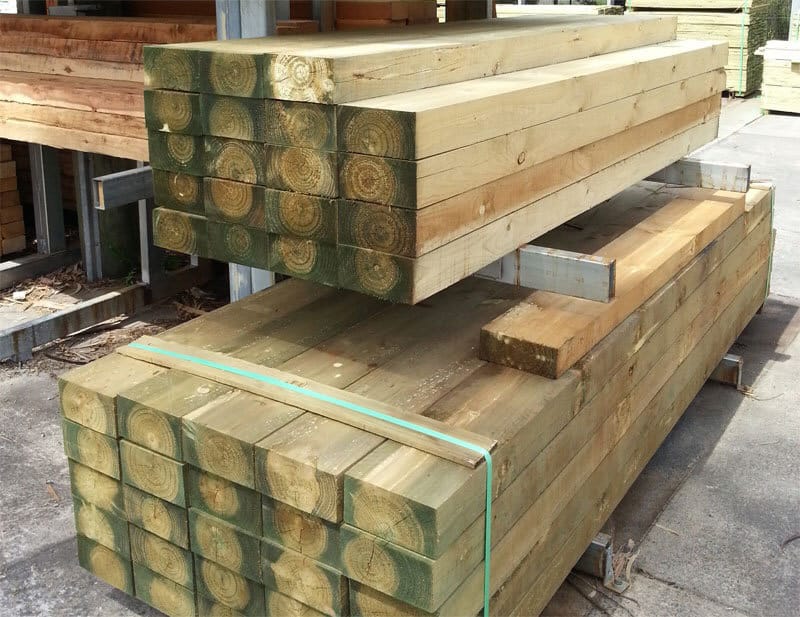
- Water-borne preservatives: these include Copper Chrome Arsenic (CCA), Alkaline Copper Quaternary (ACQ) and Copper Azole (CuAz). They're mixed with water and forced deep into the timber, and they're effective against decay and insects in a wide range of outdoor uses. They don't protect against weathering, so the timber still needs a finish. Since 2006, CCA-treated timber hasn't been allowed for decking, handrails, garden furniture, picnic tables or children's play equipment (APVMA), so for garden beds and anything people touch regularly, choose ACQ or copper azole.
- Solvent-borne preservatives: Light Organic Solvent Preservatives (LOSP) use a solvent to carry the fungicides and insecticides. They leave the timber's colour largely unchanged, so they suit jobs where you want the natural look of pine. They give long-lasting protection above ground but aren't suitable for ground contact.
- Oil-borne preservatives: creosote and Pigment Emulsified Creosote (PEC) penetrate deeply and resist severe decay and marine borers, so they're used for heavy-duty jobs like railway sleepers and utility poles. Their oily surface and strong odour make them unsuitable for homes and gardens.
Choosing the Right Treated Pine for Your Project
The key to your project's success isn't just picking treated pine but selecting the right type of treated pine. It all depends on the particular challenges your project will encounter, like moisture, bugs, and contact with the ground. To help with this decision, there's a system called the "hazard class," which guides you in choosing the suitable treatment level:
- H1 and H2: indoor, above ground and dry. H1 protects against borers; H2 also protects against termites. H2F "blue" envelope-treated framing is only approved south of the Tropic of Capricorn. North of it (Central and North Queensland), framing needs full H2 treatment.
- H3: Ideal for outdoor above-ground applications, protecting against decay, borers, and termites.
- H4: Designed for ground contact, offering robust protection against severe decay and pests.
- H5 and H6: Reserved for the most demanding conditions, including fresh water and marine applications, providing the highest level of protection.
Treatment Processes Explained
The success of treated pine depends not just on the chemicals but also on how it's treated. The aim is to make sure the preservatives penetrate deeply and evenly. The most popular method, called vacuum-pressure impregnation, includes these steps:
- Preparation: The wood is dried to a specific moisture content to optimize preservative uptake.
- Initial Vacuum: Air is removed from the wood's cells to facilitate deeper preservative penetration.
- Preservative Application: The preservative is introduced under pressure, ensuring it permeates the wood thoroughly.
- Final Vacuum: Excess preservative is removed, enhancing the wood's handling and performance.
This thorough process ensures that treated pine can fend off biological threats for many years, even decades, making it a dependable option for construction and landscaping endeavors.
Maintenance and Care for Treated Pine
Even though treated pine naturally fights decay, insects, and weather damage, it still greatly benefits from regular upkeep, just like any wood. Taking care of it prolongs its lifespan and keeps its good looks intact. Here are some ways you can maintain treated pine:
- Finishing: Although treated pine is engineered for durability, applying a suitable finish can enhance its resistance to weathering. For water-borne treated pine, acrylic paints or stains are recommended due to their flexibility and durability under varying weather conditions. Solvent-borne treated products, which retain the natural look of pine, may be finished with clear water repellent solutions to maintain their appearance while providing protection against moisture.
- Regular Inspection and Maintenance: Periodically check for signs of wear, such as cracking or splitting, which are common as the wood ages and is exposed to the elements. Early detection allows for timely refinishing or repair, prolonging the wood's life.
- Cleaning: Keep treated pine surfaces clean from dirt, debris, and algae, which can hold moisture against the wood, promoting decay. A mild soap solution and a soft brush can effectively clean most treated pine surfaces without damaging the wood or its finish.
Safety and Environmental Considerations
Working with and disposing of treated pine requires consideration of its chemical treatments for both personal safety and environmental protection.
- Handling Precautions: When cutting, sanding, or drilling treated pine, always wear protective gear such as gloves, masks, and goggles to prevent exposure to dust and chemicals. Work in well-ventilated areas to minimize inhalation of any particulate matter.
- Disposal: Treated pine should never be burned, as this can release toxic chemicals into the air. Instead, dispose of off-cuts or waste material through local waste management facilities that can handle treated wood. Some regions offer recycling or special disposal services for treated wood, reducing its environmental footprint.
- Environmental Impact: The preservatives in treated pine can have environmental implications, particularly if the wood comes into direct contact with soil or water bodies. Selecting products treated with newer, less toxic preservatives such as ACQ or Copper Azole can mitigate these concerns. Moreover, the durability of treated pine means less frequent replacement and, consequently, a reduced demand for raw timber resources, aligning with sustainable use principles.
- Download a typical H2 treated pine Safety Data Sheet (SDS) below
FAQs
Can treated pine be used for vegetable gardens?
- Yes, with care. Don't use CCA-treated timber for garden beds. Choose ACQ or copper azole treated pine, and consider lining the inside of the bed with plastic so the soil isn't in direct contact with the timber.
How often should treated pine be repainted or restained?
- Typically, treated pine should be refinished every 2-5 years, depending on exposure to elements and the type of finish used.
Is treated pine safe for indoor use?
- Yes, especially when using newer treatments with lower toxicity levels. However, ensure the space is well-ventilated, particularly soon after installation.
Can treated pine be recycled?
- Recycling options vary by region, so check with local waste management authorities for guidelines on recycling or disposing of treated pine.
What safety precautions should I take when handling treated pine?
- Always read the Safety Data Sheet (SDS) for the product and do a quick risk assessment. Some people react to the chemicals more than others. In my experience, wear gloves because it irritates skin, and always wear a dust mask and eye protection when cutting, especially when the wind blows dust around. It can irritate your eyes and throat. There's a reason termites don't like it (they're not stupid), so don't shower in the stuff either.
Further Reading
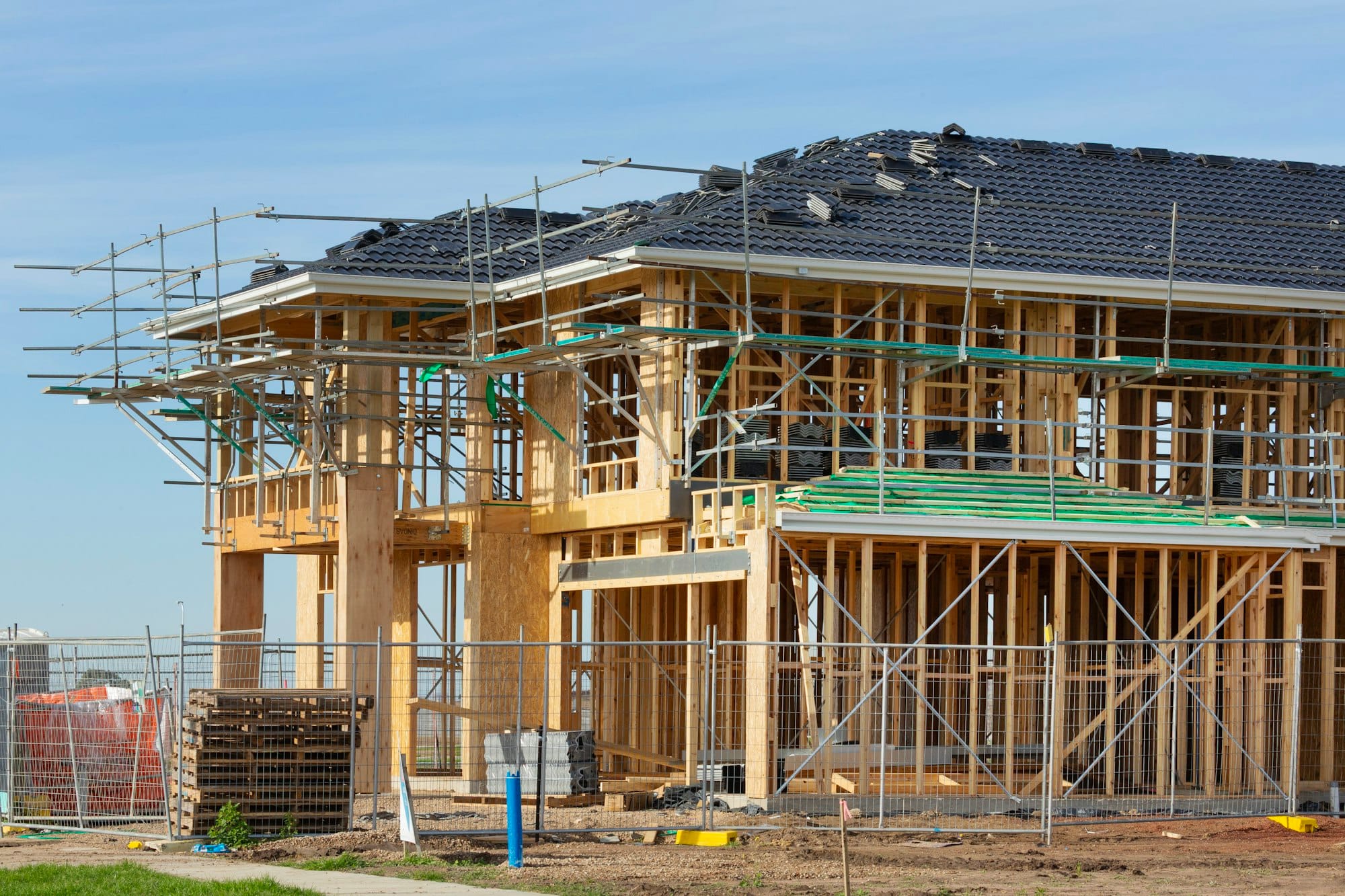 Understanding Treated Pine in Residential ConstructionAs structural pine timber isn’t naturally durable, it’s susceptible to fungi, insects, and weathering. Adding preservative chemicals increases its durability, making treated pine timber ideal for various applications like pergolas, decks, and retaining walls.
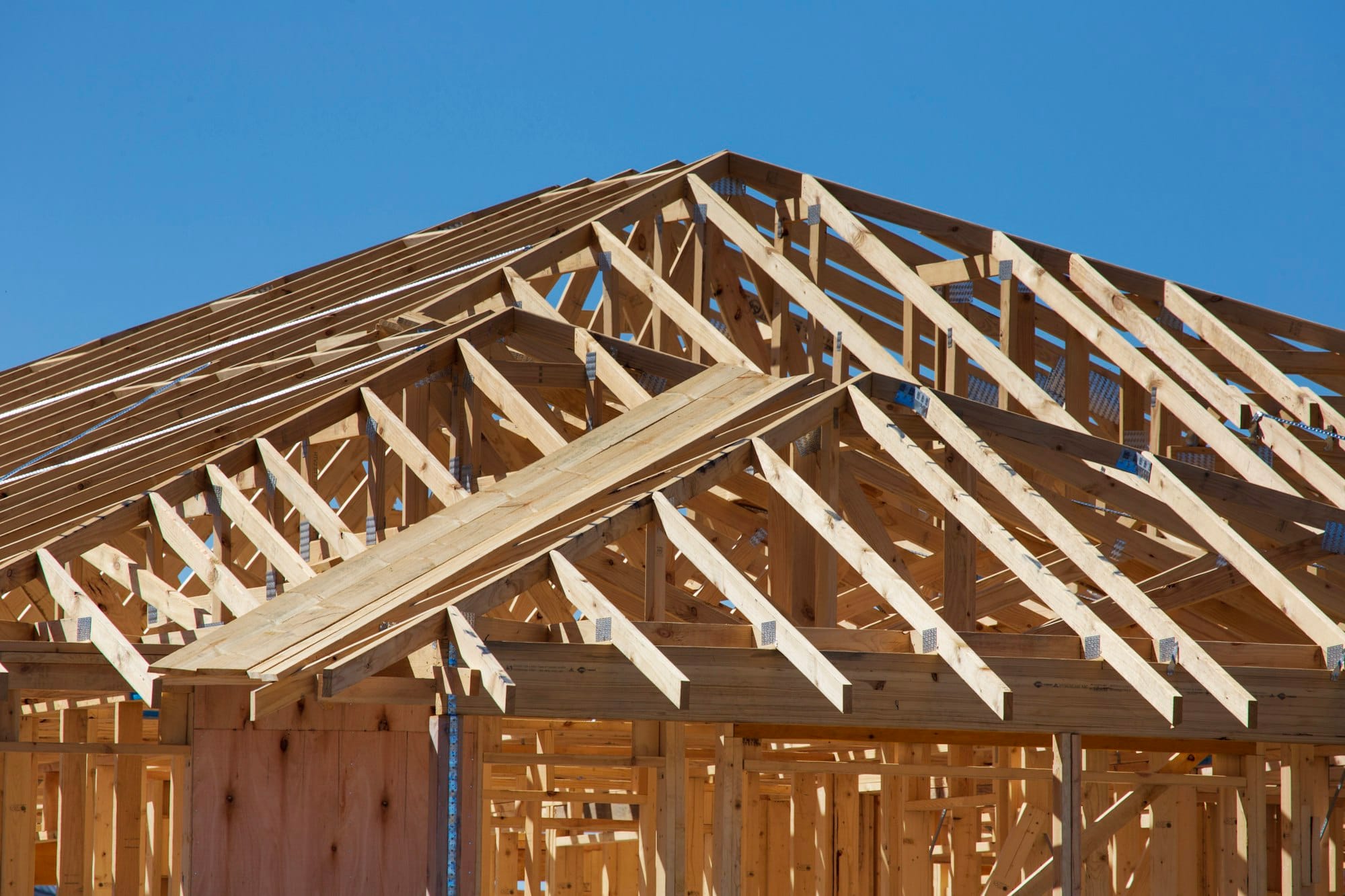 Framing Timbers: Choosing Between 90x35 MGP & LVL timberChoosing the right framing material is crucial in construction. This detailed guide compares the 90x35 MGP framing timber and the LVL laminated veneer lumber, to help you make an informed decision. We discuss the properties, advantages, and potential drawbacks of each option.
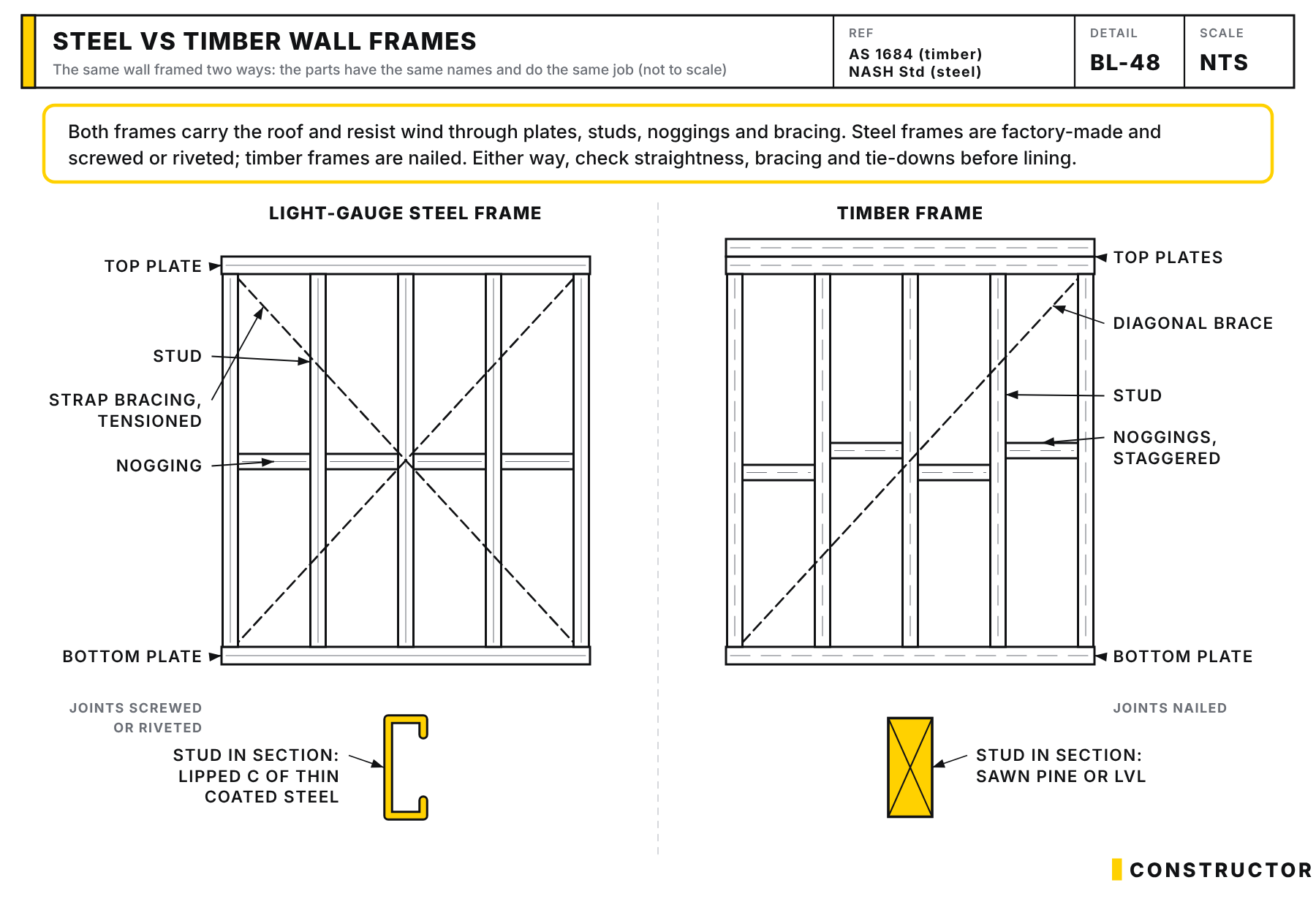 Timber vs Steel: Choosing the Best Frame 4 Energy EfficiencyExplore the debate between timber and steel framing for energy-efficient homes. This article examines the insulation, thermal mass, and lifetime costs of both materials, helping homeowners make an informed decision for their dream home based on climate, longevity, and energy savings.
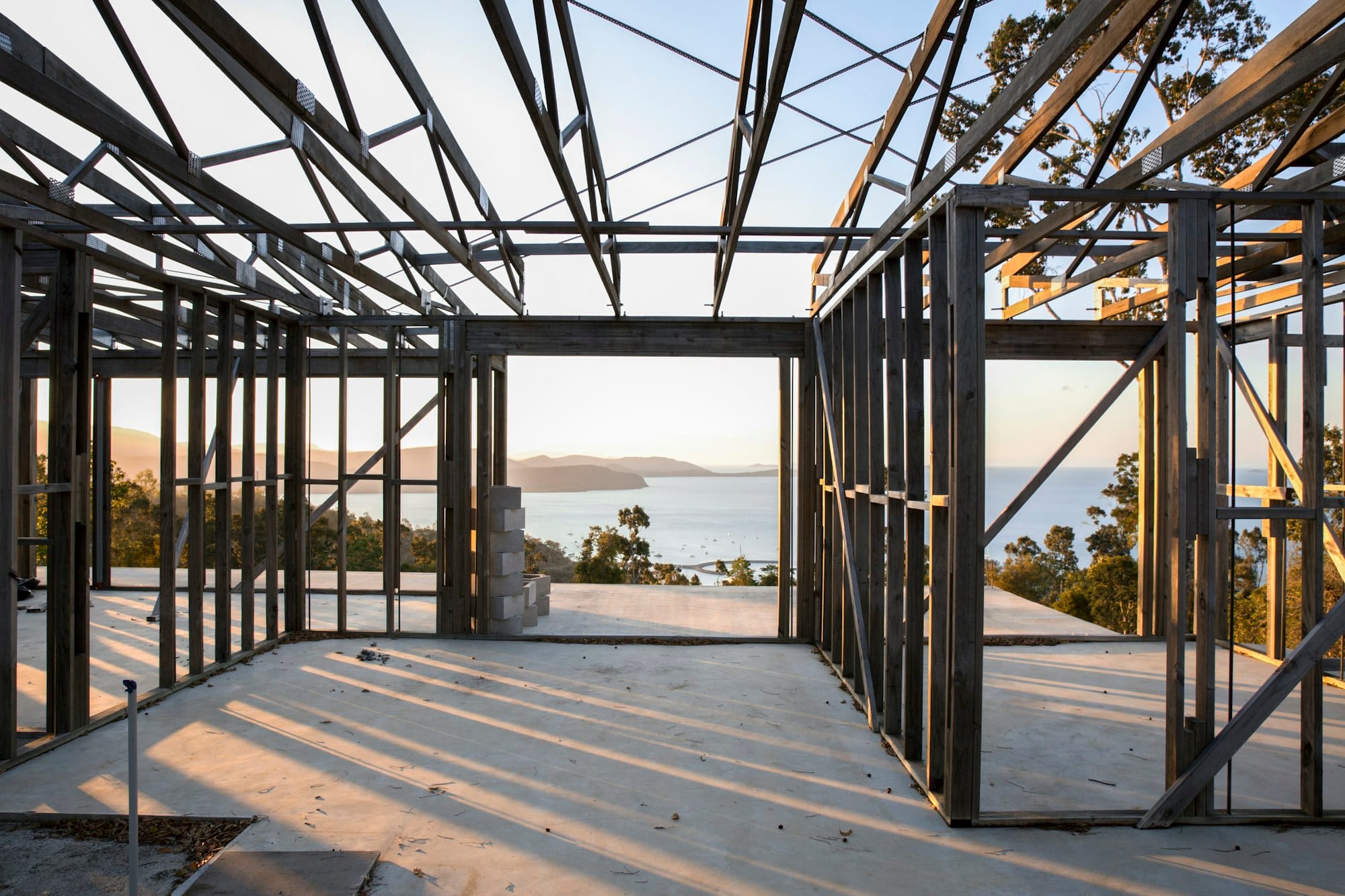 Timber vs Steel Framing: Choosing for Your HomeExplore the choice between timber and steel for lightweight framing in home construction. This guide compares their benefits, from environmental impact to cost and durability, helping you make an informed decision for your sustainable, efficient, and aesthetically pleasing home design.
 Complete Guide to Building a Timber Retaining WallThinking of building a timber retaining wall? Constructor’s comprehensive guide covers everything from choosing the right timber to design considerations and maintenance tips. Learn how to ensure your wall’s longevity and effectiveness. Don’t miss out on expert advice!
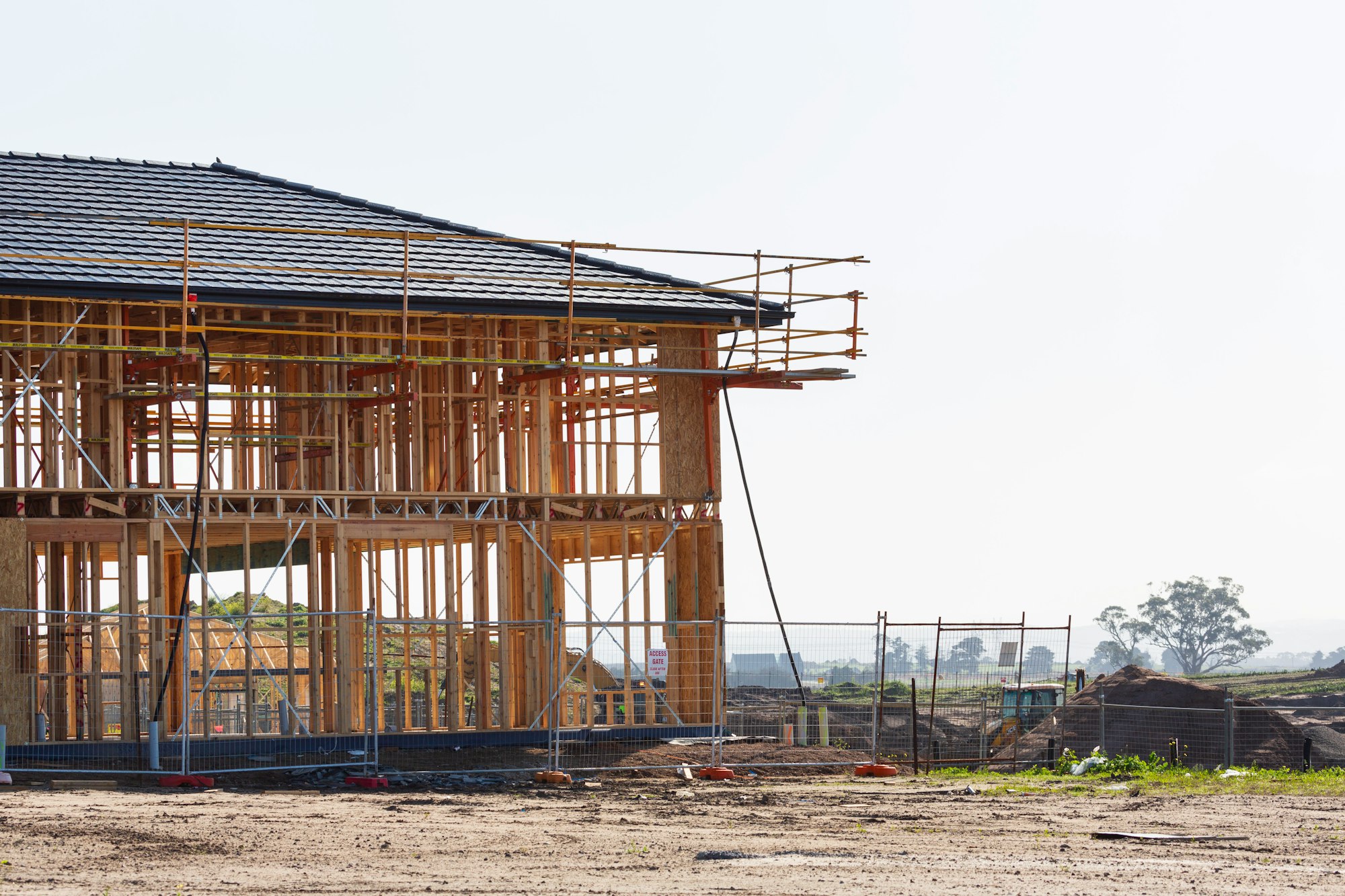 Timber Framing Guide | Key Elements & CodesLearn the fundamentals of timber framing for residential construction in Australia. In this guide we cover sub floor, wall, and roof elements, bracing systems, and building code references.
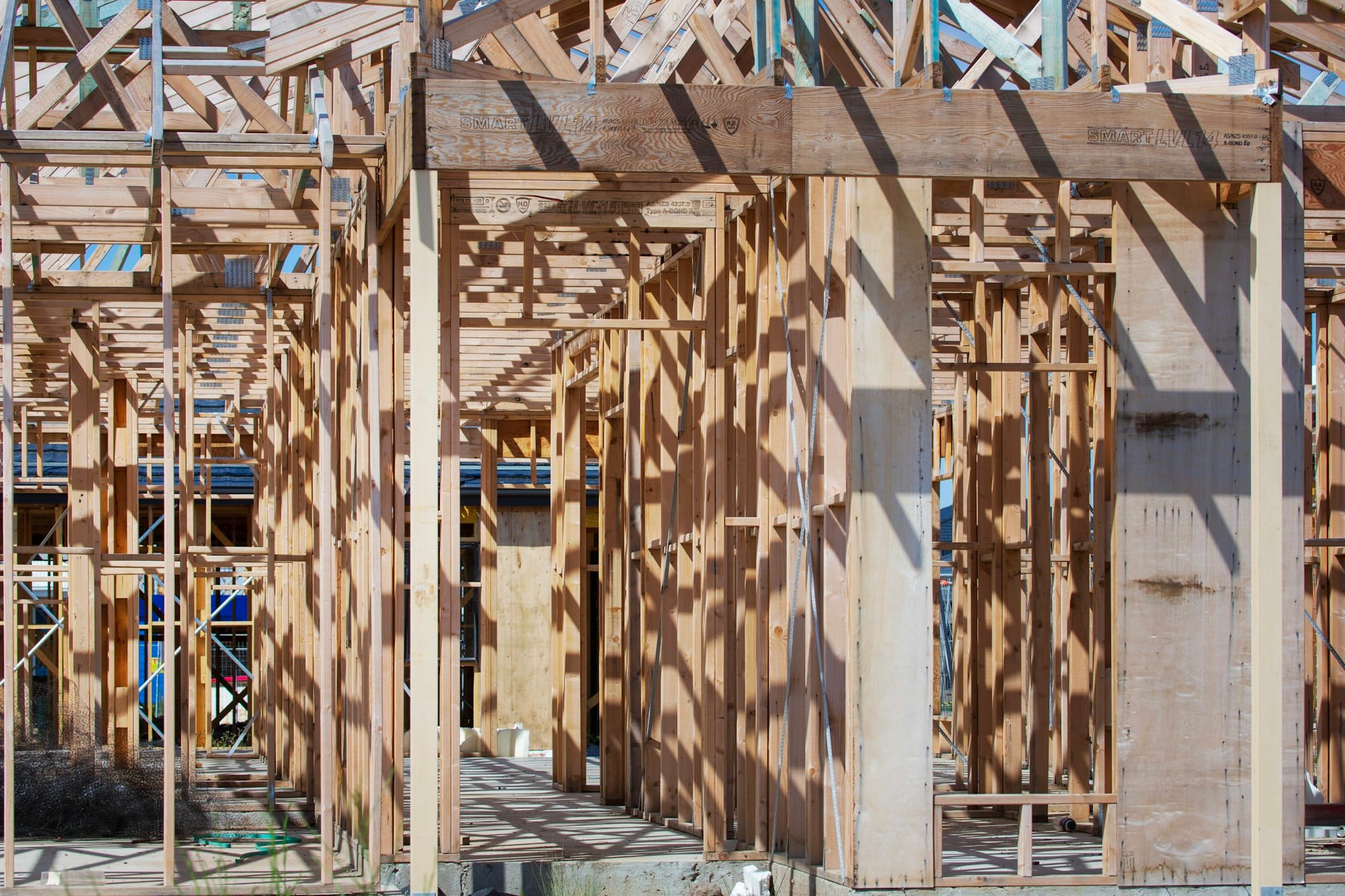 10 Steps for Quality Control in Frame Carpentry ExplainedEnsuring quality control in framing carpentry is pivotal for residential construction. From choosing a licensed carpenter to verifying bracing & tie-down, delve into 10 general areas that can make a significant difference.

