

A new house usually comes with a new lawn, or at least a bare patch of dirt where one is supposed to go. The first few weeks decide whether that turf takes or turns into an expensive brown mat, so it's worth getting the basics right.
Some links in this post are affiliate links. If you buy through them we may earn a small commission, at no extra cost to you.
Choosing a grass for Queensland
Most Queensland lawns are one of three warm-season grasses:
- Soft-leaf buffalo (such as Sir Walter): handles shade better than most, soft underfoot, fairly low maintenance.
- Couch: tough, fast to repair itself, loves full sun, but creeps into garden beds and struggles in shade.
- Zoysia: slow growing, dense and drought tolerant, so less mowing once it's established.
Pick for your conditions. A south-side yard shaded by the house and the neighbour's fence won't suit couch, no matter how cheap it is.
Laying and establishing new turf
Most of the work happens before the turf arrives.
Prepare the soil
Builders' fill and compacted site soil is a poor base. Rip or rotary-hoe the top 100 to 150 mm, remove rubble and leftover concrete, and spread a turf underlay or good topsoil mix. Rake it level and firm it so the turf sits flat with no air pockets.
Lay and water it in
Lay turf the day it's delivered, in a brick pattern with the joints staggered and butted tight. Water it straight away until the soil underneath is wet.
Watering for the first three weeks
- Week 1: keep the turf and soil underneath moist all the time. In hot weather that can mean watering twice a day.
- Week 2: water once a day, deeper.
- Week 3: start backing off to every second or third day, still soaking deeply.
Lift a corner now and then. Once you see white roots growing into the soil and the turf resists being pulled up, it's taking.
First mow
Mow once the roots have taken hold, usually two to three weeks in warm weather. Set the mower high and take off no more than a third of the leaf.
Ongoing care
Mowing
Mow regularly and keep the height up. Scalping weakens the grass and lets weeds in. A mulching mower returns clippings to the lawn as free fertiliser.
Weeding
Weed when the soil is moist so the roots come out whole. For herbicides, spray on calm, mild days so the spray stays where you put it, and always check the label says it's safe for your grass type. Nutgrass is the one most people struggle with. A selective product like Sempra Nutgrass Killer targets it without killing most lawn grasses. Buy it on Amazon
Feeding and watering
Use a fertiliser suited to your grass type and feed in the warmer growing months, roughly spring to early autumn. A lawn starter fertiliser helps new turf and revives thin patches. Scotts Lawn Builder is one option: a 2.5 kg bag covers over 150 m². Buy it on Amazon
Water in after feeding so the nutrients reach the roots. Once established, water deeply and less often rather than a light sprinkle every day. That pushes roots down and helps the lawn handle dry spells.
Aerating
Foot traffic and heavy clay soils compact the ground, so water and air can't get to the roots. Spike or core the lawn once or twice a year in the growing season. A garden fork works on small areas, and aerator sandals are a cheap option you can wear while mowing. Buy a pair from Amazon
Grubs
Lawn grubs (such as armyworm and curl grub) are common across Queensland, especially in late summer and autumn. Watch for patches that brown off quickly or birds pecking at the lawn. Lift a section and look in the soil, or soak a patch with soapy water and see what comes up. If you find them, treat with a lawn grub insecticide before the damage spreads.
Fixing drainage problems
Drainage problems go both ways:
- Sandy soil drains too fast, so the lawn dries out. Add organic matter or topsoil, and use a soil wetter to help water soak in.
- Clay soil drains too slowly, so water ponds and roots rot. Core-aerate and top-dress with a sandy loam to open the surface up over time.
If water is pooling against your house or across the yard after rain, that's a site drainage issue, not a lawn issue. Raise it with your builder or a landscaper before it causes damage.
The bottom line
Prepare the soil, water new turf properly for the first three weeks, mow high, and keep an eye out for weeds and grubs. Do that and your new lawn will look after itself most of the year.
 Landscaping for Energy-Efficient HomesProper landscaping doesn’t just enhance a home’s curb appeal—it can also boost energy efficiency, reduce costs, and support biodiversity. Explore considerations for designing a beautiful, sustainable outdoor space tailored to Australia’s climate.
 Top 10 Budget-Friendly, Low-Maintenance Landscaping TipsTransform your garden into a low-maintenance oasis with our top 10 budget-friendly landscaping tips. From using native plants that require minimal upkeep to implementing mulch for weed control and setting up a DIY drip irrigation system, these strategies are both cost-effective and time-saving.
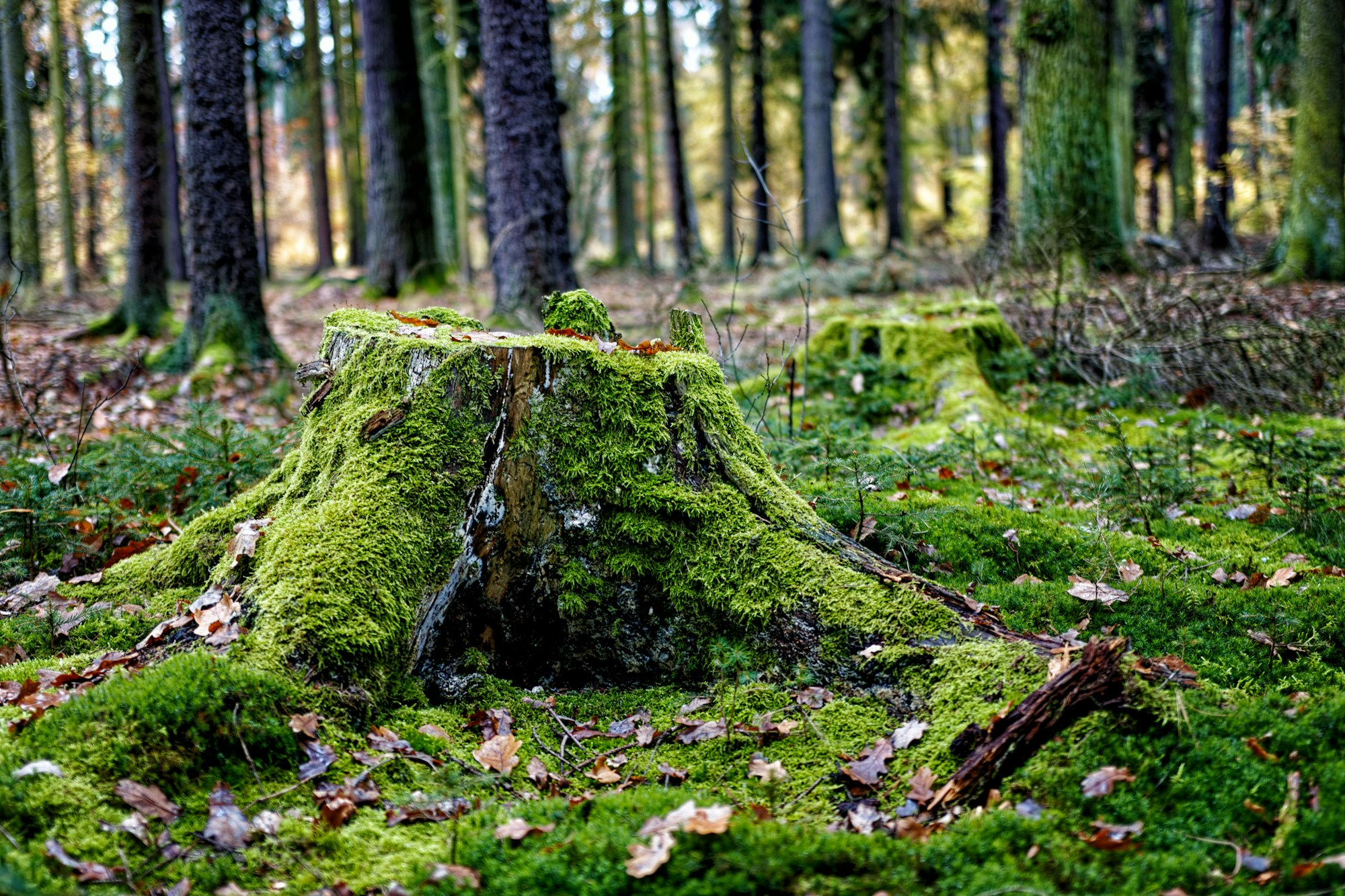 Dying Trees & Stump Removal: A Comprehensive GuideDealing with a dying tree or an unsightly stump in your yard? We explain the signs of a dying tree and options for its removal. Learn the basics of stump removal, from digging and cutting roots to using stump grinders, and explore alternative methods.
 Navigating Trees and Construction: Tips for NeighboursThis guide addresses common problems like overhanging branches, root damage, and property disputes, highlighting the Neighbourhood Disputes (Dividing Fences and Trees) Act 2011.


