

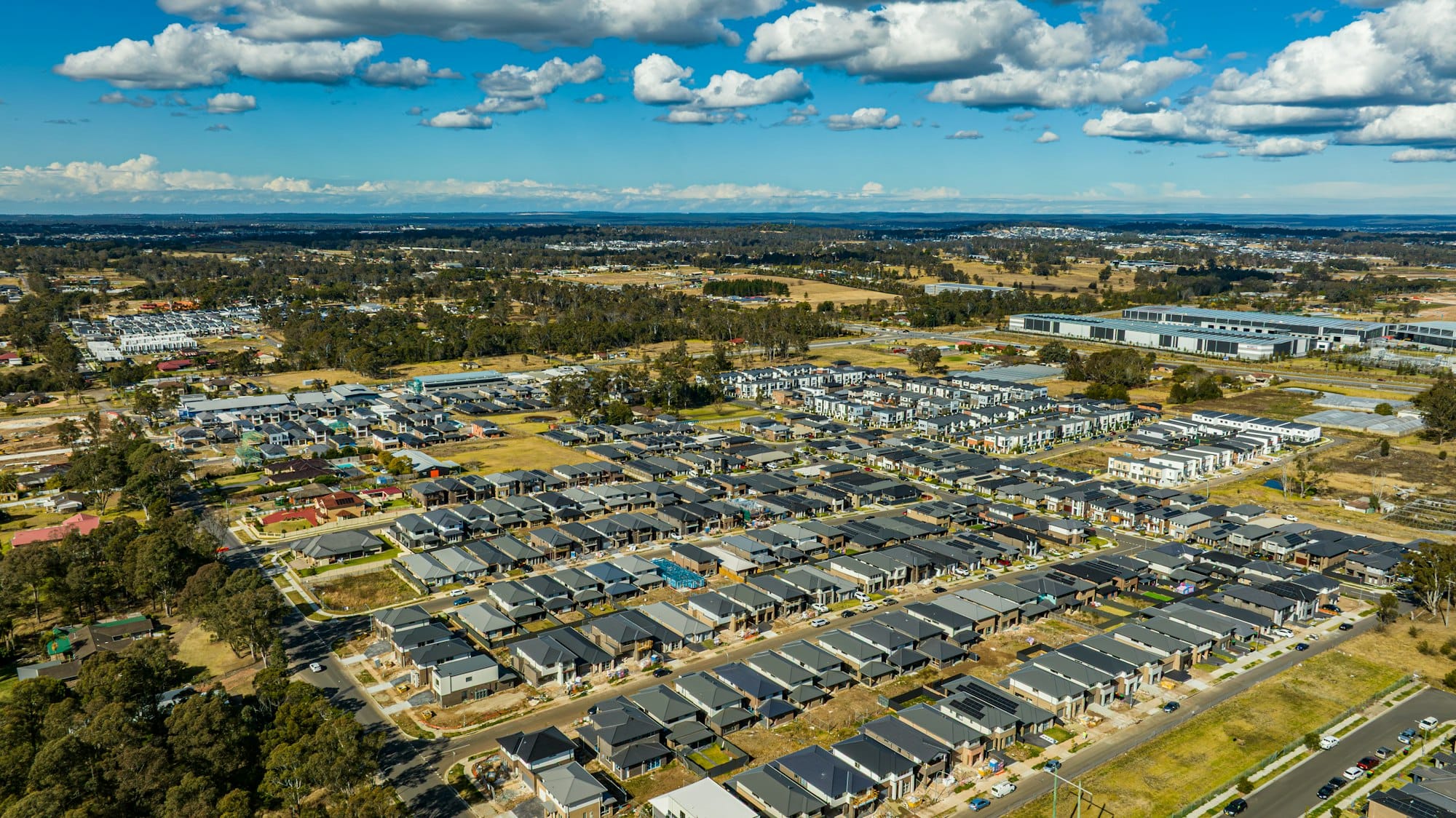
Drive through any new housing estate and you'll notice it. Same roofs, same facades, same colour palette, same double garage out the front. That's not a coincidence. It's written into the developer's covenants, and it's affecting your choices before you've even picked a builder.
Covenants can protect the look of a street, but they also lock buyers into particular materials, sizes and styles. That limits innovation, can push up costs, and makes it hard to build something smaller, more affordable or genuinely different. If you're about to buy land, this matters to you directly.
What are developer covenants?
Developer covenants (often called design guidelines or building covenants) are rules set by the developer that control what can be built on each lot in an estate. They're usually part of your contract of sale, and some are registered on the title so they bind future owners too.
Typical covenants control:
- Roof material and colour.
- Facade materials, such as a minimum percentage of brick or render.
- Minimum house size. Some estates set minimums of around 200 m².
- Setbacks, garage placement and front elevation "articulation".
- Fencing, driveways, letterboxes and landscaping.
- The colours you can use on the outside of the house.
Most estates also have a design review process. Your plans have to be approved by the developer (or their design panel) before your builder can lodge for building approval, and that often comes with a fee and a waiting period.
Covenants are legally binding. If you breach one, the developer can refuse approval, require changes, or in some cases take action against you.
Who approves them?
This is where a lot of people get it wrong.
In Queensland, most new estates are approved by the local council, which assesses the subdivision against its planning scheme. In Priority Development Areas, Economic Development Queensland (EDQ) is the planning authority instead. But design covenants themselves are usually private conditions set by the developer, written into the land contract or registered on title. They're generally not "approved" by a regulator in the way the subdivision is.
That means the main protection you have is reading the covenant before you sign the land contract.
Why developers use them
Developers argue, fairly, that covenants:
- Keep the estate looking consistent, which helps sell the remaining lots.
- Protect property values by stopping the odd poorly designed or neglected home.
- Give buyers confidence about what will be built next door.
Plenty of buyers like that certainty. The problem is when the rules go further than they need to.
How covenants stifle innovation
They lock in specific materials
When a covenant mandates a particular roof or facade material, builders have no reason to look at alternatives. Newer cladding systems, lightweight construction, different roofing products or more sustainable options never get a look in. If the covenant says brick, it's brick.
That's also a missed opportunity for the industry. New products struggle to gain a foothold when large parts of the market are written out of reach.
They limit design diversity
Covenants often favour a particular style, such as pitched roofs and a "traditional" facade. That leaves little room for modular or prefabricated homes, skillion or flat roofs, or designs built around passive solar principles. The result is suburbs that all look the same, and architects and builders who have no reason to try anything new.
They discourage smaller, more affordable homes
Minimum house sizes are the one that bothers me most. If a covenant requires around 200 m² or more, it shuts out first-home buyers, downsizers and anyone who'd rather build a well-designed smaller home than a big average one. In a housing affordability crisis, that's hard to justify.
They can reduce competition
When one type of product is mandated across thousands of lots, there's less competition on price and specification. Some suppliers also run rebate or marketing arrangements with developers. That's not illegal in itself, but buyers deserve to know if a product requirement in a covenant is tied to a supplier deal.
My own experience with roofing
I remember when metal roofing was the newcomer. Back then, a "tin" roof cost a few thousand dollars more than tiles, and it was an upgrade option on a new home.
For the record, I'm a fan. Metal roofs need less maintenance, they don't chip or crack when trades walk on them, they don't go patchy or discoloured like some tiles do, and they're much lighter, which makes future renovations easier.
But here's the question I keep coming back to: how did metal roofing go from a premium option to a mandatory requirement in so many estates? When something becomes compulsory, buyers lose the choice, and that's my real concern. It's not about one product being good or bad. It's about who decides, and whether buyers ever get a say.
Why change won't come from developers alone
Developers are businesses. Their job is to sell lots quickly and protect the value of the remaining stock. That means:
- Proven designs are a safe bet. Experimenting risks delays and unhappy buyers.
- Covenants are a selling point. Buyers who want a "neat" street see them as a guarantee.
- There's little consumer pressure. Most buyers are told "take it or leave it", so they take it.
- There's little regulatory pressure. As long as the planning approval is met, nobody is reviewing whether the design rules are reasonable.
Developers aren't villains. But too often the market rewards cutting cost and time over quality and choice, and buyers deserve more than that. Genuine innovation in housing mostly happens at the top end of the market, where clients can afford to do something different.
What could change
- Councils and EDQ could set limits on what design guidelines can require in new estates, such as not mandating specific brands or products and allowing a range of compliant materials.
- Developers could be required to disclose any supplier agreement linked to a product requirement in their covenants.
- Estates could include a mix of lot and house sizes, including smaller homes, rather than a single minimum size.
- Design rules could focus on outcomes such as energy performance, street appeal and quality, rather than prescribing materials.
- Buyers, builders and designers can push back by asking questions, choosing estates with flexible guidelines and supporting innovative projects.
What to check before you buy land
This is the practical bit. Before you sign a land contract, get a copy of the covenants and design guidelines and check:
- Roof: Is a particular material or colour required? Does it affect your energy rating?
- Facade: Is there a minimum brick, render or "feature" material percentage? What will it cost?
- Minimum house size: Does it fit your budget and the design you want?
- Setbacks and garage rules: Do they work with your preferred floor plan and the lot's orientation?
- Fencing, driveway and landscaping: These are often required within a set time after handover and can add thousands to your costs.
- Design approval: Who approves your plans, what's the fee, and how long does it take?
- Supplier ties: Ask whether any product requirement is linked to a supplier agreement.
- Duration: How long do the covenants apply, and are they registered on title?
Have your builder or designer review the covenants alongside your preferred design before you commit, and have your solicitor explain anything that's unclear. Our free C1 Before Buying Land checklist covers covenants and the other land traps to look out for.
Frequently asked questions
What is a developer covenant?
A set of rules, usually in your land contract or registered on title, that controls what you can build on your lot: materials, design, size, setbacks and more.
Who approves covenants in Queensland?
Generally nobody in the way people assume. Councils (or EDQ in Priority Development Areas) approve the subdivision, but design covenants are usually private conditions set by the developer. Read them before you sign.
Can covenants be changed?
Sometimes. Developers occasionally grant variations, and covenants often expire after a set period or once the estate is sold out. Removing a covenant registered on title is harder and may need legal advice.
Do covenants increase the cost of building?
They can. Mandated materials, minimum sizes, facade features, fencing and landscaping requirements and design approval fees all add up. Factor them into your budget before you buy.
Further reading
 Shrinking Homes: A Crisis for Modern FamiliesDiscover how the dramatic reduction in house block sizes over the past 30 years is impacting modern families. With developers and councils prioritizing profits, families struggle to find space for basic needs. Learn about the consequences of this trend and the urgent call for change.
 The Impact of Roof Colors on Urban Heat Islands in AustraliaThe choice of roof colour in your home is more than just an aesthetic decision; it has real implications for the local climate. This article offers a discussion of the scientific, aesthetic, and practical aspects of roof colours.
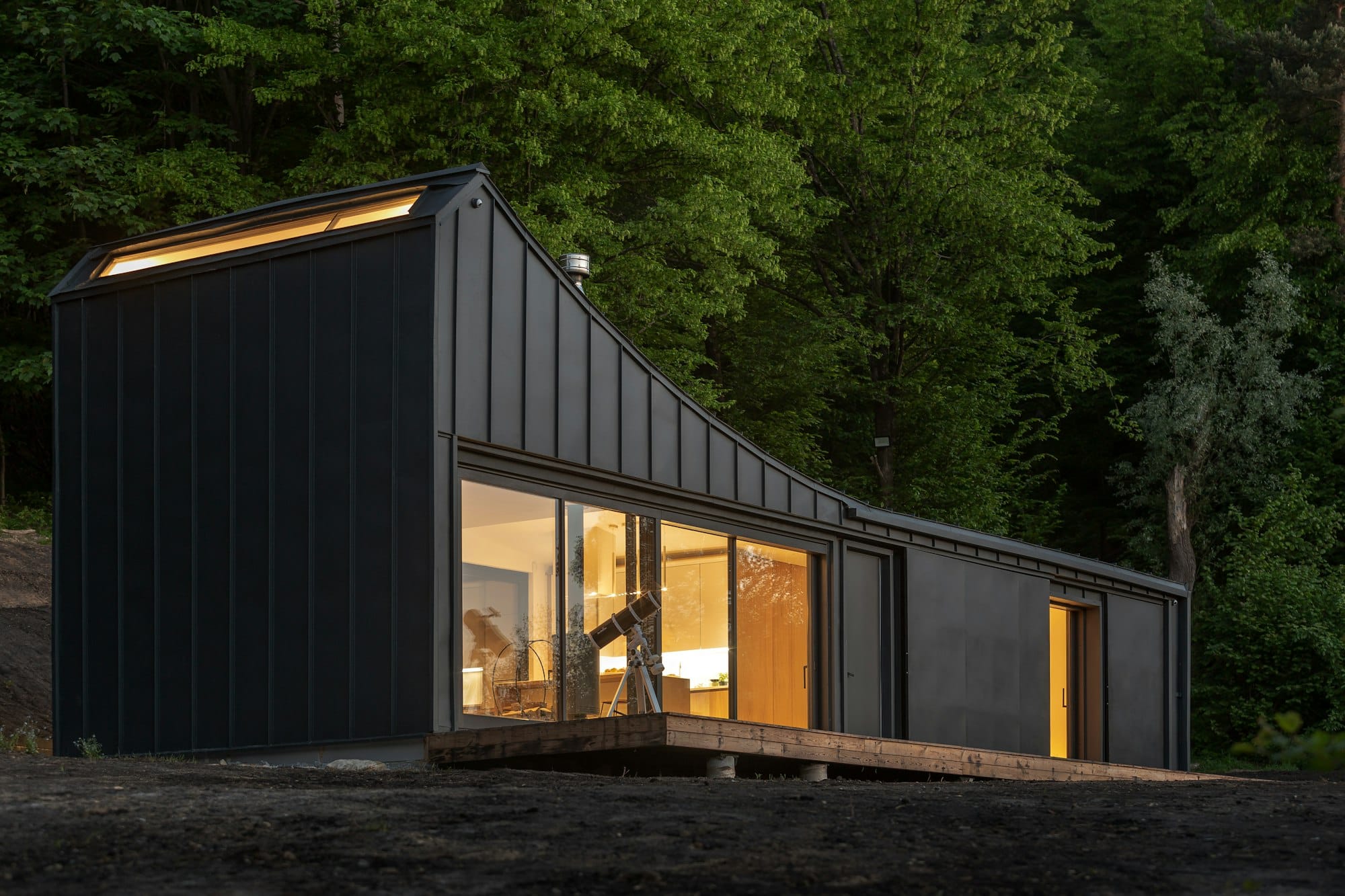 Modular Construction: Changing Building Amid High DemandDespite regulatory hurdles and logistical challenges, modular construction is gaining popularity for its ability to deliver high-quality, eco-friendly homes quickly. Successful projects highlight its potential to meet housing needs while maintaining high standards.
 Balancing Quality & Profits in Homebuilding: A GuideAre you a homebuyer seeking quality and value? This article delves into the complex relationship between homebuilders’ drive for profits and the need for quality construction. Learn how both can co-exist, and why focusing on quality is not just ethical but also financially rewarding for all parties.
 Community Land Trusts: Affordable Housing in Australia?Explore the potential of Community Land Trusts to improve housing affordability in Australia. Learn how CLTs work, their benefits, and how they can be implemented in today’s economic climate.


