

Why Socks Matter More Than You Think
On a construction site, your feet take a beating—long hours, long days, concrete floors, heat, cold, mud, and constant impact.
The right socks do more than feel nice; they reduce foot fatigue, manage sweaty feet, cut the risk of blisters, and improve day comfort so you can focus on the work.
Pick the right pair of socks and you’ll notice a significant difference in recovery time, balance, and mood by the end of the shift.
In this post we explain the best way to choose high-quality work socks—materials, features, fit, and different types—so you can find the ideal pair of socks for your boots and your job.
What to Look For in Work Socks
- Moisture management & moisture control: Look for moisture-wicking socks made with breathable materials (merino, performance synthetic blends) that move sweat away fast. Better wicking = fewer hot spots and less stink.
- Cushioning & impact: Strategic padding under heel/ball/toe delivers extra comfort on concrete floors. For steel toe boots and safety toe shoes, choose a cushioned toe box or targeted toe padding.
- Arch support & stay-put fit: Light arch support and a snug fit reduce slide-and-friction.
- Seams & finish: A smooth toe seam prevents rubbing in tight toe caps.
- Compression (optional): Compression socks or light compression in the arch/calf can boost blood circulation, acting like fatigue fighters on long periods of standing.
- Durability: Tough knits and reinforced heel/toe add long-lasting durability in tough conditions.
5 top picks for 2026
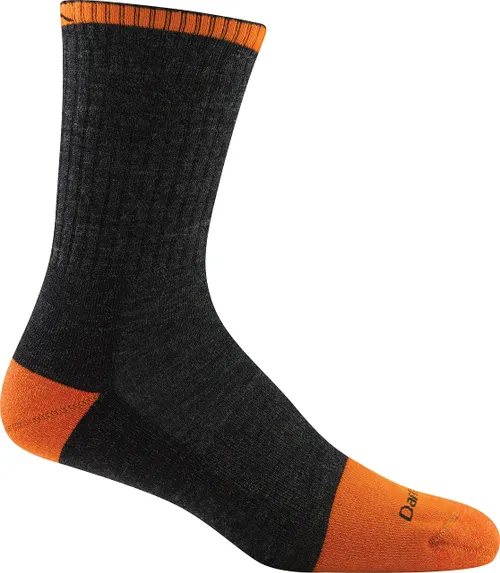
Darn Tough “Steely” Boot Work Socks (Merino, Full Cushion, Steel-Toe) — Best overall
- Why: Full cushioning with an extra-padded toe box specifically for steel-toe and safety-toe boots, plus legendary durability and a lifetime guarantee. Great blend of comfort, moisture control, and longevity.
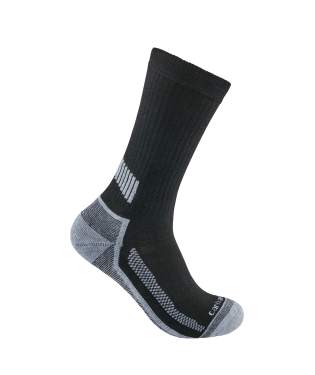
Carhartt Force Work Crew Socks — Best value for sweaty, long days
- Why: Moisture-wicking “Force” tech, reinforced impact zones, and work-ready durability at a budget-friendly price. Solid everyday pick for crews that grind on concrete.
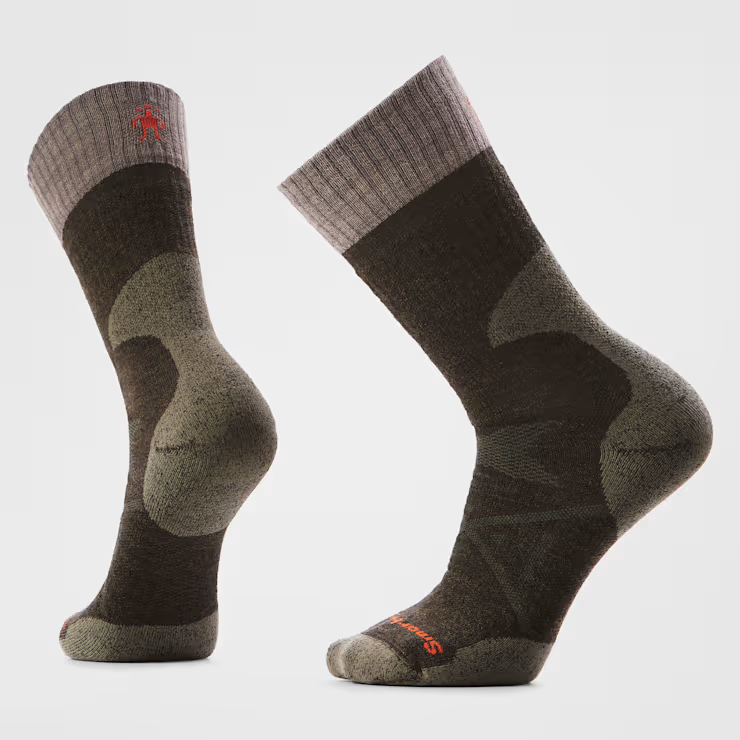
Smartwool Work Full Cushion Tall Crew — Best merino option for tall boots
- Why: ZQ-certified merino with extra safety-toe cushioning, flat toe seam, and a taller crew height that pairs well with 6–8″ work boots. Excellent thermoregulation and comfort.
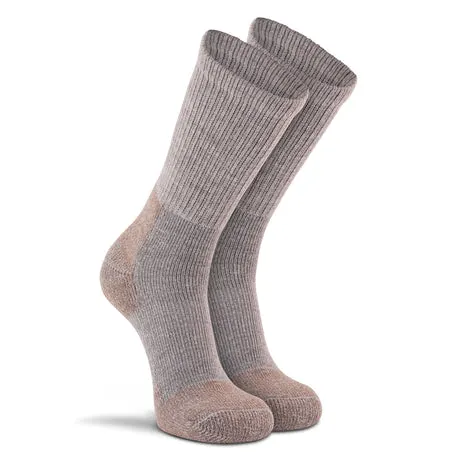
Fox River Steel-Toe Heavyweight Crew — Best heavy cushion for steel toes
- Why: “Wick Dry” moisture tech + URfit support and added padding over the toe/heel specifically for steel-toe pressure points. Built to take a beating.
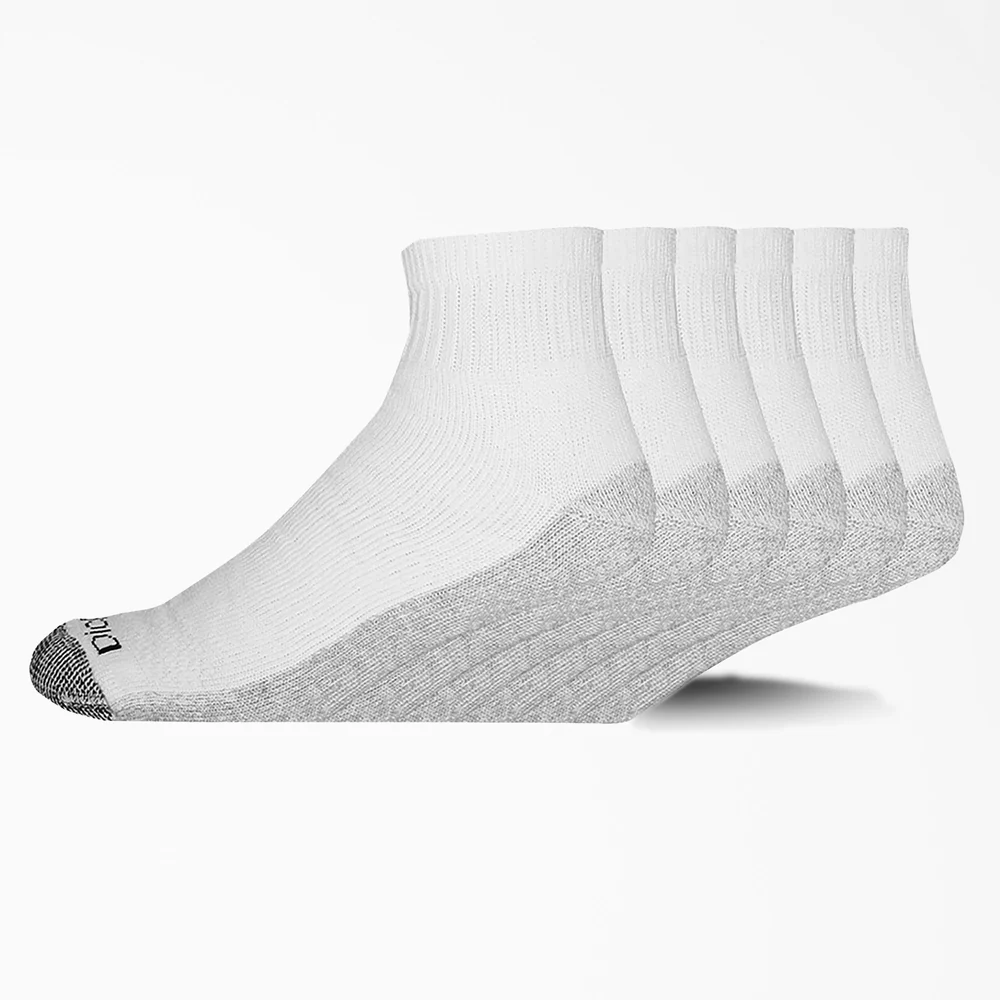
Dickies Dri-Tech Moisture-Control Crew (Multipack) — Best budget multipack
- Why: Ventilation channels and moisture-control fibers keep feet drier; easy to stock up for daily wear without breaking the bank.
Materials: Merino vs. Synthetics vs. Cotton
- Merino wool socks / wool work socks / boot wool work sock: Merino is a natural fiber with great temperature regulation, odor resistance, and moisture control. It’s not itchy, and good blends (e.g., “ironside merino wool” style products) balance durability with comfort. Perfect for daily wear in shifting weather.
- Synthetic blends (poly/nylon with elastane): These shine at fast-dry moisture management and abrasion resistance. Many of the best men’s work socks use synthetics for superior cushioning that doesn’t pack out quickly.
- Cotton-heavy socks: Comfortable for dress socks, but pure cotton holds moisture—bad for sweaty feet and blister risk. If you love the feel, pick synthetic blends with just a bit of cotton for softness.
💡
“Heavy-duty men’s socks” doesn’t have to mean thick bricks. Modern material blends give comfort without bulk.
Height, Thickness, and Boot Compatibility
- Heights:
- Quarter socks or crew sock heights work for most 6″ boots.
- Calf socks/over-the-calf are great for higher work boots and debris protection.
- Thickness:
- Thick work boot socks cushion impact but can tighten fit; match thickness to boot volume.
- Lighter socks can be better for hot weather, tight composite toe boots, or “just-right” fits.
- Steel toe & composite toe boots:
- Consider steel toe socks with targeted toe padding, or a cushioned toe box design to protect nails and reduce toe-bang.
- Cowboy boots:
- A taller calf sock or over-the-calf reduces heel slip and protects against shaft rub—great blue-collar workers hack for ranch or pipeline jobs.
Compression: When to Use It (and When to Skip)
- Light compression can reduce swelling on hour days (those 10–12s that stretch to 14), improve blood circulation, and limit calf fatigue.
- If you have a very snug boot or big calf circumference, test fit carefully; too much squeeze plus thick socks can be a last thing you want on a hot job site.
- Consider foot-only or targeted arch support if full-calf compression feels too tight.
Seasonal Setups and Jobsite Scenarios
- Hot weather: Lightweight synthetic blends or merino wool socks with high airflow are a good choice. Aim for fast-dry, thin-to-mid cushion, and aggressive moisture control.
- Cold mornings/winter: Mid-to-heavy cushion wool work socks or layered sock liners under merino for warmth without sweat lock-in.
- Wet days: Rotate pairs to keep a great work sock dry. Pack backups—long time in wet socks = maceration and blisters.
- Long run comfort: Rotate 3–5 pairs through the week for long-lasting durability and consistent feel.
Fit & Sizing: Get the “Perfect Fit”
- Match size charts and consider shrinkage (merino blends shrink less than pure wool).
- Balance snug fit with circulation: too tight reduces day comfort; too loose causes friction.
- If you use custom socks or orthotic insoles, re-check sock thickness to avoid overfilling the boot.
- For higher work boots, verify length—no bunching at the crease.
FAQs
- What are the best socks for construction workers in hot weather?
Lightweight synthetic blends or fine merino wool socks with fast moisture management and a smooth toe seam. - Are compression socks good for long days on concrete floors?
Light compression can aid blood circulation and reduce swelling; make sure fit isn’t too tight for your calf circumference. - Do I need special socks for steel toe boots?
A cushioned toe box or steel toe socks helps reduce pressure and rubbing in steel toe boots and safety toe shoes. - What height works best with higher work boots?
Calf socks or over-the-calf heights prevent shaft rub and keep debris out—great for higher work boots and cowboy boots. - Merino vs. synthetics—what’s the difference?
Merino (a natural fiber) regulates temp and odor; synthetics dry fastest and are very durable. Many best work socks blend both. - How thick should my socks be?
Match thickness to boot space. Thick work boot socks cushion impact but can over-tighten; thin socks breathe better for hot weather. - How often should I replace work socks?
When terry cushioning flattens, heels thin, or seams irritate—usually every few months with heavy use in tough conditions. - Can I wear dress socks to the job site?
Dress socks lack padding and durability; they’re not a good choice for construction site wear. - Are sock liners worth it?
Yes, sock liners can help with sweaty feet and friction management—especially on long periods or in hot climates. - What’s a simple way to narrow choices fast?
List your boot type (steel/composite), climate, and preferred cushion. From there, choose best men’s work socks that match those specs and test one or two best sellers.
Similar Topics
Best Cold Weather Construction Gloves 2025
Frozen fingers and dropped tools? Not on your site. Discover the best cold weather construction gloves of 2025—built to keep you warm, safe, and in control, no matter how low the temperature drops.
 Anthony Painter
🧰 Best Construction Lunch Boxes for Workers in 2025
Top construction lunch boxes of 2025—durable, insulated, and built for job site demands. Find the perfect fit for your workday meals.
 Anthony Painter
Top 5 Best Hard Hats for Construction in 2025
Gear up smart, not just tough. We break down when you need a hard hat on a construction site, explain Type I/II - Class E/G/C and compare our top 5 best hard hats for 2025.
 Anthony Painter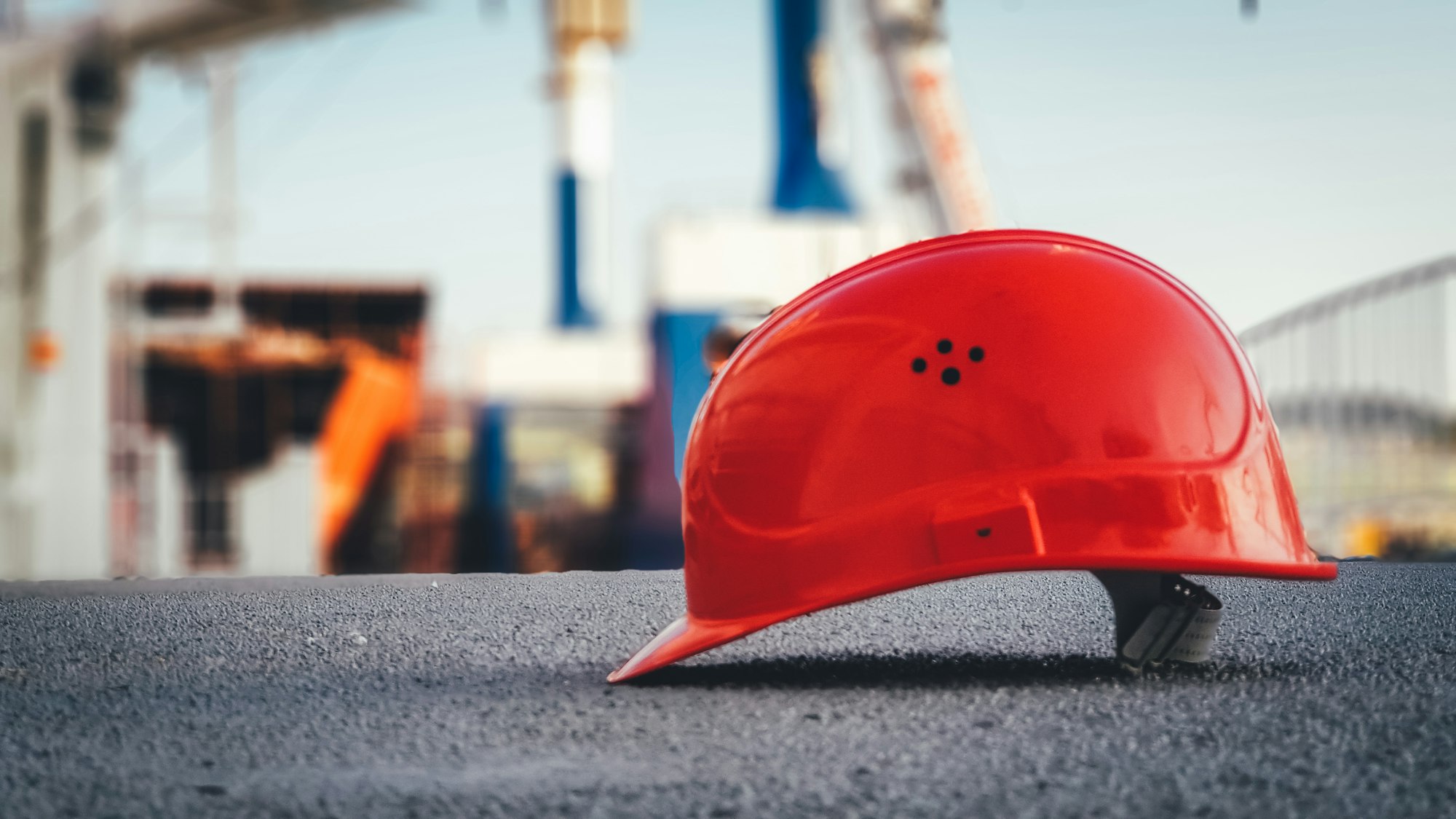
Best Men’s Steel-Cap Sneakers for Construction (2025)
Steel-cap sneakers are changing job-site footwear. You can get rated toe protection and slip-resistant traction with the feel of a running shoe. We compare five top picks for 2025.
 Lissy Alvaran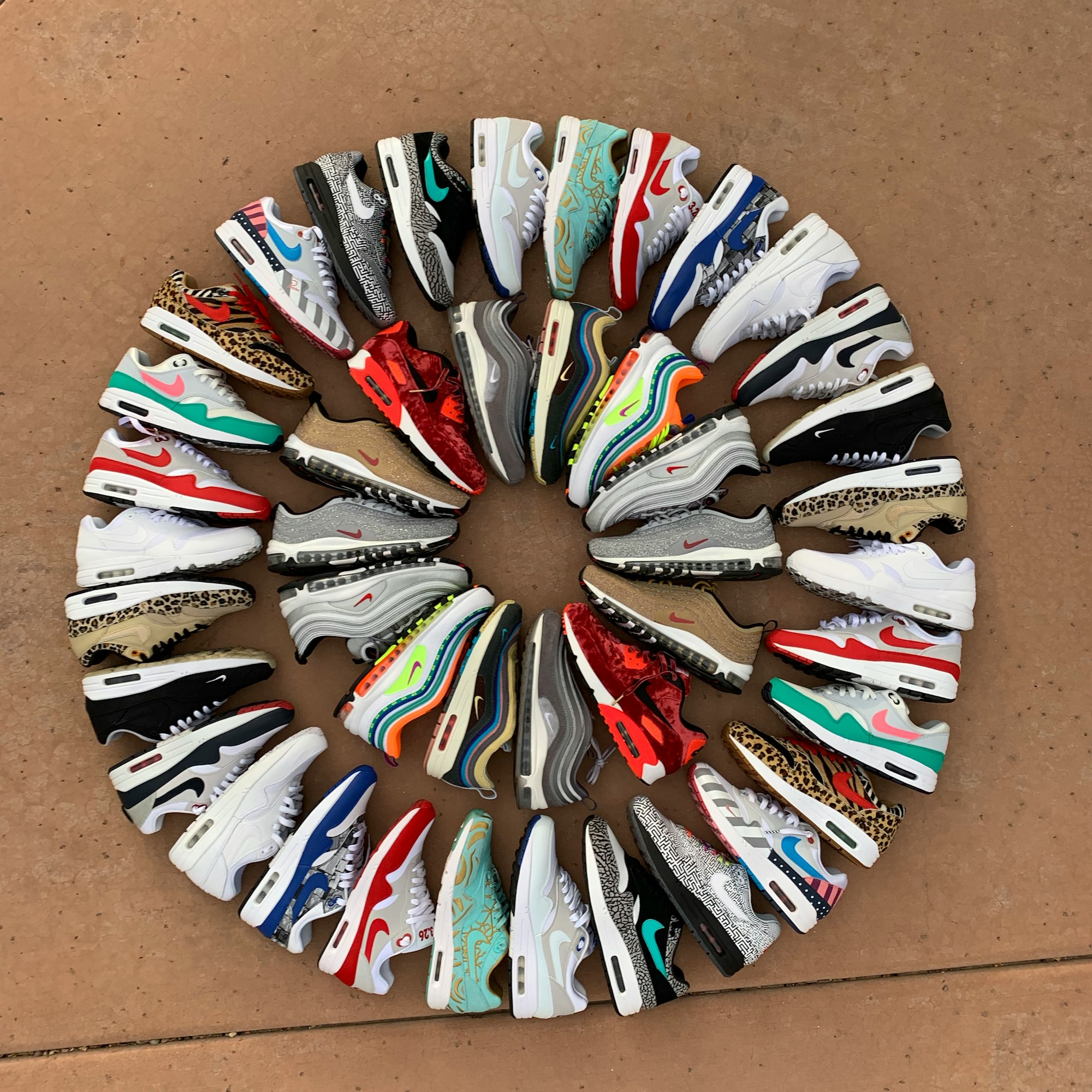
Best Lightweight Work Pants for Summer 2025
Working in the summer heat? This guide reviews the best lightweight work pants for tradies in 2025. Compare fabrics, fits, knee pad pockets, and pocket layouts—from Carhartt to Dickies—so you stay cool, comfortable, and site-ready all day.
 Anthony Painter


Member discussion