Gas or electric is a decision you need to make at design stage, not at the appliance shop. It changes your services, your switchboard, your energy assessment and what you pay every quarter for as long as you live there.
A lot of the old advice says gas is cheaper to run and more efficient. For a new home in 2026, that is mostly out of date. Here's what I'd weigh up.

C20 - What You Should Know When You Design Your New Home
$59.00 AUD
Last updated 5 Oct 2026 · Revision 1 · Free updates for life
Checklist Type: Minor
Form Factor: Fillable, print-ready PDF (A4, 47 pages)
When to use: Design stage: before the plans and specification are finalised and before you sign
A 372-question guide to work through while designing your home. Settle orientation, light, soil, drainage, layout, finishes and costs early, so you avoid changes and delays later.
The energy rules now count your appliances
Since 1 May 2024, new homes in Queensland have had to meet the NCC 2022 energy standards: a 7-star NatHERS rating for the building shell, plus a Whole of Home energy budget. The Whole of Home part looks at your fixed appliances: hot water, heating and cooling, and pool and spa pumps.
That matters because your hot water choice can help or hurt you here. An efficient heat pump or a solar system with good PV can make the budget easy. Ask your energy assessor to run the numbers on both options before you lock anything in.
Efficiency: electric has caught up and passed gas
- Cooktops. Induction puts most of its energy straight into the pan. A gas burner loses a lot of heat around the sides of the pot, which is why the kitchen gets hot. Induction is quicker to boil and easier to clean.
- Hot water. A heat pump moves heat from the air rather than making it, so it typically delivers around three to four units of heat for every unit of electricity. Gas can't match that.
- Heating. In Queensland most homes need little heating, and a reverse-cycle split system handles both cooling and heating far more efficiently than a gas heater.
- Ovens. Electric ovens are the norm and cook more evenly. Gas ovens are mostly a preference thing now.
Running costs: solar changes the maths
If you have rooftop solar, every appliance you run on electricity during the day is powered by your own panels. Run the heat pump, dishwasher and pool pump in daylight and your running cost drops sharply.
Going all-electric also lets you skip the gas supply charge. That daily fee is paid whether you use one burner or ten, and on a house with only a cooktop on gas it often costs more than the gas itself. For bottled LPG, you're paying for cylinder rental and deliveries instead.
To compare your own situation, get quotes for both setups and check current retail offers on the Australian Government's Energy Made Easy website.
Installation: neither is plug and play
- Gas needs a connection to the street main (or LPG bottles and a regulator), gas pipework through the house, a licensed gasfitter and compliance certificates. Check the connection fee with your distributor early, as it varies a lot between estates.
- Electric appliances like ovens, induction cooktops and hot water systems need their own dedicated circuits, run by a licensed electrician and sized correctly at the switchboard. Plan these with your builder at design stage. An induction cooktop added later can mean a new cable from the board and sometimes a switchboard upgrade.
Also allow space for the gear itself. A heat pump has an outdoor unit that makes a small amount of noise, so don't put it under a bedroom window.
Quick comparison
- Cooktop: gas is familiar and cheap to buy; induction costs a bit more, is faster, more efficient and safer around kids.
- Oven: electric is the standard choice; gas ovens are rare and offer little advantage.
- Hot water: heat pump or solar costs more upfront but is cheapest to run with solar; gas instantaneous is compact but carries the gas bill and supply charge.
- Heating and cooling: reverse-cycle air conditioning does both and suits Queensland's climate.
The environmental side
Gas is a fossil fuel. Burning it in your home produces carbon dioxide on site every time you cook or shower. Electric appliances get cleaner as the grid adds more renewables, and cleaner again when your own panels are doing the work. Victoria and the ACT have already restricted gas connections to new homes. Queensland still allows them, but it's worth asking yourself whether you want to be the last house in the street paying a gas supply charge in ten years.
My take
If you love cooking on gas, that's a fair reason to keep a cooktop on gas. For everything else, an all-electric home with solar is now usually cheaper to run and easier to get through the energy rules. Whatever you choose, decide early so your plans, energy report and electrical layout all match.
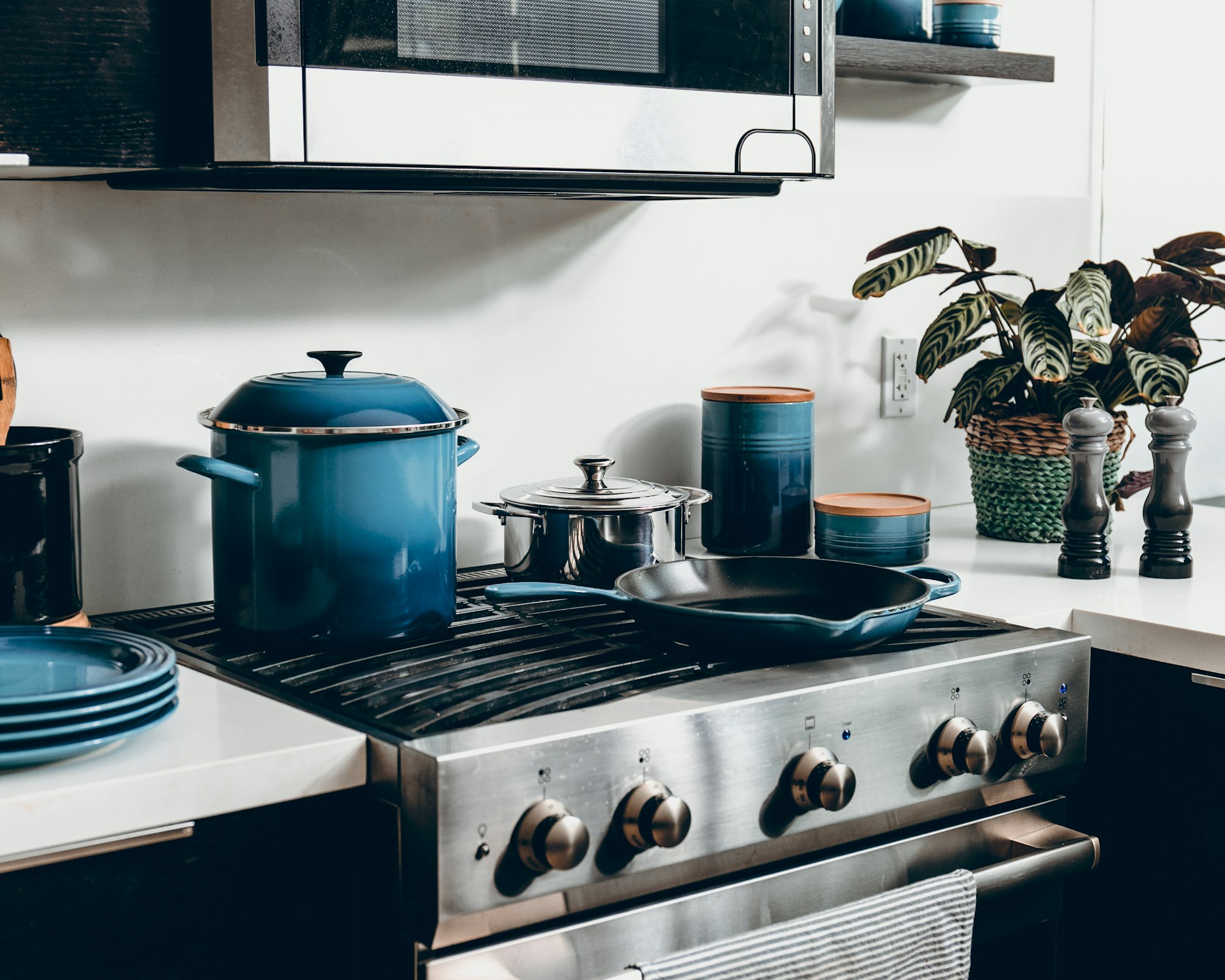 Gas Cooktop Clearance Height ChangesIf you’re planning a new construction project, it’s important to be aware of changes coming to gas cooktop clearance heights in 2023. These new regulations are being introduced to improve safety in the kitchen, but they will also have an impact on kitchen design and installation.
 Direct PV Solar Hot Water: The Future of Sustainable HeatingDirect PV solar hot water systems offer an innovative alternative to traditional solar water heaters. These systems use solar arrays to directly power water heating, & provide flexibility, energy independence, & cost-effectiveness. Dive into their advantages & benefits in this article.
 Solar & Efficiency Over EVs: Building a Sustainable HomeBuilding a new home? Shift your focus from electric vehicles to the real game-changer: how you power your home. Emphasize efficiency, solar, and battery storage to lessen grid dependence. An energy-efficient home not only saves money but also paves the way for a sustainable future.