

The Circular Economy and Your Home
So what is a circular economy, and why should you care about it when building or renovating your home?
In simple terms, a circular economy is about keeping materials, products, and resources in use for as long as possible. Instead of our current “take-make-waste” approach—where we dig stuff up, use it once, and toss it out—a circular economy aims to:
- Eliminate waste and pollution
- Keep materials circulating at their highest value
- Regenerate natural systems
So, what does this mean for you? Well, it’s a mindset shift. Instead of focusing only on what your home will look like or how much it will cost to build, it’s about thinking ahead:
- Can materials be reused if you renovate later?
- Is the design flexible enough to adapt to changing needs?
- Does the home’s structure make it easy to replace parts rather than the whole thing?
Indigenous cultures have been doing this for ages. Here in Australia, Aboriginal and Torres Strait Islander peoples practised resource stewardship long before the word “sustainability” was coined.
Their approach focused on using what’s available without depleting the land, ensuring resources were regenerated for future generations. In the construction world, we’re just starting to catch up to this wisdom.
For residential construction, circularity isn’t just an environmental bonus. It’s a practical approach that can save you money and headaches in the long run.
By designing with circular principles—like de-mountable walls, reusable structural components, and modular systems—you’re creating a home that’s ready to adapt, last longer, and reduce costly renovations or rebuilds.
But wait, you might be thinking, “Is this just for big commercial buildings or government projects?” Absolutely not! The same principles apply to single-family homes, townhouses, and even apartment complexes.
In fact, as Australia moves towards a net-zero future and construction costs continue to rise, residential homeowners are in a prime position to benefit from circular practices.
Why Circularity Matters in Construction
Let’s get into the why of it all. Why should we change how we build, especially when it seems like a huge task?
Well, the short answer is—because our current methods just aren’t sustainable.
Globally, the construction industry is a major contributor to environmental challenges:
- It’s responsible for nearly 50% of global resource use and 37% of greenhouse gas emissions.
- In Australia alone, the largest waste stream comes from building and demolition activities, generating 26.8 million tonnes of waste in just one year.
- As our population grows and urban areas expand, the demand for construction materials—like concrete, steel, and timber—continues to surge.
The problem? Most of these materials are used once and discarded, creating not just waste, but a massive strain on natural resources. Worse still, much of the waste that comes from demolition ends up in landfill, and only a small percentage is ever recovered or recycled.
Circularity changes that narrative. By keeping materials in use, we can:
✅ Lower carbon emissions by reducing the need for virgin materials and energy-intensive processes.
✅ Cut down on waste, meaning less landfill and pollution.
✅ Boost resilience by designing homes that can adapt to changing needs instead of being demolished and rebuilt.
✅ Reduce costs by reusing materials and components, which can be a game-changer as construction prices climb.
When materials are chosen wisely, designs are made adaptable, and construction methods allow for easy maintenance and upgrades, you end up with a home that’s cheaper to maintain and more valuable over time.
You might be thinking “Isn’t this all a bit too Greta?” That’s a good question. The truth is, we’re not quite there yet. The industry is still transitioning (its been in denial for many years now), and while there’s been a big push towards circular principles in Australia, there are challenges to overcome—like inconsistent regulations and a lack of awareness.
But that’s where homeowners can step in. By asking for circular solutions and supporting builders who embrace them, you’re helping drive the shift towards a smarter, more sustainable construction sector.
Section 3: Circular Strategies for Your New Home
Now that we’ve look at the “why,” let’s dig into the “how.” How can circular strategies be applied to your new home? You don’t need to be a sustainability expert or a construction guru—just understanding the basics can make a huge difference.
The guide we’re working from highlights eight core strategies that can transform your home into a circular powerhouse. Let’s break them down into simple, practical terms:
1. Reuse and Adaptive Reuse
This means reusing existing materials, components, or even entire buildings instead of starting from scratch. Think salvaging bricks, re-purposing steel, or reusing timber from a previous build. It’s not just good for the planet—it can cut costs and add unique character to your home.
2. De-materialisation
This one’s about doing more with less. By using fewer materials in construction—whether through clever design or lightweight, space-efficient materials—you reduce waste, lower costs, and make transport and handling easier.
3. Design for Flexibility
Homes should adapt to your changing needs. Designing flexible spaces—like movable walls or multi-use rooms—means you can adjust layouts over time without major renovations.
4. Design for Lifespan
This is all about durability. Choosing materials and designs that last longer reduces the need for replacements. For instance, selecting weather-resistant cladding or quality fixtures will save you from costly repairs down the track.
5. Design for Disassembly
Imagine being able to take apart parts of your home without destroying them. Using mechanical fixings like screws or bolts instead of glue or welds makes it easier to replace or reuse components later. It’s like building your home with a giant, reusable LEGO set.
6. Design for Modularity
Modular design means creating homes from standardised, prefabricated units. These modules can be easily added, removed, or reconfigured, giving you flexibility and reducing waste during construction and future upgrades.
7. Material Selection
Prioritise materials that are low-impact, durable, and recyclable. Look for third-party certifications, like the Green Building Council of Australia’s Responsible Products Program, to ensure products meet high environmental standards.
8. Product-as-a-Service (PaaS)
Instead of buying products outright (like HVAC systems or lighting), consider “leasing” them from suppliers who maintain and replace them as needed. This model ensures high-quality, long-lasting products while minimising waste.
Section 4: Circular Procurement in Action—How It Works
So far, we’ve talked about circularity in design and materials. But how do these ideas turn into action when building your home? This is where circular procurement comes in. It’s not just about what materials you use—it’s about how you plan, select, and purchase those materials and services. Let’s break it down.
What Is Circular Procurement?
In a nutshell, circular procurement is the process of buying products, services, or whole building elements in a way that supports a circular economy.
It means thinking about the entire life cycle of what you’re buying—how it’s made, how it’s used, and what happens at the end of its life.
For example, instead of buying brand-new materials, circular procurement encourages sourcing reclaimed or recycled products. It also involves working with suppliers who offer “product-as-a-service” models or who commit to taking back and reusing products once they’re no longer needed.
Why It Matters
Early procurement decisions have a big impact on a home’s circularity.
Choosing the right materials and services at the start sets the tone for the entire project.
Here’s why circular procurement is a game-changer:
- Reduces reliance on virgin materials—saving money and cutting emissions.
- Increases access to green finance—many lenders now offer better terms for sustainable projects.
- Aligns with government policies—Australia’s federal and state policies increasingly support circular construction and green procurement.
- Delivers long-term value—by investing in durable, adaptable, and reusable materials and systems.
Who’s Involved?
Circular procurement isn’t just for the builder—it’s a team effort:
- You, the homeowner: Ask questions, review options, and insist on circular choices.
- Builders and trades: Select materials and methods that align with circular goals.
- Suppliers: Offer products that support circularity, like reusable systems or modular components.
- Professional consultants: Help design circular strategies into plans and specifications.
- Investors and financiers: Support circular projects through green loans and sustainability-linked financing.
How Does It Work in Practice?
Here’s what circular procurement might look like during your home’s construction:
- Start with a clear vision—define circular goals and include them in project briefs.
- Conduct a circularity audit—identify which existing materials can be reused or recycled.
- Write it into the contract—ensure circularity is part of the tender process and contracts.
- Track progress—use tools like material passports and digital twins to monitor circular performance.
- Close the loop—at the end of a product’s life, arrange for take-back or reuse.
Why It’s Not Just for Big Projects
Circular procurement might sound like something only for government buildings or massive commercial projects, but that’s not the case. Many of the same principles apply to residential construction—like selecting durable materials, working with suppliers who offer repair or replacement services, and planning for future adaptability.
Section 4.1: How Modern Methods of Construction (MMC) Support Circular Strategies
Modern Methods of Construction (MMC) are changing (will change) the Australian building landscape, offering innovative approaches that dovetail seamlessly with circular economy principles. By emphasising off-site manufacturing, precision engineering, and modular assembly, MMC enhances sustainability and efficiency in construction.
Key Benefits of MMC in Circular Construction
- Precision and Waste Reduction: MMC's factory-controlled environments ensure accurate material usage, significantly reducing on-site waste. This precision aligns with circular goals of minimising resource consumption.
- Modularity and Flexibility: MMC facilitates the creation of modular components that can be easily assembled, disassembled, and reconfigured. This adaptability supports the circular principle of designing for longevity and reuse.
- Design for Disassembly: Using mechanical fasteners instead of adhesives allows for easier disassembly of building components, promoting reuse and recycling at the end of a building's life cycle.
- Resource Efficiency: MMC's streamlined processes enable the use of sustainable materials, such as recycled steel and low-carbon concrete, contributing to a reduction in embodied carbon emissions.
Policy Support and Industry Initiatives
Australia's commitment to a circular economy is evident in its National Circular Economy Framework, which identifies the built environment as a priority sector for circular transformation. The framework emphasises the importance of refurbishing existing structures and utilising low-carbon, climate-resilient materials.
Additionally, the Circular Economy Ministerial Advisory Group has provided recommendations to further integrate circular principles into construction practices, highlighting the role of MMC in achieving these goals.
 Anthony Painter
Section 5: Circular Building Life Cycle Stages
Circular construction isn’t a one-time decision—it’s a mindset applied across every stage of a building’s life. Here’s a look at how circularity can be built into your home from the first design sketch to the day it’s decommissioned.
1.Planning
This is where it all begins. Circularity needs to be front and centre from the start. In this stage:
- Define your circular goals—like using reclaimed materials or designing for adaptability.
- Conduct a circularity audit to identify opportunities for reuse or re-purposing.
- Work with suppliers and contractors early to source circular products and solutions.
2.Design
Here, your ideas become detailed plans:
- Incorporate modular and flexible layouts.
- Select low-impact, durable, and reusable materials.
- Prepare for the future with design features that allow disassembly and upgrades.
3.Tender
At this stage, you choose your builder or contractor:
- Include circular goals in the tender documents.
- Ask bidders to show how they’ll deliver on circular targets.
- Set clear criteria for awarding contracts based on circular outcomes, not just cost.
4.Construction and Handover
This is where the work happens:
- Use the agreed materials and methods—no last-minute swaps for cheaper, less circular options.
- Maintain detailed records of construction methods and materials for future reference.
- Document everything, from disassembly plans to warranties, so future upgrades or deconstruction are easier.
5.Use and Operation
Once your home is built and occupied:
- Monitor and maintain building performance.
- Use digital tools or asset management systems to track materials and systems.
- Educate occupants (including yourself!) on how to care for and maintain the building’s circular features.
6.End of Use and Decommissioning
Eventually, your home may be repurposed, renovated, or dismantled:
- Conduct a pre-decommissioning audit to plan for material recovery.
- Work with specialists to disassemble, recover, and re-purpose materials.
- Transfer material passports and records to the next owner or user.
Section 6: Challenges and Misconceptions
Let’s face it—circular construction sounds great, but it’s not always smooth sailing. Here are some common challenges and misconceptions, along with what’s really going on.
💸 Misconception 1: It’s Too Expensive
Many people assume circularity comes with a hefty price tag. While it’s true that some sustainable materials or services might cost more upfront, circular construction often saves money in the long run. Think:
- Lower maintenance and replacement costs.
- Reduced material waste and associated fees.
- Access to green loans or financial incentives.
In reality, the lifetime cost of a circular home can be significantly lower than a traditional one.
🛠️ Misconception 2: It’s Too Complicated
Circularity might sound complex, with all its design strategies and procurement clauses. But for homeowners, it boils down to working with the right professionals who understand the process. Builders, architects, and suppliers with experience in circular projects can make the process manageable and seamless.
📏 Challenge: Industry Gaps
The construction industry in Australia is still catching up. Not every builder is familiar with circular procurement, and regulations are evolving. However, awareness is growing, and leading projects are setting a new benchmark. Homeowners can drive change by requesting circular solutions and supporting suppliers who offer them.
🔍 Misconception 3: Circularity Is Only for Large-Scale Projects
This couldn’t be further from the truth. While big projects like Midtown Centre or the First Building showcase circular strategies, the same principles apply to residential homes:
- Use adaptable designs.
- Choose long-lasting materials.
- Consider modular elements that can be reconfigured later.
✅ The Compliance Factor
Some homeowners worry about circular strategies conflicting with building codes or the National Construction Code (NCC). The reality? Most circular strategies—like modular design, use of certified materials, or disassembly-friendly construction—align with existing regulations.
Section 7: Financial and Environmental Benefits
Circular construction isn’t just good for the planet—it’s a smart financial move too. Let’s look at the key benefits homeowners can gain by embracing circular principles.
💰 Financial Benefits
- Lower Material Costs: Reusing materials, incorporating recycled products, and reducing waste means spending less on raw materials.
- Attractive Financing: Lenders are offering green loans and better rates for projects that incorporate circularity and sustainability targets. Circular homes can also boost property values, thanks to their durability and lower operational costs.
- Long-Term Savings: Choosing materials and systems designed to last longer reduces maintenance and replacement costs over your home’s lifespan. Plus, modular and adaptable designs save you from major renovation costs down the track.
🌏 Environmental Benefits
- Reduced Carbon Footprint: Circular buildings produce fewer emissions by using recycled materials, reducing waste, and cutting down on energy-intensive production processes. For example, retaining concrete and steel in adaptive reuse projects slashes upfront carbon emissions.
- Less Waste: Circular homes keep materials in use longer and divert less waste to landfill—reducing pressure on Australia’s overwhelmed waste management systems.
- Resource Efficiency: By using fewer virgin materials and maximising recycled content, circular homes ease the strain on natural resources like water, minerals, and timber. This helps ensure future generations have access to essential resources.
💬 Why It Matters for You
Imagine living in a home that costs less to maintain, is more comfortable, and holds its value better in a rapidly evolving housing market. Add to that the knowledge that your choices are contributing to a healthier environment for your family and community. That’s the circular advantage.
Section 8: How to Talk to Your Builder About Circular Procurement
You’ve learned the concepts—now it’s time to put them into action. But how do you get your builder on board with circular procurement? Here’s how to start the conversation and keep it moving in the right direction.
🗣️ Start with the Big Picture
Let your builder know you want to incorporate circular strategies into your home. Share your goals, whether it’s reducing waste, cutting carbon, or creating a home that adapts to future needs.
❓ Ask the Right Questions
Here are some great starters:
- How do you approach waste reduction and material reuse on projects?
- Can we use recycled or reclaimed materials for certain parts of the build?
- Are there modular or adaptable design options that could work for this home?
- How will you document materials and systems for future maintenance or reuse?
- Do you work with suppliers offering Product-as-a-Service models?
- How do you track and report on circular strategies during construction?
📝 Make It Official
- Include circular targets in your project brief and contract clauses.
- Request clear documentation of circular strategies, including material tracking and disassembly plans.
- Set clear criteria for selecting subcontractors and suppliers who understand and deliver circular outcomes.
🤝 Collaborate with the Team
- Involve your architect, designer, and even suppliers early in the process.
- Ask for product certifications and material declarations to ensure selections meet circular standards.
- Encourage builders to propose innovative solutions that align with circular goals.
🏗️ Follow Through During Construction
- Keep communication open—regularly check on progress and compliance with circular targets.
- Review construction records and material tracking to ensure the plan is on track.
- Celebrate wins, like reduced waste or successful reuse of materials, to keep everyone motivated.
Conclusion: Building Smarter, Together
Circular construction might sound like a big bull-shitty idea, but it’s one that holds real world benefits for homeowners, builders, and the planet. We’ve explored how circular principles—like reusing materials, designing for longevity and flexibility, and working with suppliers to close the loop—can reshape the way we build homes in Australia.
But let’s be real: the journey to a circular economy isn’t easy. Most big builders are too busy managing deposits, juggling cash flow, and getting houses built to prioritise circularity. The industry has a long way to go, and change isn’t going to happen overnight (dare i say it, but it will happen).

That said, the real power lies with homeowners. When you ask the right questions, demand real action (not just marketing promises), and work with people who value sustainability, you create a ripple effect. Small steps—like choosing flexible designs, prioritising durable materials, and rethinking procurement—add up. They send a clear message that “business as usual” isn’t good enough anymore.
FAQs: Homeowner Questions Answered
- What does circular procurement mean for my home?
Circular procurement means selecting products and services for your home that are designed for longevity, reuse, and recyclability—reducing waste and environmental impact. - Will it cost more to build a circular home?
Not necessarily. While some upfront costs might be higher, circular homes often save money in the long run through reduced maintenance, lower material waste, and energy efficiency. - How can I ensure materials are truly reusable or recyclable?
Look for certifications (like those from the Green Building Council of Australia) and ask suppliers for material passports or documentation that tracks a product’s lifecycle. - What are simple circular strategies I can use?
Start with reusable materials (like reclaimed bricks or timber), flexible layouts, durable finishes, and modular elements. Even using mechanical fasteners instead of glue helps future-proof your home. - How do I find a builder familiar with circular procurement?
Ask about their experience with Green Star or sustainable projects, and request references. Builders who’ve worked on adaptive reuse or modular designs often have the right mindset. - Can circular principles apply to renovations?
Absolutely. Renovations are a great opportunity to reuse existing materials, upgrade systems for durability, and incorporate flexible designs. - How do I track the circularity of my home’s materials?
Ask your builder to use material passports or digital tracking systems that record materials, components, and their sources for future reference. - Are there Australian regulations supporting circular construction?
Australia’s regulations are evolving, and standards like the NCC and Green Star rating system are increasingly incorporating circularity. Check for compliance and ask your builder how they stay current. - What financing options support circular projects?
Many lenders offer green loans or sustainability-linked loans with better terms for homes that meet environmental criteria, including circular strategies. - How can I future-proof my home with circular design?
Focus on flexibility—modular rooms, durable materials, and systems designed for easy upgrades. This lets your home adapt to changes without major renovations.
Further Reading
 Anthony Painter
 Anthony Painter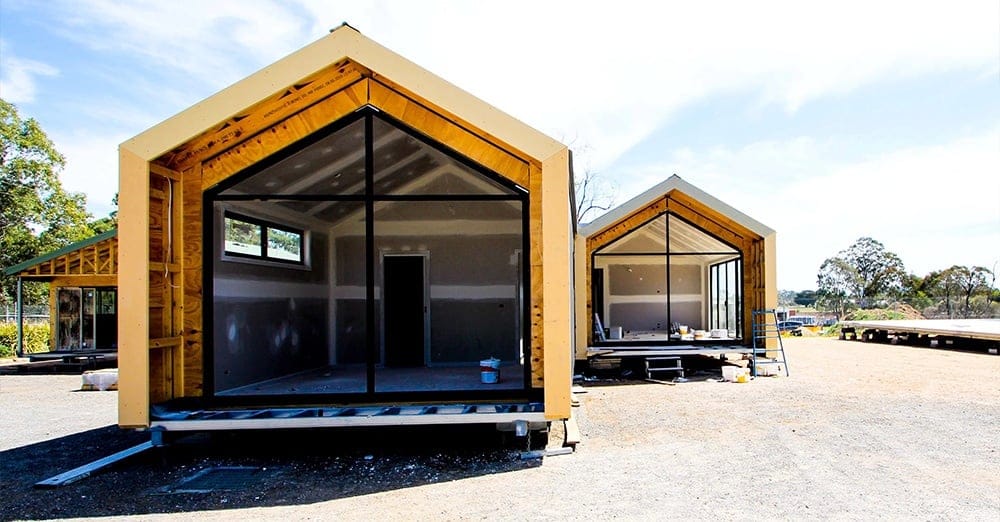
 Anthony Painter
 Anthony Painter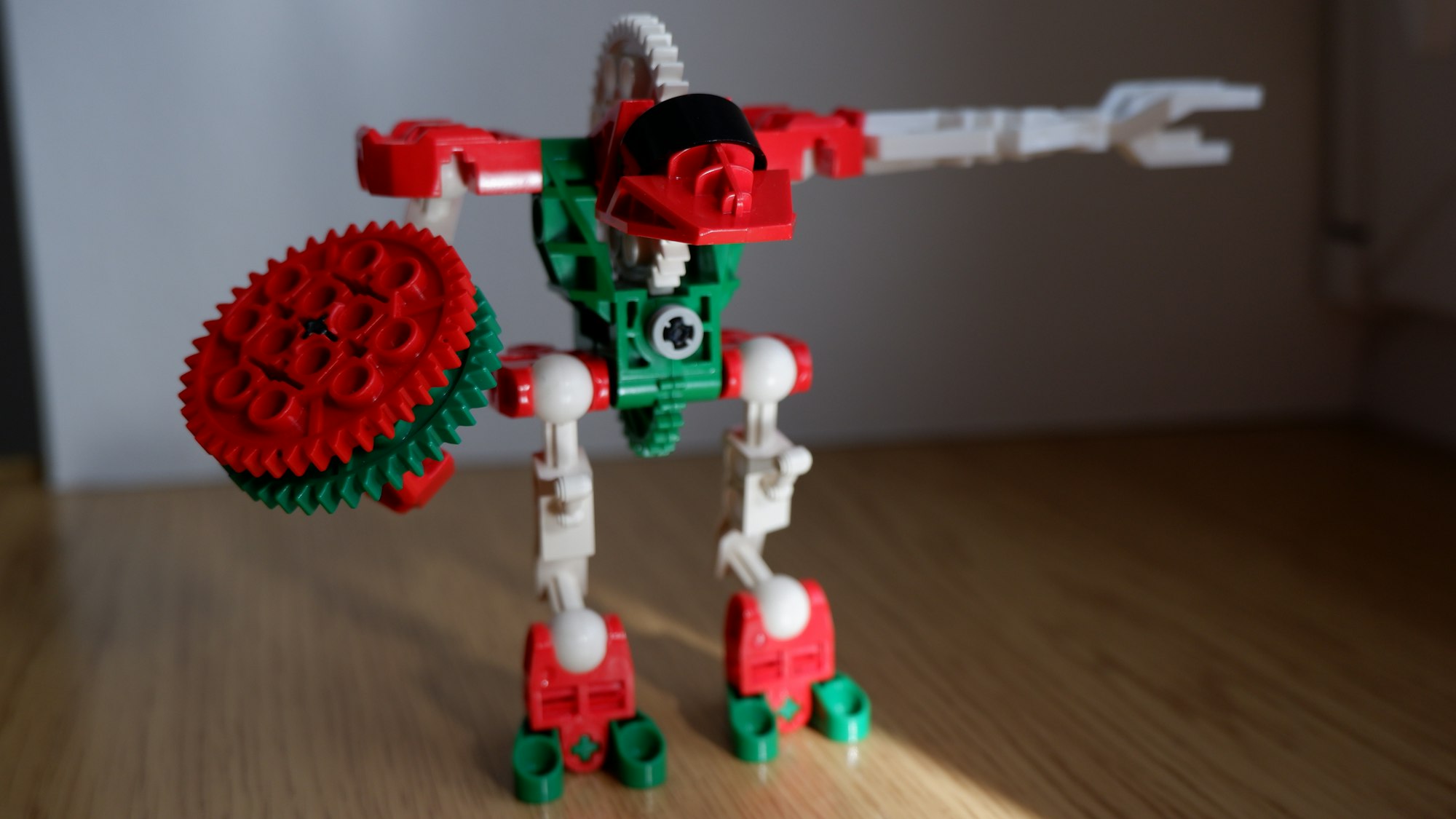
 Anthony Painter
 Anthony Painter
 Anthony Painter
 Anthony Painter