Every new home in Queensland needs a building approval from a building certifier before work starts, plus mandatory inspections along the way. Most homeowners never deal with the certifier directly because the builder handles it, but it helps to know what's going on, especially if something gets held up.
Here's how it works.
Who approves your home?
Building approval in Queensland is mostly done by private building certifiers, licensed by the QBCC. The certifier checks your plans against the National Construction Code, the Queensland Development Code and council planning requirements, then issues the building approval.
Plumbing and drainage approval is separate and goes through your local council.
What plans do you need to lodge?
Most certifiers take plans as PDFs by email or through an online portal. For a new house you'll usually need:
- Site plan, showing the house position, boundary setbacks, levels and drainage.
- Floor plan.
- Elevations and sections, including roof and wall cladding details.
- Window and door details.
- Structural engineering: footings, slab or subfloor, framing, roof, tie-downs and bracing.
- Soil test report.
- Energy efficiency report (NatHERS rating).
A shed or patio needs much less. The certifier will tell you exactly what they need when you lodge.
What's a siting relaxation?
The Queensland Development Code sets minimum distances from boundaries. For most houses that's usually 1.5 metres from side and rear boundaries, though it varies with wall height and lot size, and estate covenants or council rules may differ.
If your design sits closer than allowed, council has to approve it. This is called a siting relaxation or a referral agency response. The certifier or designer usually prepares the application, explaining why the design still meets the intent of the rules: light, ventilation, privacy and the look of the street.
Allow extra time and fees if you need one.
How long does approval take?
A straightforward house with complete documents can be approved in one to two weeks. Siting relaxations or other council referrals usually add several weeks. Missing information, such as engineering or the energy report, is the most common cause of delays.
Inspections during construction
The certifier, or an inspector working for them, must inspect a house at set stages:
- Foundations and excavation, before footings are poured.
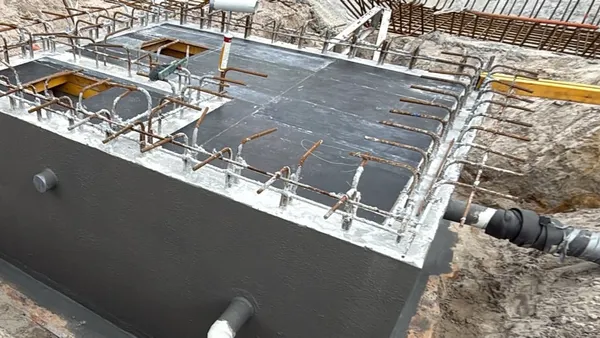
- Slab, with the reinforcement in place before the concrete pour.
- Frame, before the walls are lined.
- Final, when the house is finished.
The engineer may also inspect and certify things like footings and reinforcement. At the end, the certifier issues a Form 21 final inspection certificate for a house. Make sure you get a copy at handover.
These are compliance inspections. They check the house meets the code, not that the paint's straight or the tiles are even. Many homeowners book their own independent inspections at each stage. My stage checklists, from C5 Pre Pour Slab through to C16 Practical Completion, help you check the work yourself. You'll find them at constructor.net.au/checklists.
When does QBCC home warranty insurance apply?
Residential construction work valued at more than $3,300 (including labour, materials and GST) done by a licensed contractor must be covered by the Queensland Home Warranty Scheme. That includes new homes, related roofed buildings such as garages, sheds and carports, and new residential swimming pools.
The contractor collects the premium and pays it to the QBCC. The certifier must see evidence that it's been paid before issuing the building approval.
For a new home, the cover includes:
- Structural defects: for 6 years and 6 months.
- Non-structural defects: if they appear within 6 months of completion and are lodged within 7 months.
- Non-completion, if the builder can't finish the job, for example because of insolvency.
There are limits and conditions, so read the details on the QBCC website (checked October 2026).
When do you need an owner builder permit?
If you want to build or manage the work on your own land yourself, you need an owner builder permit from the QBCC when the value of the work is more than $11,000 (including GST), or $27,500 for farm buildings. The value includes all materials and labour at trade prices, even if your mates are working for free.
Owner builders don't get home warranty cover, and if you sell within six years and six months you'll need to disclose it to buyers. Details are on the QBCC's owner builder permit page.
Further reading
 Understanding QBCC Mediation: Easy Steps to WinThis guide details the mediation process, from filing a complaint to reaching a resolution. Home owners will learn how to prepare their case, document issues, and communicate effectively to achieve a fair outcome.
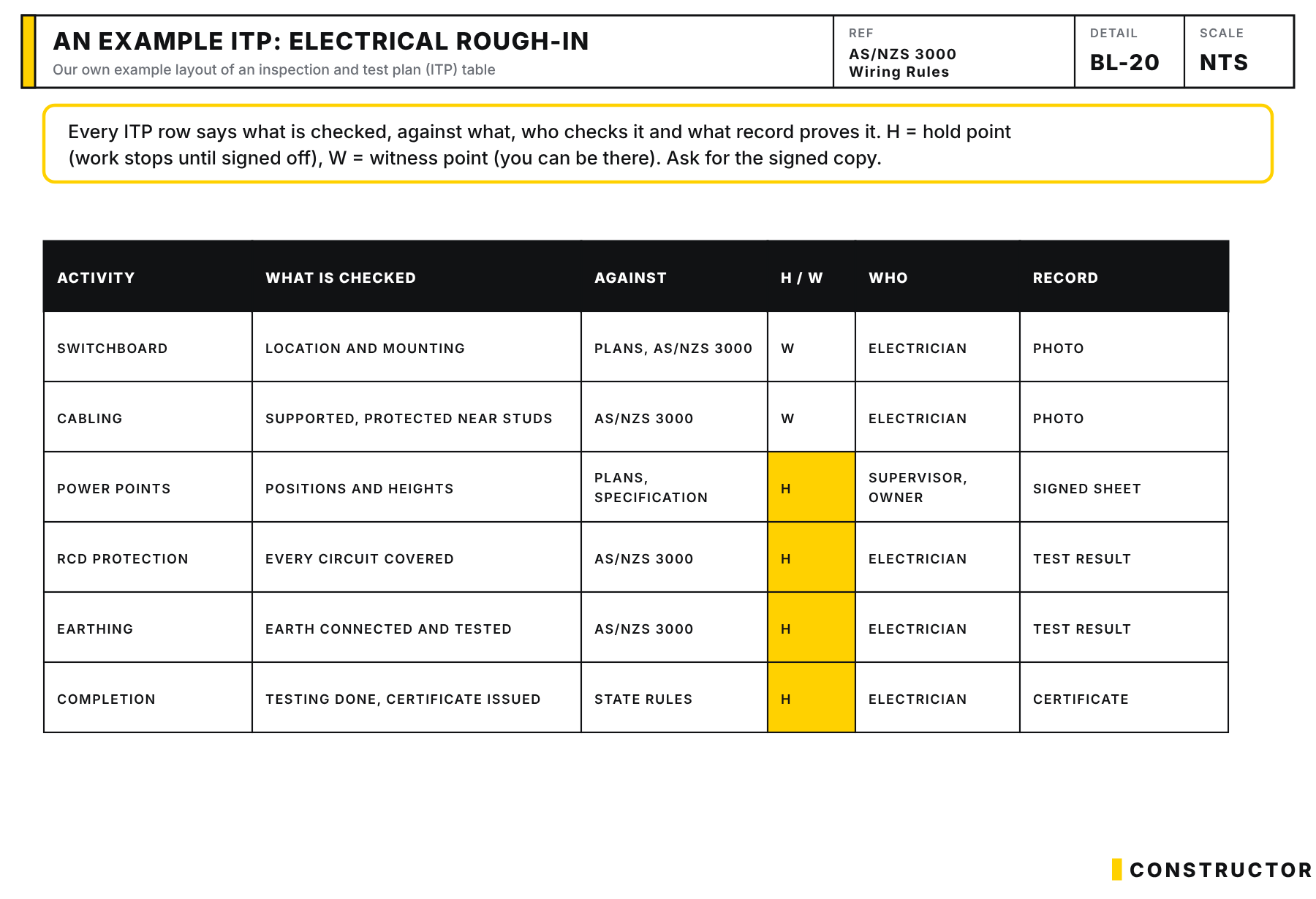 ITPs in Construction: A Guide to Inspection Test PlansUnderstand the role of Inspection Test Plans (ITPs) in construction. This guide explains how ITPs ensure quality, compliance, and efficiency in projects, covering their creation, implementation, and importance in managing construction quality and meeting client and regulatory standards.
 Who Owns the Copyright to Your Plans? Know Before You Build!Curious about the copyright for your dream home’s plans? Discover the importance of knowing the copyright owner before signing a builder’s contract. Learn how to secure design rights for your home, ensuring the freedom to build it again.
 Decode Residential Floor Plans Like a ProConfused by the floor plan symbols? This article deciphers reading residential floor plans, from layout to labels, helping you make informed decisions for your dream home.