

Disclaimer
The reviews in this series, "Builders Specifications and Inclusions Reviews - We ask ChatGPT", are generated using ChatGPT, a language model developed by OpenAI, and are for educational and information purposes only.
The analyses and opinions in these reviews are the AI model's and don't necessarily reflect the views of this website or its affiliates.
AI can process a lot of information, but it can miss context, be out of date, or simply get things wrong. Check multiple sources and get professional advice before making decisions based on these reviews.
Introduction
At Constructor, we want homeowners to have clear information to guide their building decisions. Builder specifications, inclusions lists and marketing materials are hard to make sense of, and many people end up overwhelmed and uncertain.
So we're starting a series where we use ChatGPT to break down and analyse what Australian project builders are offering.
This blog series is not about dissuading anyone from choosing a particular builder but about ensuring that you, as a consumer, are fully informed.
C4 - Asking the Right Questions Checklist
$39.00 AUD
Last updated 28 Oct 2026 · Revision 3 · Free updates for life
Checklist Type: Minor
Form Factor: Fillable, print-ready PDF (A4, 26 pages)
When to use: Choosing a builder (before you pay a deposit or sign)
70 questions and checks for every builder on your shortlist, from the licence search at your desk to a visit to one of their current sites. Compare like for like and choose your builder with confidence before you pay a deposit.
How does this work?
We use ChatGPT to review major builders' marketing materials, standard inclusions, and specifications. You'll receive transparent, easy-to-understand insights across three key areas, along with a final builder rating from 1 (worst) to 10 (best).
Below is the exact ChatGPT prompt we used. You can apply this prompt to any builder's marketing materials to generate clear, helpful insights for your decision-making.
How AI Analysis Of Builders Specifications Serves the Public Interest
The construction industry is filled with technical words and specifications that can be difficult to understand without industry experience. Not everyone can afford a construction lawyer to review contract documentation before signing.
Our posts are intended as general guidance only—they do not replace professional legal advice. We are not qualified lawyers and do not claim to be. Always seek independent legal counsel tailored to your specific situation.
We believe these AI-driven reviews serve the public interest in several ways:
- Enhancing Transparency: By breaking down complex documents into understandable language, our aim is to shed light on the specifics of what builders are offering, allowing you to make comparisons and informed decisions.
- Promoting Accountability: Open evaluations encourage builders to maintain high standards and deliver on their promises, knowing their offerings are open to scrutiny.
- Empowering Consumers: Knowledge is power. Understanding the details of builder specifications lets you ask pointed questions, seek clarification, and negotiate terms that match your expectations and needs.
Why Builder Specifications Matter, And Say A Lot About a Builder
When building a new home, one of the most important documents you’ll encounter is the builder’s specifications and inclusions list. This single document outlines everything from the materials and finishes to the fixtures and services - standard specifications (brands, materials) and allowances (site works, drainage, plumbing, insulation etc) included in your contract.
But here’s the thing: not all specifications are created equal.
A builder’s specifications tell you a lot about their values and priorities. Are they using premium materials that will stand the test of time, or are they cutting corners to keep costs low?
Do they provide clear, detailed descriptions, or do they rely on vague terms that leave room for interpretation? These details matter because they directly impact the quality, durability, and overall value of your home.
Some builders provide detailed, transparent lists, while others might leave out key details or use vague language to suit themselves. This can lead to unexpected costs, compromises in quality, or even disputes down the line.
For example, a “standard inclusion” for one builder might mean premium materials, while for another, it could be the bare minimum.
That’s why it’s important to understand not just what’s included, but how well it’s detailed and specified.
An example of vague language is wording like "reflective foil wrap" to describe a type of pliable membrane. We wrote in detail about this in a previous post which you can find in the further reading sections at the end of this post.
The Language of Specifications: Precision vs. Marketing Fluff
You might be thinking:
“Does it really matter if a builder uses marketing terms instead of technical language in their specifications?”
The short answer? Yes, it matters—a lot. Here’s why:
- Clarity Over Confusion
The National Construction Code (NCC) and Australian Standards (AS) use precise, legally defined terms to ensure consistency and compliance. For example, the NCC specifies exact requirements for fire-resistant materials or energy efficiency ratings. If a builder replaces terms like "NCC-compliant insulation (meets AS/NZS 4859)" with vague marketing phrases like "premium eco-friendly insulation", it leaves room for interpretation. What does "eco-friendly" actually mean? Does it meet the NCC's thermal performance requirements (design R-value)? Without standards language, you risk misunderstandings, and potentially a home that doesn't meet your expectations. - Compliance Isn't Optional
Builders are legally required to meet the NCC and Australian Standards. If specifications use alternative terms or marketing jargon, it becomes harder to verify compliance. For instance, a builder might advertise "heavy-duty structural beams" without referencing AS 1684, the timber framing standard. Without that technical alignment, you have no guarantee the materials will perform as promised. - Transparency Builds Trust
Builders who align their language with regulatory standards signal professionalism and accountability. They’re saying: “We adhere to industry benchmarks, and we’re not hiding behind buzzwords.” Conversely, overly creative language can feel like a smokescreen—a way to obscure lower-quality materials, change-out materials to suit the builder or avoid commitments. - Avoiding Costly Loopholes
Marketing terms like "luxury finishes" or "high-end fixtures" are subjective. Without concrete references to standards (e.g., "AS/NZS 3500.1-compliant plumbing"), you could end up with finishes that look "luxury" to the builder but feel cheap to you. We often assume builders comply with standards anyway, but without detailed specifications there's ambiguity. Clear, standardised language removes it, protecting you from costly upgrades or disputes later.
The Bottom Line
While a touch of marketing language isn’t inherently bad, specifications must anchor key elements to NCC and Australian Standards terminology. This ensures compliance, clarity, and accountability.
Think of it like a recipe: you wouldn’t trust a cake labelled “made with premium ingredients” if it didn’t specify how much flour or what type of chocolate was used. Similarly, a builder’s specifications should tell you exactly what you’re getting—not just what sounds good to get you to sign a contract.
How AI Can Help Clear Up Builders' Offerings
AI's ability to work through large amounts of text makes it a useful tool for reviewing vague or flowery builder marketing documents.
Here’s the high level overview of how we’re instructing (prompting) ChatGPT to review submitted documentation:
- Ensuring Compliance: ChatGPT cross-references builder specifications language against Australian standards like the National Construction Code (NCC) and Australian Standards (AS), flagging any discrepancies or areas of concern.
- Assessing Quality: By analysing materials and construction methods, ChatGPT helps us distinguish between high-quality offerings and potential cost-cutting measures.
- Evaluating Language Clarity: ChatGPT identifies vague or ambiguous terms in specifications, ensuring you know exactly what you’re signing up for.
- Comparing Claims with Reality: ChatGPT looks at publicly available customer reviews, testimonials and other sources to highlight possible gaps between a builder's promises and their actual performance. AI can get these details wrong, so treat them as leads to check, not established facts.
Our AI-Driven Review Process
To keep every review consistent, we use a structured prompt. Here's how it works:
- Document Analysis: We input the builder’s specifications, inclusions lists, and marketing materials into ChatGPT for a detailed breakdown.
- Quality Review: ChatGPT evaluates the materials and methods described, assessing their quality and value.
- Language Review: The AI checks for clarity and precision, comparing the language used to industry standards to spot any red flags.
- Information Gathering: ChatGPT compiles information from customer reviews, testimonials and other public sources for a rounded view of the builder's reputation. This is the step most prone to AI errors, so check anything important yourself.
- Claims vs. Reality: The AI compares the builder’s marketing claims with real-world outcomes, highlighting potential risks or areas where you might need more clarity.
- Builder Rating: Based on the analysis, ChatGPT assigns a rating (1 to 10) considering factors like timeliness, cost accuracy, and quality consistency.
Why This Approach
Using AI to review each builder, instead of writing our own reviews, means the reviews are:
- Free of our opinions: The review content is built solely from ChatGPT's output, with no input from us on the builder. AI isn't free of bias or error, though, so treat the output as a starting point and check it.
- Efficient: AI processes information quickly, so we can cover more builders in more depth.
- Comprehensive: It cross-references multiple sources in one pass.
- A standard method of measurement: The same prompt is applied to every builder, so each review follows the same method.
Transparency in Action: See Exactly The Prompt we use for this review
Transparency is the foundation of trust, so here's the exact ChatGPT prompt we use to analyse builders' specifications.
By showing you the process, we want you to see there’s no hidden agenda or built-in bias in the output.
Want to review builder’s specs yourself?
Use this prompt (or adapt it to your circumstances) with tools like ChatGPT! While we've done the heavy lifting, this gives you a starting point to ask informed questions with the material you've been given to consider.
A Quick Note on “Junk In, Junk Out”
While our prompt is designed to be neutral, AI outputs still depend on the quality of the input data. For example, if a builder’s specifications or uploads are incomplete or misleading, even the best AI analysis will have gaps.
That's why it's important to check the AI's output yourself: spot what it might miss and judge how far its statements hold up. The more information you upload, the more thorough the output should be.
The GPT Prompt
Note: use the most capable ChatGPT model available to you, with web search turned on for the Language Review and Gather steps.
START OF PROMPT
[ChatGPT, I will provide you with various documents related to a specific builder, such as building specifications, schedules of fittings, marketing materials, and any other relevant info. Your role is to examine them meticulously, compare the stated details with Australian regulatory standards (e.g., NCC, AS), and incorporate any factual data from your knowledge base regarding this builder’s reputation or performance. Then, you will respond to a series of prompts designed to investigate the reality of building with this company—the good, the bad, and the ugly—always remaining clear, straightforward, and unbiased.
Key Reminders & Best Practices:
- Maintain Neutrality: Emphasise factual observations. If data is lacking, state that no information is available rather than speculate.
- Reference vs. Opinion: Differentiate verifiable references (e.g., specification quotes, consumer reviews, official sources) from your interpretive opinions.
- Stay On-Topic: Avoid tangents or unnecessary details. Keep the focus on the builder's performance, compliance, and consumer impact.
- No Links, No Headlines: Do not include hyperlinks or use clickbait-style headings.
- Honesty, Not Hostility: "Calling a spade a spade" means being direct without attacking or undermining credibility with unnecessary harshness. Clarity and honesty are the goals.
- Explain your reasoning where possible: Don't embellish. Base every point on fact, an Australian Standard or the National Construction Code (NCC). Concise, clear and cogent reasoning. No waffle.
Please confirm you understand before we proceed.]
(wait for the response)
Now click the "PLUS" button and select the builders documents, then paste the next prompt to continue.
1. Document Upload / Overview (don't paste this into GPT, just adding it here for context)
[Here’s the full building specification, schedule of fittings, and any marketing information for ‘[insert Builder Name].’ Analyse it in detail. Your response should be honest, with no sugarcoating or fluff, and no links or headlines. Please confirm once you have fully absorbed the information.]
(After ChatGPT confirms, proceed.) or, you may have to ask "Have you fully absorbed the information provided to you?"
2. Quality Review (don't paste this into GPT, just adding it here for context)
[First, tell me your thoughts on the overall quality of the building specification and inclusions list. Specifically, address:
- The materials and methods described (are they high-quality or cost-cutting?).
- The value for a prospective purchaser (does this look fair and transparent or potentially inflated?).
- Any notable omissions or red flags.
- Be direct. Avoid bias and don’t sugarcoat. No fluff, no headlines, no links. Just a clear breakdown.]
(After ChatGPT responds, copy and paste this output into your document under the header "Quality Review")
3. Language Review (don't paste this into GPT, just adding it here for context)
Note: Make sure to turn on "Search" before hitting enter on this prompt.
[Now, compare the language used in these specifications to the language typically found in the NCC, Australian Standards, and regulatory codes. Is the text clear and concise or vague and open to interpretation? Point out any terminology that raises concerns about potential loopholes or misunderstandings.]
(After ChatGPT responds, copy and paste this output into your document under the header "Language Review")
*Note: You can always pause on a section and ask questions like "Are there additional wording choices here that need attention? If so, explain their significance."*
4. Gather & Prepare (don't paste this into GPT, just adding it here for context)
Note: Make sure to turn on "Search" before hitting enter on this prompt.
[Next, I want you to gather all the information you have about this builder (from these documents and your broader knowledge base) for a detailed analysis. Do not produce any written output yet—simply confirm once you have organised your internal analysis.]
(This ensures ChatGPT has thoroughly processed the data without prematurely revealing insights. When ChatGPT is ready, move on.)
5. What They Say vs. What They Do (don't paste this into GPT, just adding it here for context)
[Based on the company’s self-presentation (marketing, specification language) versus public or online information (reviews, complaints, testimonials), identify areas where the builder’s claims may not align with what they actually deliver.
- Highlight biggest risks for consumers.
- Pinpoint sections of the specification that could be unclear or prone to issues.
- Explain why these are potential concerns, clearly and without bias. No fluff, no headlines, no links, no hedging. Just call a spade a spade.]
(After ChatGPT responds, copy and paste this output into your document under the header "What they say vs what they do")
6. Rate the Builder (1–10) (don't paste this into GPT, just adding it here for context)
[Finally, rate this builder on a scale of 1 to 10, where 1 is poor and 10 is excellent. The main criteria for your rating:
- Ability to deliver on time
- Ability to deliver to cost (accuracy of estimates, minimal overruns)
- Consistency of high-quality work
- Provide a brief rationale for your rating. Keep it straightforward and fact-based.]
END OF PROMPT
That's It!
We’ve included highlighted sections to help you prepare a structured document before running the prompt. First, create a blank template with these predefined sections.
As you progress through the prompt and generate outputs, paste each result into the corresponding section of your document.
This step-by-step approach allows you to create and refine your review of each builder.
What's Next
Follow along as we review the offerings of major project builders, starting with our first AI-driven review on Metricon.
Your home is one of the biggest investments you’ll ever make, and we’re here to ensure it’s built on a foundation of transparency, quality, and trust.
We want to be upfront about AI's role. It's a powerful tool for analysing data, spotting trends and organising complex information for human review, but as covered above, the output is only as good as what goes in, and most AI models are closed boxes, so you can't always tell how reliable an answer is.
That's why we use AI as a tool, not a replacement for your own judgement.
Further Reading
 Quality Management: A Tale of Craftsmen and ProductionThis article looks into the debate between craftsmanship & production-oriented building in residential construction. It highlights how quality management systems (QMS) can harmonise these approaches, ensuring consistency in quality whether the focus is on rapid production or detailed craftsmanship.
 Project Builders: From Building Companies to MarketersExplore the evolution of project builders from traditional construction companies to marketing-focused entities, offering standardised building products.
 Understanding Customer Awareness in Residential ConstructionNavigating the residential construction process for the first time? This guide breaks down the five crucial stages of customer awareness you’ll encounter. From problem recognition to post-purchase evaluation, arm yourself with the knowledge to make informed decisions.
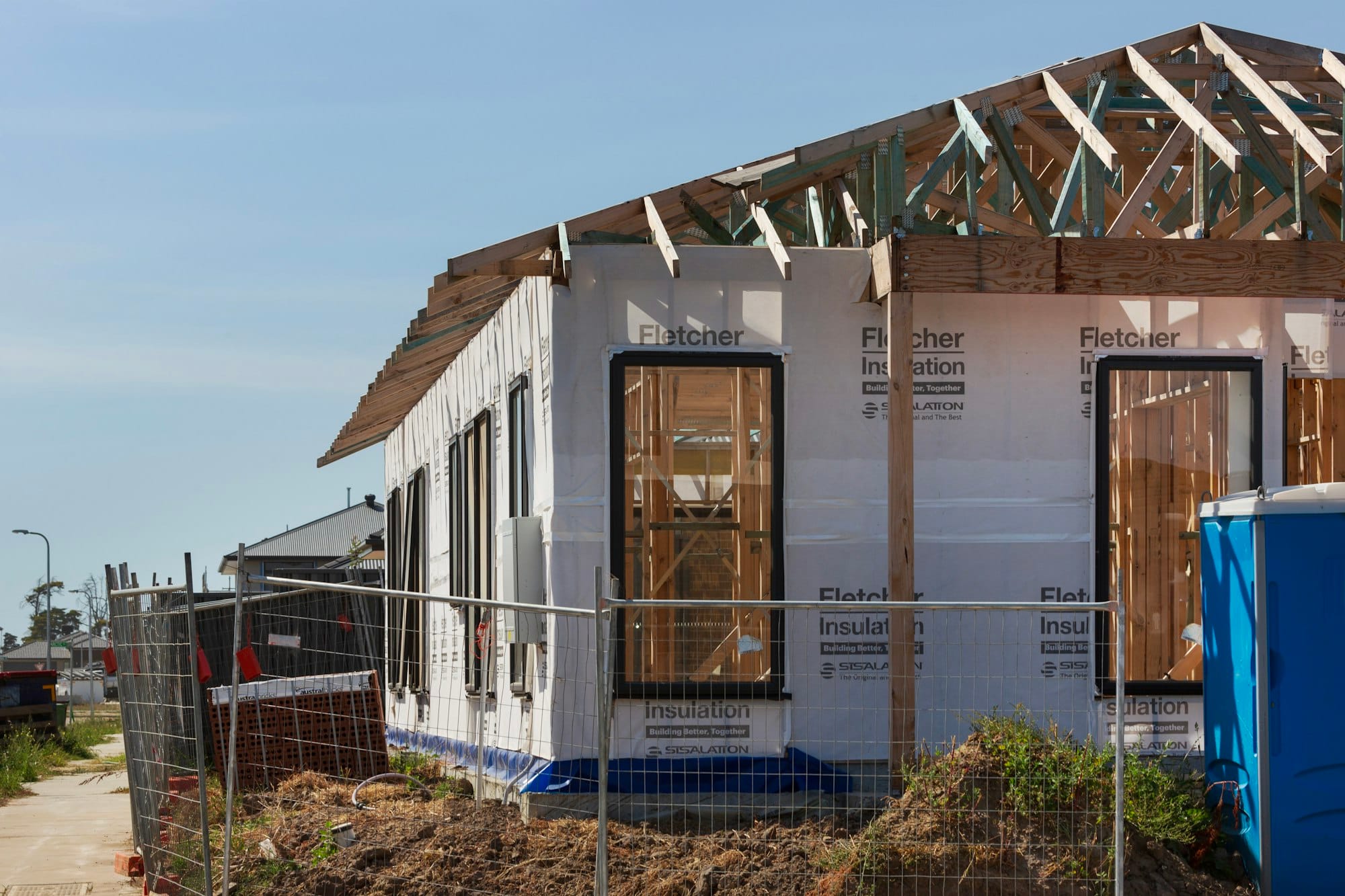 Reflective Wrap Issues in Construction: A Call for ClarityExplore the problematic ambiguity of ‘reflective wrap’ in residential construction. This article highlights how vague terminology allows builders to avoid responsibility, leading to inadequate insulation and waterproofing, and stresses the need for specific, accountable building practices.
 Wall Wrap Installation: Adhering to Australian StandardsLearn the right way to install wall wrap according to Australian Standards. This guide explains the proper sequence for installing windows, doors, and wall wrap, highlighting the importance of correct installation for maintaining the building envelope and enhancing your home’s energy efficiency.
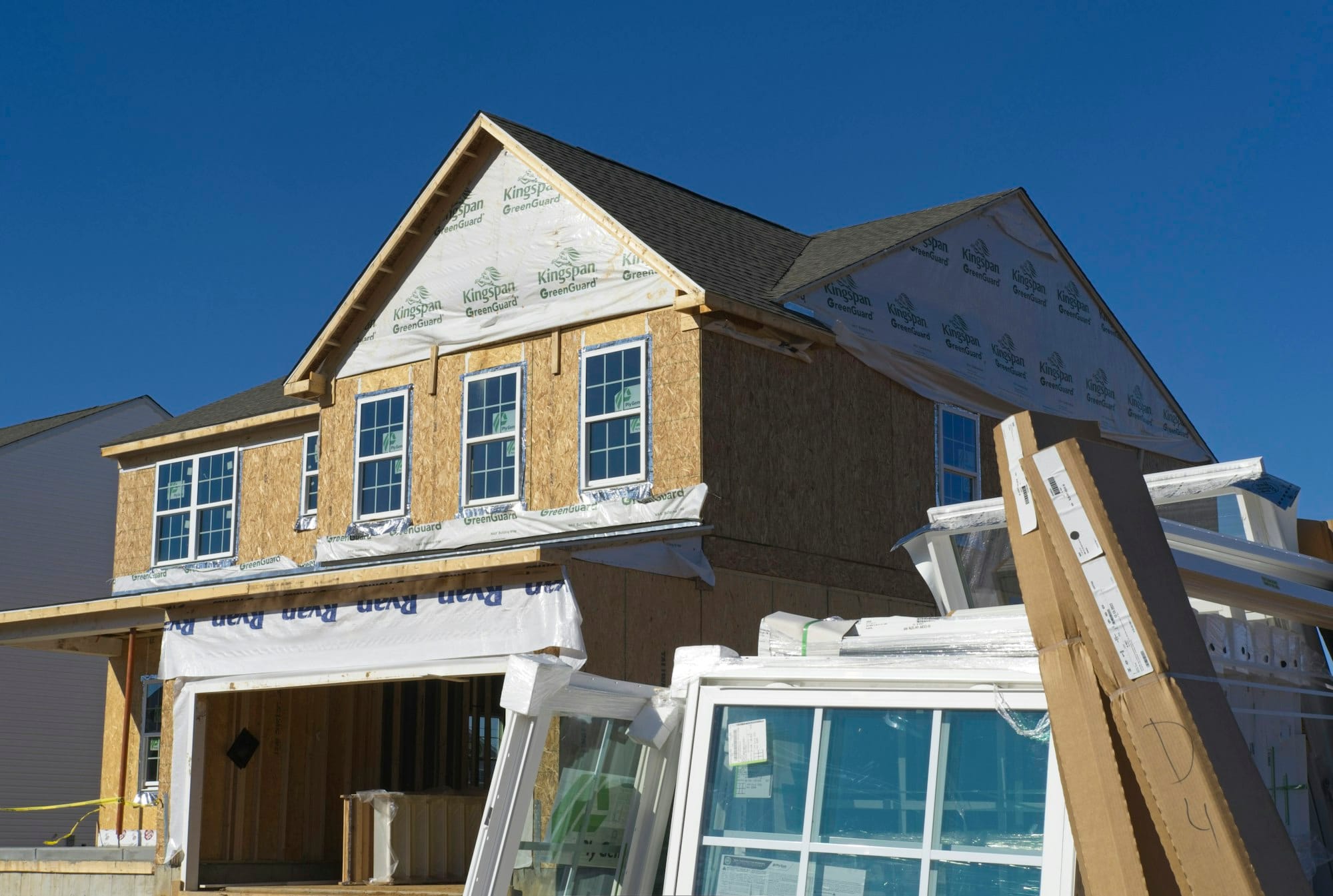 Pro Clima vs Wall Wrap: Airtightness & Moisture ControlNote: this is not sponsored content. We like the Pro Clima system so we wanted to explain to you some of the differences between “reflective wrap” often specified by builders and a proper moisture management system such as the Pro Clima system.


